Driving Miss Sara

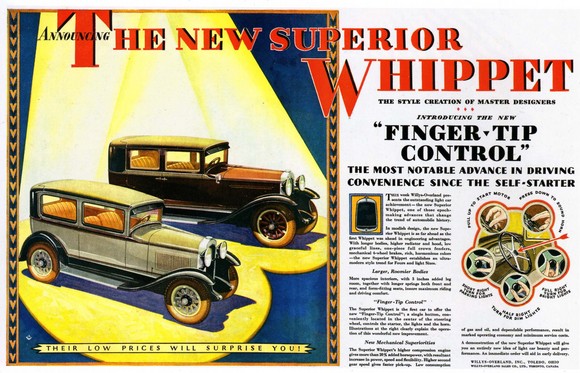
1927 Whippet, not Sara's style.

“Mama drove a little when we first moved to Jackson but soon decided she should not be driving since she had only driven in a small town and knew nothing about city traffic, so she never drove again. Daddy had a black man named Amos Hankins working at the oil mill, and he assigned him to be our driver too. He would take us to town or wherever we needed to go and drove us to and from school every day. He was a jovial person and felt very important that Daddy had assigned him the task of driving for us, so he promptly bought himself a chauffeur’s cap so that everyone would know what his job was.

“Amos loved Son and would throw him up in the air and then down, saying ‘I baptize you in the name of the Father, the Son, and the Holy Ghost. Amen!’ Son would beg him to do it again and again, and we would fall out laughing. One time our car was in the shop, and Daddy borrowed a funny looking little car called a Whippet from Mr. Woodyard, who worked at the mill. We were embarrassed to be seen in it and made Amos let us out before we got to Whitfield School.

“For many years after we moved back to Greenwood Mama would hear from Amos right before Christmas and she would send him money or some Son’s clothes after Son was grown. He had gone blind and for many years sold peanuts at the Jackson State ballgames.

Jackson State College football team, probably 1930s.

One time when they played Mississippi Valley he came by to see us. He died not too many years ago.”

I wish there was just one photograph of Amos Hankins. And a video of this kind black man, throwing chubby blonde Son up in the air, all the while chanting a baptismal rite. No wonder the girls collapsed in gales of laughter. And the chauffeur’s cap? There in the darkest days of the Depression, this fellow had found more than steady employment, he had found a family that trusted and valued his skills, so why not celebrate with a bit of sartorial excess? And that bond endured for decades, even though time and life’s challenges took the Evanses back to the Delta. If we were to record the history of the extended Evans family over many generations, these ties would pop up again and again, from Aunt Brown and Henry Pittman and Amos Hankins to Georgia Edwards, who worked for Sara for so many years on East Adams. After Georgia retired, she would come back to the house just to chat and watch “As the World Turns,” and she never missed one of our family Christmas Eve parties. My father made sure she had a roof over her head and medical care and even got her married, at the very last minute, to her dying common-law companion, James. Mississippi is, and always has been, a complicated corner of the world, but our relationships are based on one simple premise: You always take care of those who’ve taken care of you and the ones you love. And if  you can’t understand that in Seattle or Syracuse, more’s the pity. Amos would never tip his hat to you.

Ed. note: The Whippet was a short-lived (1926-1931) smaller version of the Willys-Overlander automobiles. The one that Sara and her sisters found so humiliating would probably be worth a fortune today.

Posted in Uncategorized | Leave a comment

Babe, Bad Guys and Bootleggers

“This was a period of gangs in the big cities and big time gangsters such as Dillinger, Bonnie and Clyde, Machine Gun Kelly and Al Capone.

John Dillinger

I remember seeing the pictures in a magazine of the famous Valentine’s Day massacre when Al Capone had seven gangsters shot, and hearing the grownups talk about the Leopold-Loeb trial for the thrill murder of fourteen-year-old Bobby Franks. We were living in Jackson when the Lindbergh baby was kidnapped. Most of the crime was taking place in the larger cities, and we were pretty far removed from it.

“During Prohibition alcohol was illegal, but people continued to make it and there was more drinking than ever. We would see men limping around, and Mama would say they had ‘jake leg’ from drinking homemade beer. Then the law was repealed and it became legal in many states but not in Mississippi. Bootleggers flourished, and you could buy it from small stores and service stations all over the state. There was never any shortage of liquor in Mississippi. The bootleggers paid off the sheriffs, making them about the highest paid officials in the state.

“We were not afraid to be out at night or to walk home from somewhere at ten o’clock. Most of the time doors were left unlocked, and we would never have thought of locking one in the daytime. If a salesman came to the door, which they frequently did, you thought nothing of inviting them into the living room. In those days, magazine salesmen knocked on the door almost daily, as did vacuum cleaner salesmen, book salesmen, etc. Drugs were unheard of except for a few derelicts who were known as ‘dope fiends’ because they were addicted to things like paregoric.

“There was a lot of emphasis on sports, with boxing or prize fighting and baseball being the most popular. Heroes like Babe Ruth in baseball and Jack Dempsey and Gene Tunney in boxing were household names.

“The Depression was brought home to us when nearly every week some man would show up at the kitchen door asking for something to eat. All across the country this was happening as men wandered around looking for work. Some of them were not bad looking, but were just down on their luck. Mama would always fix them something and then they would go on their way. It was pathetic. One time Mama got taken in, though, when this woman came to the door with a pitiful tale of not being able to feed the children and begging for some groceries. It turned out her daughter or granddaughter, Pinkie, was in my class, and Mama said she was sure Pinkie would be so embarrassed if she knew. So she went to the cabinet where she kept the canned goods and loaded up a box of food for her. She found out later that the woman had gotten groceries from numerous other people as well as several churches.”

Pinkie is identified in that 1930 class picture from previous posts, but I just can’t bring myself to enlarge her image and put it online. She may still be alive and scarred by the indignities of the Depression and her mother’s desperation. Sara and Jessie may have been a bit harsh in their judgement after discovering the woman’s scheme. With luck on one kind doorstep, and no telling how many hungry children at home, perhaps she just kept going until someone slammed the door in her face, gathering as much food as possible when the future promised no relief. Who could blame her?

Sara never knew riches, but she never seemed to feel that she lacked for anything, either. There was one memorable episode when our East Adams refrigerator went on the blink, and Sara made some comment in front of Cathy about not having the money to buy a new one. Cathy came down to the neighbor’s house where I was playing, crying and saying we were going to be poor. Naturally, I scooted right home and confronted Sara about this developing calamity. By then she had composed herself and shuffled some of those cash envelopes and was headed to J.D. Lanham’s. She reassured me that the Criss clan could handle this bump in the road, and we did. Daddy, who had spent an entire year living off field peas and crows in the mid-’30s, knew that there’s more to life than a new refrigerator or the latest car. I’m grateful for their diligence and their example, and I honestly can’t think of one thing I ever needed growing up that I didn’t have. Maybe we should put a committee of Depression Children, armed with an accordion file and cash envelopes, in charge of the American Treasury.

Posted in Uncategorized | Leave a comment

Birthday Wishes

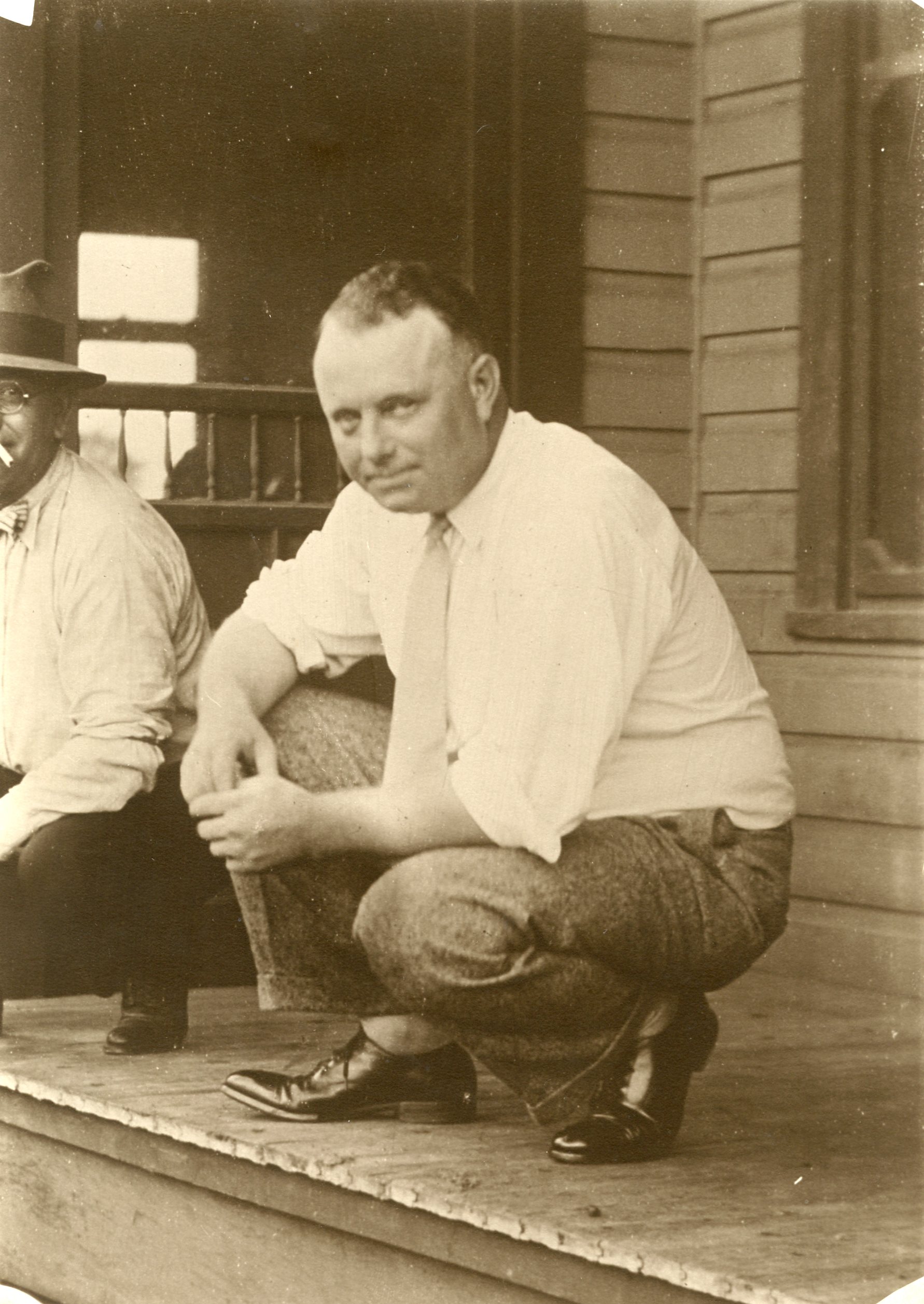
Howard M. Evans, Sr., early 1930s.

Before this day is gone, daughterofthedelta remembers Howard M. Evans, Sr. on his 117th birthday. Tricia and I walked through his Strong Avenue bungalow today, almost ninety years after he built it, and his pride in the place that he provided for his family is still evident. So, Granddad, Happy Birthday from all of us who wish we had known you. And thanks for all you gave us.

Posted in Uncategorized | Leave a comment

It’s a Wonderful Town

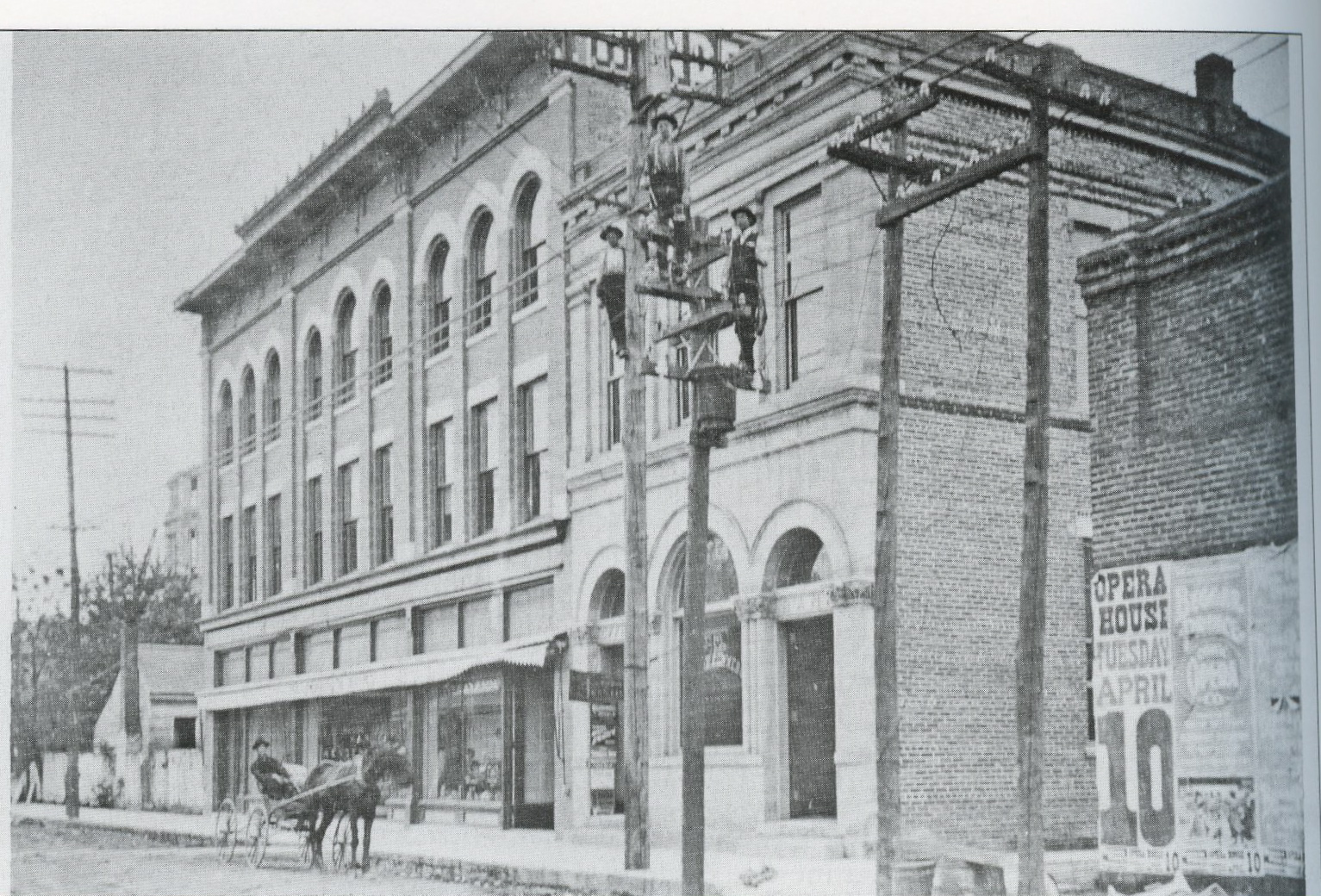
Original Bank of Commerce building, just behind the light pole, Market Street, 1906. Notice unfinished courthouse tower in the background, behind Henderson Baird building. Photo courtesy of Donny Whitehead, aboutgreenwoodms.com.

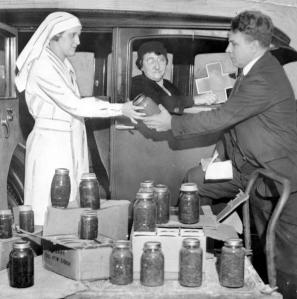
“The Depression had hit the country the year we moved to Jackson, and even though I did not understand what a depression was, I knew that lots people were out of work and were having a hard time because we would hear the grownups talking about it. In December, 1930, Big called one day to tell Mama that five of the banks in Greenwood had closed their doors, all except the Bank of Commerce. This meant that no one could get their money out or write a check. I can remember Mama saying that Big could not pay the woman who worked for her and could not go to buy groceries. Bama had what small funds she possessed in one of the banks which closed and was terribly upset on hearing the news. They finally got some of their money back but never did get all of it.

“We were fortunate that Daddy’s bosses, who lived in Shreveport, Louisiana, were very wealthy, and his salary was never cut. We were not feeling the effects of the Depression like so many people. During the Depression years you would see men and women on the streets selling apples or pencils, and the Salvation Army band would stand on the street corner in Jackson to raise money for the poor. There were bread lines and soup lines for hungry people, and some raided garbage cans.
“The average doctor in 1932 made less than $4000 a year, lawyers around $4000, and Congressmen less than $9000. The average school teacher made $1227 (much less in Mississippi) and a waitress $500. Farm laborers made less than $300 a year. There were a lot of suicides. I remember one prominent Greenwood man was killed when his car stalled on the railroad track, and Mama and Big said everyone felt sure it was a suicide because he was having trouble feeding his family.

“Cars at that time were selling for $600 for a smaller model to $2000 for a larger car. A mink coat was less than $600, and a cloth coat less than $10. Shoes were $2 a pair and a dress less than $5. Cigarettes sold for fifteen cents a pack, a typewriter $30, gasoline 18 cents a gallon, a gas stove $24, a bicycle $10.95, a pound of sirloin steak 29 cents.

Depression-era Christmas ad

“Bread was five cents a loaf and until the late ’20s could only be bought unsliced. I remember when we first got a loaf that was sliced and thought it was wonderful. Eggs were 29 cents a dozen, milk 10 cents a quart, and you could buy a six-room house for $2000. A tour of Europe for sixty days to eleven countries was listed at $495. Most of the magazines were five to fifteen cents a copy and were larger than those we get today. At a restaurant you could get a full meal, including drink and dessert, for fifty cents.”

Sara was in every way a child of the Depression. She may not have felt the impact of deprivation that so many did during those dark years, but she took the economic lessons of that era into adulthood and never let go. The woman never got a new car loan (she always drove one of Daddy’s old company cars or bought used), kept cash in an accordian file in the desk drawer and considered a credit card to be the spawn of the devil. I tried unsuccessfully to interest her in safe, predictable stocks or mutual funds, and she practically ran me out of the house. So every six months or so, we would go through the routine of calling every bank in town, checking on their prevailing CD rates as her old ones matured. She would finagle an extra quarter of a percentage point out of some poor young banker, leaving him scratching his head at whatever deal she’d just swung. She wasn’t a miser, just someone who had seen what bad financial decisions could do to a family. My generation should be forever indebted to hers for fiscal sensibility.

Ed. note: She mentions that Howard Evans’ salary was never cut during the Depression, and that his bosses lived in Shreveport. According to some of his papers which I have, he was actually a part-owner of Delta Oil Mill, along with S. G. Sample and S.J. Harman of that city.

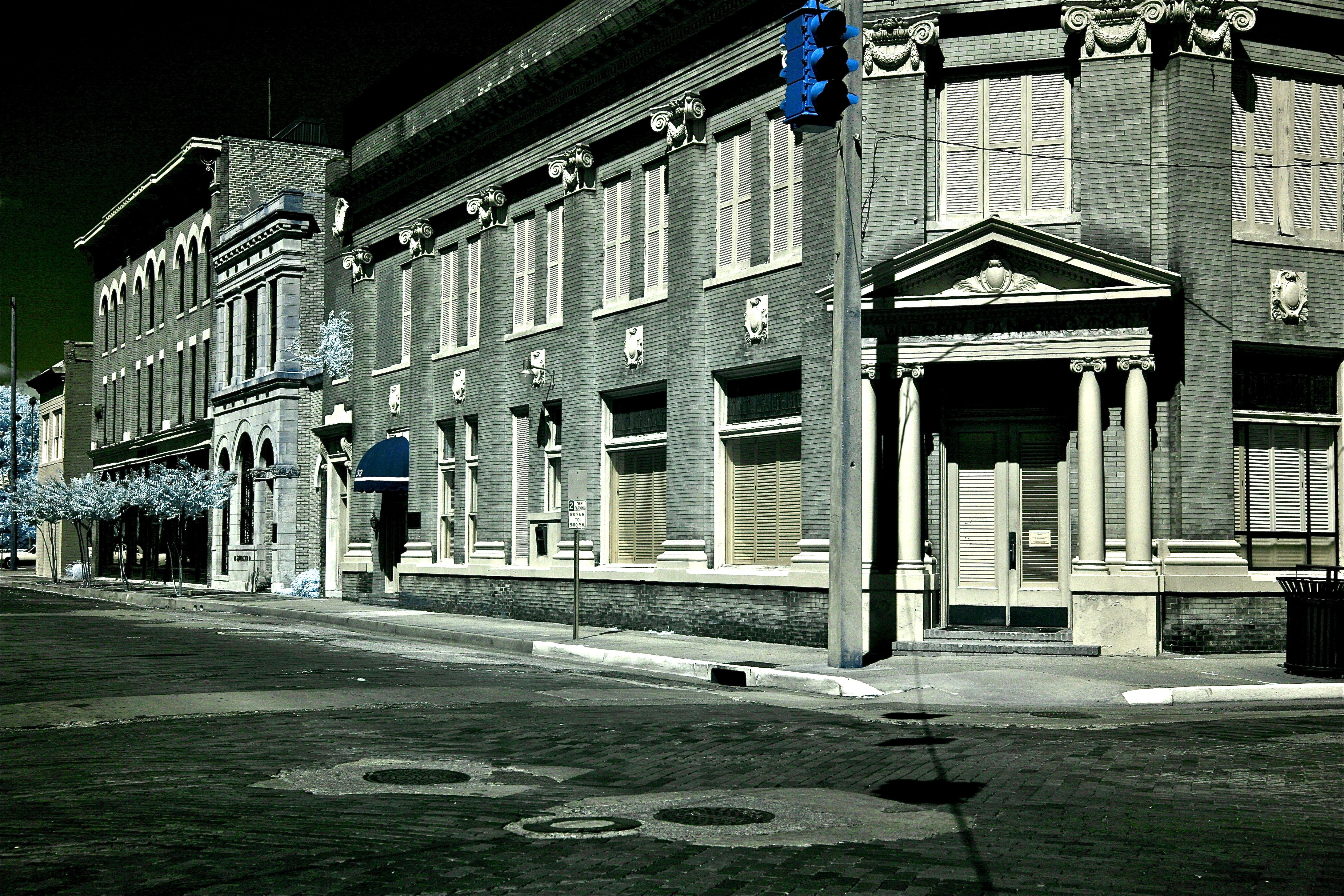
The Bank of Commerce was the only one of six Greenwood banks still in business at the end of the day, December 20, 1930. Dr. T. R. Henderson had founded the bank twenty-six years before, as described in an August, 1904, Greenwood Commonwealth item: “The new bank will begin business next Monday morning in Dr. Henderson’s office on North Howard Street, where temporary quarters have been provided. The new building now under construction [the Market Street building, whose facade still exists at the entrance of Staplcotn] on West Market Street, opposite the Commonwealth office, will be one of the handsomest bank buildings in the state. It will be ready for occupancy in about six weeks.” T. R. Henderson was a community stalwart, husband of Lizzie George and president of the Chamber of Commerce, board member of Greenwood Light and Water Plant and owner of Tallahatchie Compress and Storage. On Saturday morning, December 20, 1930, bank examiners from Jackson locked the doors of the Wilson Banking Company [building most recently occupied by Planters’ Bank, northwest corner of Market and Howard Street] due to the death of founder G.A.Wilson, Sr. This was standard practice after such a death, but it set in motion a citywide panic, exacerbated by the crowds downtown on a pre-Christmas Saturday, and the run on the banks accelerated into a full-scale panic. Customers cleared their accounts out of Greenwood Bank and Trust Company, First National Bank, Greenwood Savings Bank, and Security and Trust Company, leaving their vaults empty and their balance sheets worthless. Only Bank of Commerce survived, as Dr. Henderson piled the contents of the vault on the counter, stepped outside and shouted, “Folks, if you want your money, come and get it.” He also claimed that he had a private plane gassed and waiting at the Greenwood airfield, poised to fly him to Memphis, where he could instantly lay his hands on even more funds to keep the bank functioning. Such was his reputation and standing in the community that his depositors left the money on the counter and Bank of Commerce closed that day with “deposits exceed[ing] withdrawals by 100 percent.” Does this sound like It’s a Wonderful Life? Yes, Virginia, there really was a George Bailey, and he lived in Greenwood, Mississippi. What a town.
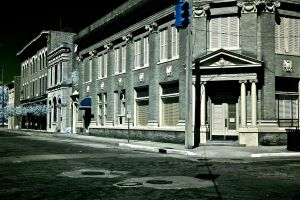
Wilson Banking Company(foreground), Bank of Commerce 1904 facade (background), 2010. Infrared photo courtesy of Mary Rose Carter.
Posted in Uncategorized | 2 Comments

Bats in the Belfry

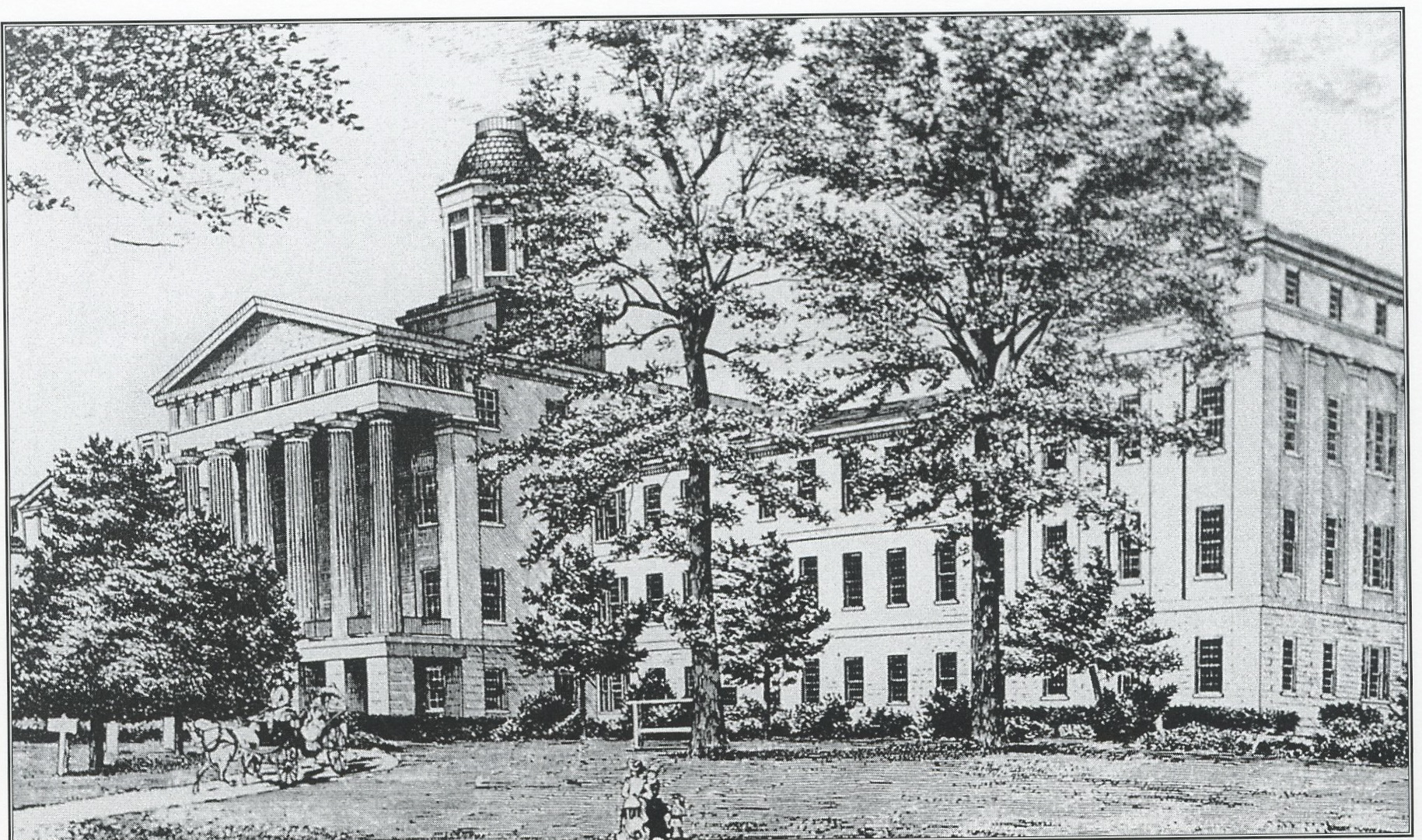
Mississippi State Insane Asylum, 1855-1935, now the site of University Medical Center.

“When we were living in Jackson the State Insane Asylum was on North State Street where University Hospital is today. Bama had a cousin, Willie Brooks (a woman) who had lost her mind and was at the asylum. Mama and Bama would go out to see her, and one time we went with them. Most of the patients were behind bars in this terrible old building, and I was just glad to get out of there. I remember they asked Willie what they gave them to eat, and she said nothing but grits. We would ride past the asylum when we were out riding on Sunday afternoon, and you could see the patients peeping through the window bars. Sometimes one of the men would be out working on the grounds. While we were in Jackson they began building the new facility at Whitfield, one which I am sure was a big improvement over the one on State Street.”

Interesting sidestep that Sara does on this issue of family mental imbalance: Willie Brooks is Bama’s cousin and apparently had escaped any genetic link to the remainder of the family. Bad news: If your grandmother has a relative, you have a relative, and there’s just no dodging that. I wish she had delved more on the story of Poor Willie, but that tale has drifted away forever.

The asylum must have been overwhelming for little girls in 1930. The main building was almost 80 years old then, and it was just the central core of a massive complex that stretched from North State Street all the way to the current sites of St. Dominic’s and the Mississippi Highway Patrol headquarters. For the sake of brevity, I’ll quote myself from Lost Landmarks of Mississippi:  “By the end of the [nineteenth] century, almost twelve hundred patients were crowded into the main building, numerous wings and accessory buildings of the State Insane Asylum. One hundred ten employees scurried about the complex, and a training school for psychiatric nurses was added. [State Historian] Dunbar Rowland describe the impressive campus: ‘This institution is situated on rising ground two miles north of the capitol, the building crowning a slope of beautiful lawn several acres in extent. The main building consists of an imposing center, four stories in height with handsome facade of columns. On each side are wings, three stories high, connected by smaller four story divisions, two on one side and three on the other. Behind the main building are the annexes for colored patients, two for male and two for female patients. These buildings are of plain, architectural design, but very comfortable and substantial.’ An insurance map of the era shows a huge circular pond, burial grounds, coal sheds, bake shops, print shops, carriage houses, and a variety of other outbuildings scattered around the campus.”

A few years before the Evanses made their Sunday drives through the asylum grounds, money had been appropriated for a new complex in Rankin County, to be named, as was Sara’s school, for Governor Henry Whitfield. Patients would not be moved until the mid-1930s, leaving the massive complex on North State Street eerily empty. I had a friend in Tupelo who was a Millsaps College student during the ’40s, and he told of excursions through the dark halls and into the tunnels that connected the various buildings of the asylum. Those tunnels were blamed for all sorts of structural challenges evident in the UMC hospital where I trained in the 1970s. Doors wouldn’t shut properly and there were very strange slopes along basement hallways. And, of course, we believed every creepy story which longtime employees told of specters roaming the grounds of the former lunatic asylum. It made for entertaining diversion from the grind of medical school.

One has to hope that life was better for Cousin Willie and her fellow patients after the move to Whitfield. I did a Psychiatry rotation there in 1980, and one of the patients I saw was a quite elderly woman known only by her first name. A staff doctor told me that she was one of just a handful of residents who had made the move from North State Street still living, and her records had been left behind or lost in the transfer. No one knew where she was from, who her family was or what her original diagnosis had been, only that she must have been a teenager when she was committed. I always found that indescribably sad.

Posted in Uncategorized | Leave a comment

Remembering Cecil

The back of this photo reads (in Sara's handwriting): "Cecil Inman, Jackson, my childhood sweetheart."

“Other [boys I liked] were Malcolm Lowe, John Mason and my favorite, Cecil Inman. I was in the fifth grade in Mrs. Newman’s class when Cecil transferred from Barr School to Whitfield, and I think we both liked each other from the time he joined our class, although I did have some competition from Marjorie Wilson. He lived in the country but really just down the road from us. He was cute, spoiled, and full of devilment. He had a pony and rode it down to our house. One day Tiny decided she wanted to ride it and she really didn’t know how and kept kicking it and shouting ‘Whoa’ while it took off as fast as it could to Cecil’s house and did not stop until it landed in the shed. Cecil sent me Valentine candy and invited me to parties at his house.

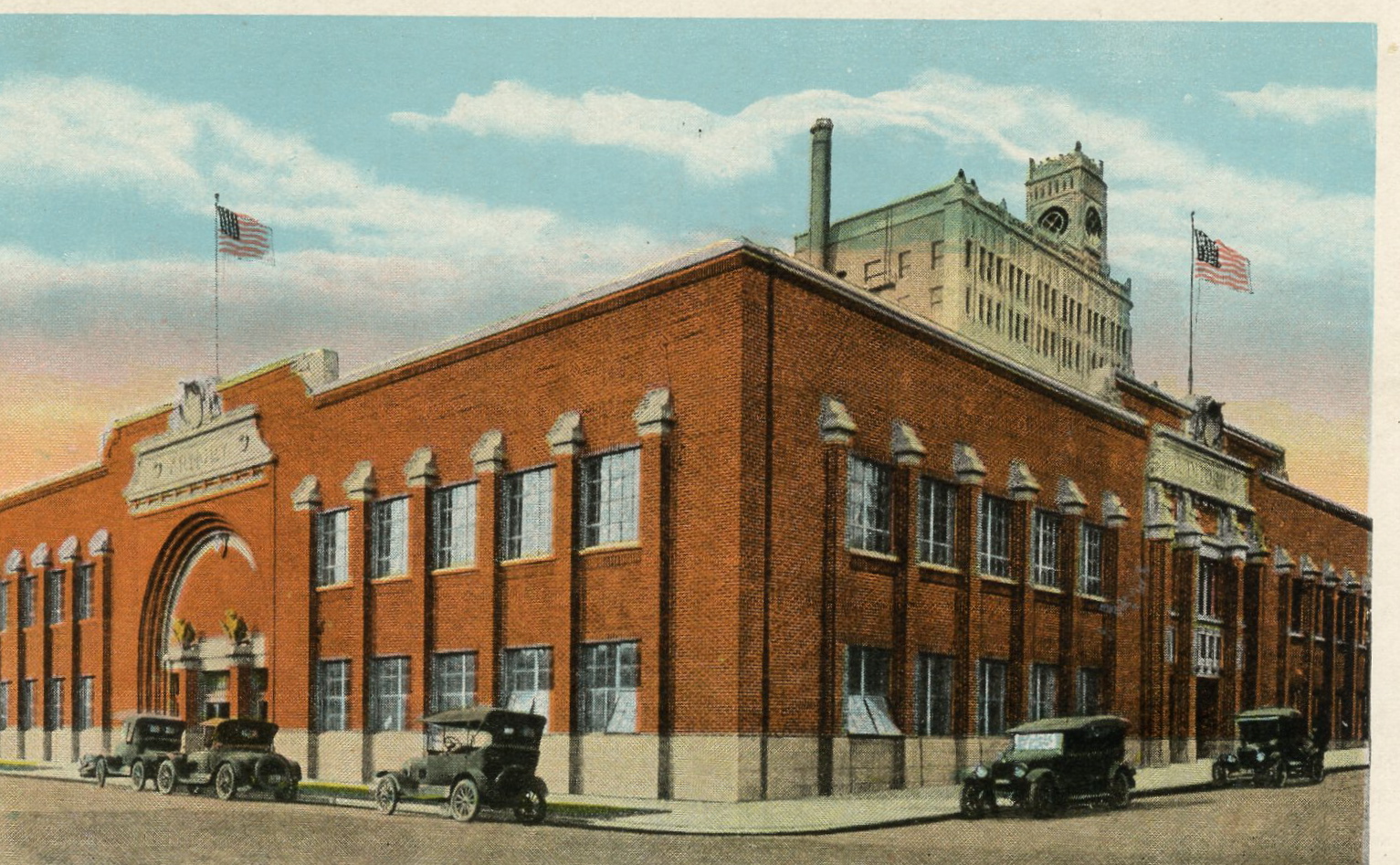
“One time there was a citywide school production of Hansel and Gretel at the downtown municipal auditorium. They had come around and listened to us sing and chosen those with the better voices to participate. That was when I realized I could not carry a tune. That feeling was reinforced the next year when we were going to one of the churches to sing and the music teacher told me that I was an alto, and Daddy asked, ‘Honey, how could they tell?’ Those of us who were not chosen for our singing ability were taken by streetcar to the auditorium to view the performance. Cecil sat by me and put his arm around me. I was secretly thrilled but then was scared to death that the teacher might have seen him and would tell Mama, and I would be in trouble. I didn’t sleep very well that night for worrying.

Old Municipal Auditorium, downtown Jackson, where Sara never sang.

“Cecil was always stirring up something, and more than once he got me punished for talking in school, one time for telling him to hush when he called me ‘Little Miss Know It All.’ His cousin was the first grade teacher, and she was keeping the office when we were both sent down there during the lunch hour as punishment for talking in school. Cecil broke up my friendship with Marjorie Wilson after she wrote him a note using an ugly word, one which I had no idea of its meaning. I did not know whether to tell Mama and Daddy or not since Marjorie was my best friend. I was not too good at keeping secrets so finally told Mama. When she got Daddy into the act and they both seem horrified that a nice little girl would do something like that, I was told not to play with Marjorie any more. Of course, she probably didn’t know what it meant either. Anyway, Cecil told me that we were going to have a trial for her during recess and that I would be the witness. Dumb little me, I stood up on the playground and read the note. None of the other girls knew what it was all about either, but the boys all snickered and told me I should not have read it. When Cecil later became a lawyer I realized that he had started early in training for the profession.

“Years later when I would visit in Jackson I would always have a date with Cecil. He turned out to be just as bad a big boy as he was at ten and was always getting in trouble when he was at Ole Miss, getting expelled one time for climbing in the girls’ dormitory. He drank too much, his marriage ended in divorce, and he died a few years ago in a hospital for alcoholics. But I will always have a warm spot in my heart for the bad little boy I loved when I was only ten.”

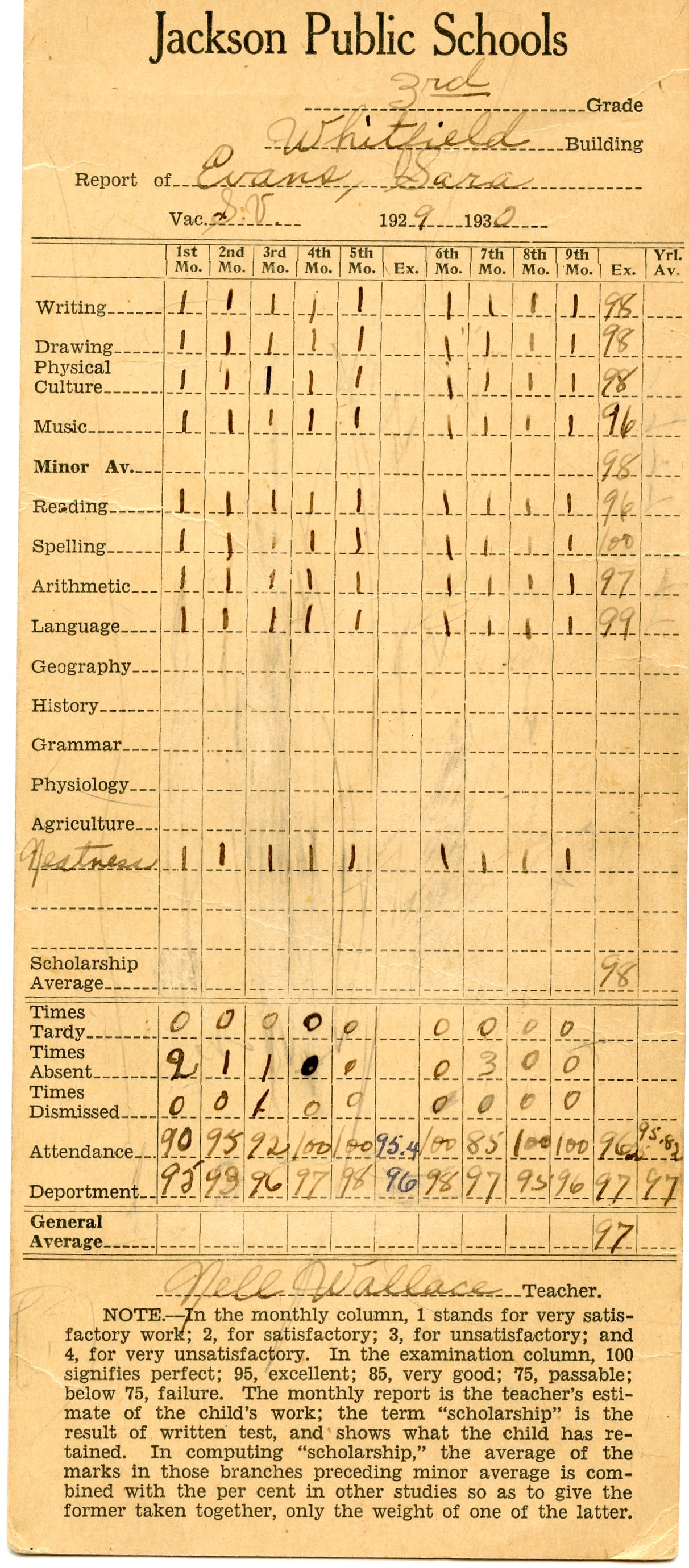
Sara's 3rd grade report card, Whitfield School, 1929-30.

I have, I believe, every report card that Sara ever received, both in Greenwood and Jackson, except for 5th grade. And therein there must be a story, and I strongly suspect that the infamous Cecil Inman plays a part. This memorable scamp was just the first of a long line of Sara’s fellows, who will populate the pages of this blog in days to come. If her recollections and the stories she told us growing up are to be believed, she was a classic “Judy Garland-style” girlfriend, just tons of fun in a best-buddy sort of way, a good listener who knew how to have a great time but who also knew where to draw the line. Obviously, she kept up with Cecil throughout his life and I’m sure there were phone calls where she listened patiently to his tales of self-inflicted woe and tried to set him straight.

But some friends simply can’t be set straight, and it sounds as if Cecil barreled through life with abandon. Census records show him to have been the only child of Cecil and Annie Inman and a Lieutenant JG in the Navy, enlisting in December, 1943, likely just after graduation from Ole Miss Law School. His death in November, 1982, is listed at a Biloxi address, which I suspect was the VA down there, and he is buried in Biloxi National Cemetery. Another trip that I’ll have to make one of these days, perhaps on the same trek where I’ll visit the old Whitfield School site and remember that recess where an aspiring young lawyer duped his star witness, Sara Evans, into an embarrassing moment. I’ll never solve the mystery of the missing report card, but something tells me the deportment marks were such that either Jessie or Sara let that card disappear.

Ed. note: The old Jackson Municipal Auditorium stood on the northwest corner of Pearl and Congress streets from 1923 to 1968. It had open rafters notoriously dreadful acoustics, lumpy seats and served as an armory as well. Perhaps Sara’s off-key alto wouldn’t have sounded so bad there if they’d just given her a chance.

Posted in Uncategorized | Leave a comment

More Whitfield Days

Same photo of 1930 Whitifield 4th grade, but I found Sara's ID notes. "Alfalfa" is Malcolm Lowe; Marjorie Wilson is front row, second from right; Jack Baliff is on the far left, 4th row. Leota Taylor is first row, fourth from right.

“There was a porch across the front of Whitfield School where we played when the weather was bad and when we were waiting for the school bell to ring n the morning. We were always there early because Mama believed in being early for everything. At school, Sunday School, birthday parties. We were the first to get there and the first to leave.

“I had a lot of friends at Whitfield, and we visited each other a lot since all of us lived fairly close by. My best friend was a girl named Marjorie Wilson. Another was Leota Taylor, whom I visited many times in later years.

Leota Taylor, someone identified as "J.M." and Sara, clowning around ten years or so after their Whitfield days.

Others were Ella Dee Lamb, Ethel Powell, Katherine Swanner, and some whose names I do not remember.

“Each year I picked out a boy friend. One was Jack Baliff, who lived six months of the year in West Virginia and six months in Mississippi. He wore argyle sweater with matching socks and knickers and was so cute. His mother was very talented and was always bringing little favors and cookies to school for us. One time she had made all the girls little dolls with a cupcake for their skirts and beautifully decorated. I used this idea for one of Cathy’s birthday parties. I think Mrs. Baliff was my inspiration for many of the cakes and party favors which I later attempted.

“I lost track of Jack Baliff in later years, but then somewhere along the line he showed up again, and we dated a few times and corresponded when he was at the University of West Virginia. He joined the Royal Air Force during World War II and was killed.”

Jack Baliff, standing in the rear, age 9. His face just doesn't want to come into focus.

Those 2 1/2 years at Whitfield School come across as some of the happiest of Sara’s life. I think she always felt a bit lost and overwhelmed by Davis School in Greenwood, which is understandable when you look at the pictures of that monstrous (but endearing) building. Whitfield was like a tiny gem, with only 6 classrooms and a warm, welcoming visage. Where Davis had a soaring three-story tower that just begged for stories of recalcitrant children locked in the attic, Whitfield sported a friendly domed bell tower and a breezy front porch, perfect for hopskotch and jumprope. And the bathrooms, I assume, were logically placed between classrooms, as opposed to Davis’ notorious basement facilities, which endangered Sara’s renal health for years. In the class photos, she looks confident and sure of herself, a good student and good friend with the whole world of Jackson, Mississippi, on her plate.

Ed. note: I never met any of these Whitfield friends except Leota Taylor Williams, who remained close to Sara until her death. Leota’s son, Bill Williams of Raymond, was a good friend of mine at Mississippi College, and I would often see Leota visiting with him on campus. She was kind and thoughtful and a welcome reminder of my mother during those early homesick days at MC.

“]

Leota Taylor Williams

Posted in Uncategorized | Leave a comment

Whitfield Days

Whitfield School 4th grade, 1930-1931. Sara is on the second row, fourth from right. Notice the "Alfalfa" lookalike on the front row, third from left, and the patterned knee socks and knickers the boys wore.

“We were enrolled that September [1929] in Whitfield School, which was not too far from where we lived. It was a small school of Spanish architectural design and not nearly so forbidding as Davis School. I was in the third grade, Mary in the fifth and Tiny in the sixth. My teacher was a Miss Wallace. She was young and pretty, and I liked her as well as my classmates. There was only one class for each grade so you knew everybody.

Whitfield School's entry in a Jackson parade, year unknown

“Our playground was a wooded area in back of the school. This was quite a change from the playground at Davis School, and as I recall there was no playground equipment. We took our lunch to school because the cafeteria only served things like ice cream and jello and boxes of cookies. We would take fifteen cents for our dessert. I liked that until the teacher told Mama that I was only eating desserts for my lunch. Then I had to eat fruit instead of something sweet when I got home.

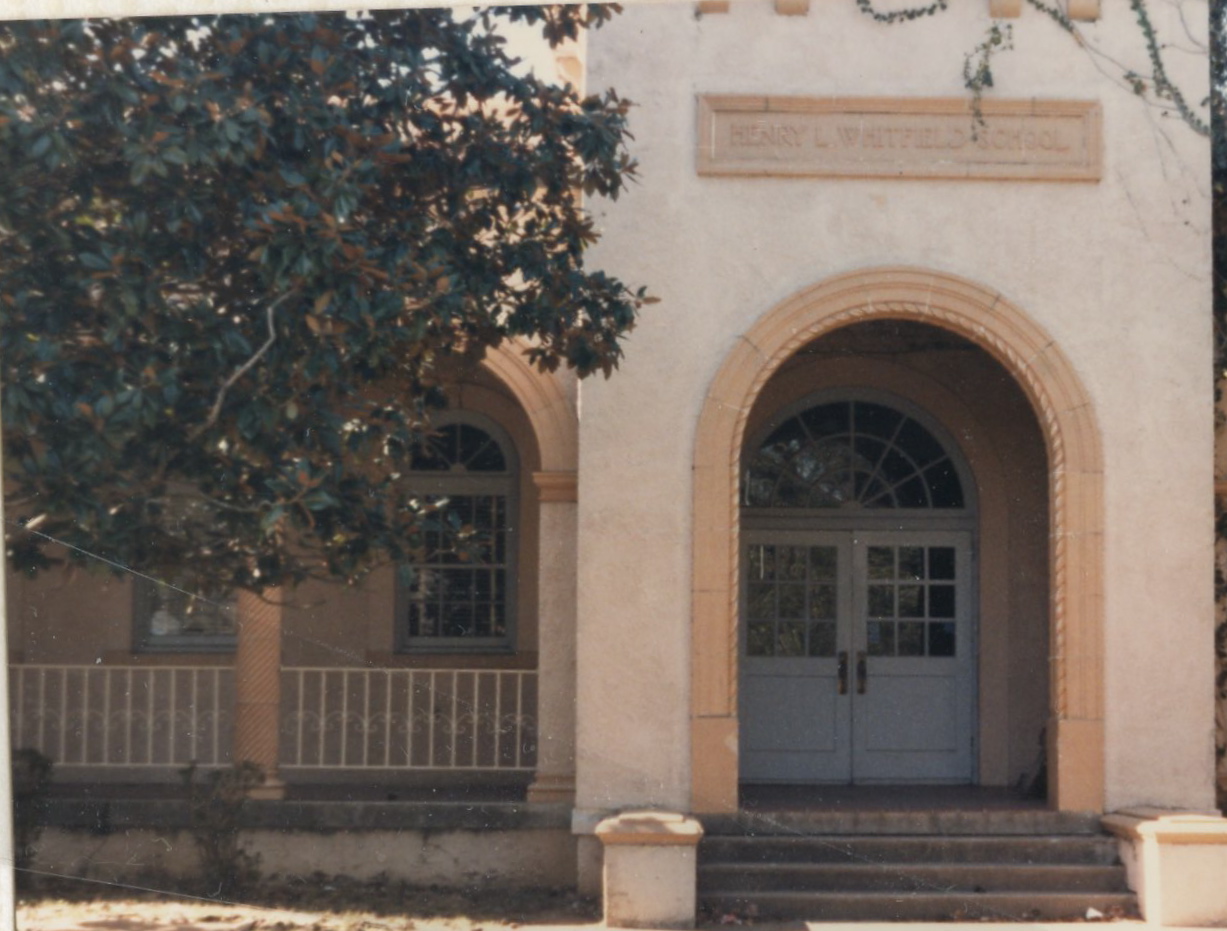
Whitifield School, front entrance, 1980s

“The school building did not have an auditorium so we had assembly in the big center hall, sitting on the floor because there were no chairs. One time when I was in the sixth grade we had to stand up so long singing that I got weak and fainted, pulling a frail girl named Florence Patrick over on top of me.

Poor "frail" Florence Patrick, who learned not to stand next to Sara.

It

caused a great commotion, and the principal, Miss Trussell, called Mama. Daddy came over and picked me up and took me home to recuperate. The doctor was called to come to the house, but he could find nothing wrong with me. It was later decided that I just could not stand for a long time in one position without getting dizzy, a problem that stayed with me.”

Whitfield School tower, the only portion of the building saved when it was demolished. The children in the picture above were posed under this same archway.

My children always found it hilarious that their grandmother went to Whitfield School, as if that denoted some element of insanity in Sara’s past. The name “Whitfield” has for so long symbolized the State Insane Asylum that it’s difficult to peel the moniker away from that Rankin County hospital. The unique little school on Jackson’s Claiborne Avneue, just across Robinson Road from the Evans’ rental house, was built in 1927 and named in honor Governor Henry Whitfield, who served from 1924 to 1927. He had also been state Superintendent of Education and president of MSCW for sixteen years. Several years after Sara’s days at Whitfield ended, the old Lunatic Asylum on North State Street was abandoned and a sprawling “modern” complex constructed between Brandon and Jackson. It, too, was named for Governor Whitfield, and it has come to symbolize the mentally ill in Mississippi. But to my silly children, anyone who went to Whitfield School must have been crazy, and it only confirmed their suspicions that their fun-loving and often wacky grandmother had been “put away” at an early age.

Sara didn’t let the snickers of two johnny-come-lately children bother her one bit. She was intensely proud of all her schools and cherished the friendships and the teachers that she had known in those long-ago days. Had I taken time to sit down with her and look at that picture on the top of this post, she could have named almost every child and related the life history of many of them. She simply never let anyone go, no matter the years or the distance. And I always braced myself when she began to tell me about one young boy or another, some who she only knew for a few years and others who she dated later. She would tell with great delight of their mischievousness and liveliness and then there would be a pause, a sigh, and I knew what was coming. “His plane disappeared over the English Channel.” Or “He died in a POW camp in France.” Or “The last anyone saw of him was during the Bataan Death March.” Then she would just stare at the picture, at those scrubbed young faces and carefully knotted ties and patterned knee socks, and I knew better than to interrupt. My generation barely escaped war, while hers was decimated by it. I simply don’t know how you can look at an old picture of all your schoolmates and deal with the lost lives and dashed dreams hidden there. I suppose those of Sara’s time just learned to deal with it, as they dealt with so many tough blows.

She and I took these color pictures of Whitfield School after it had been condemned and before the wrecking crews came. As I remember, it was a very warm day, but we got out of the car and walked all around the wonderful gem of a school, looking for all the world like a California mission from the 1700s. I’m glad I took her there, and I’ve often wondered if the school district did indeed incorporate the old bell tower into the new building. One of these days I’ll venture out to West Jackson and take a look.

Posted in Uncategorized | Leave a comment

Mummies and Midways

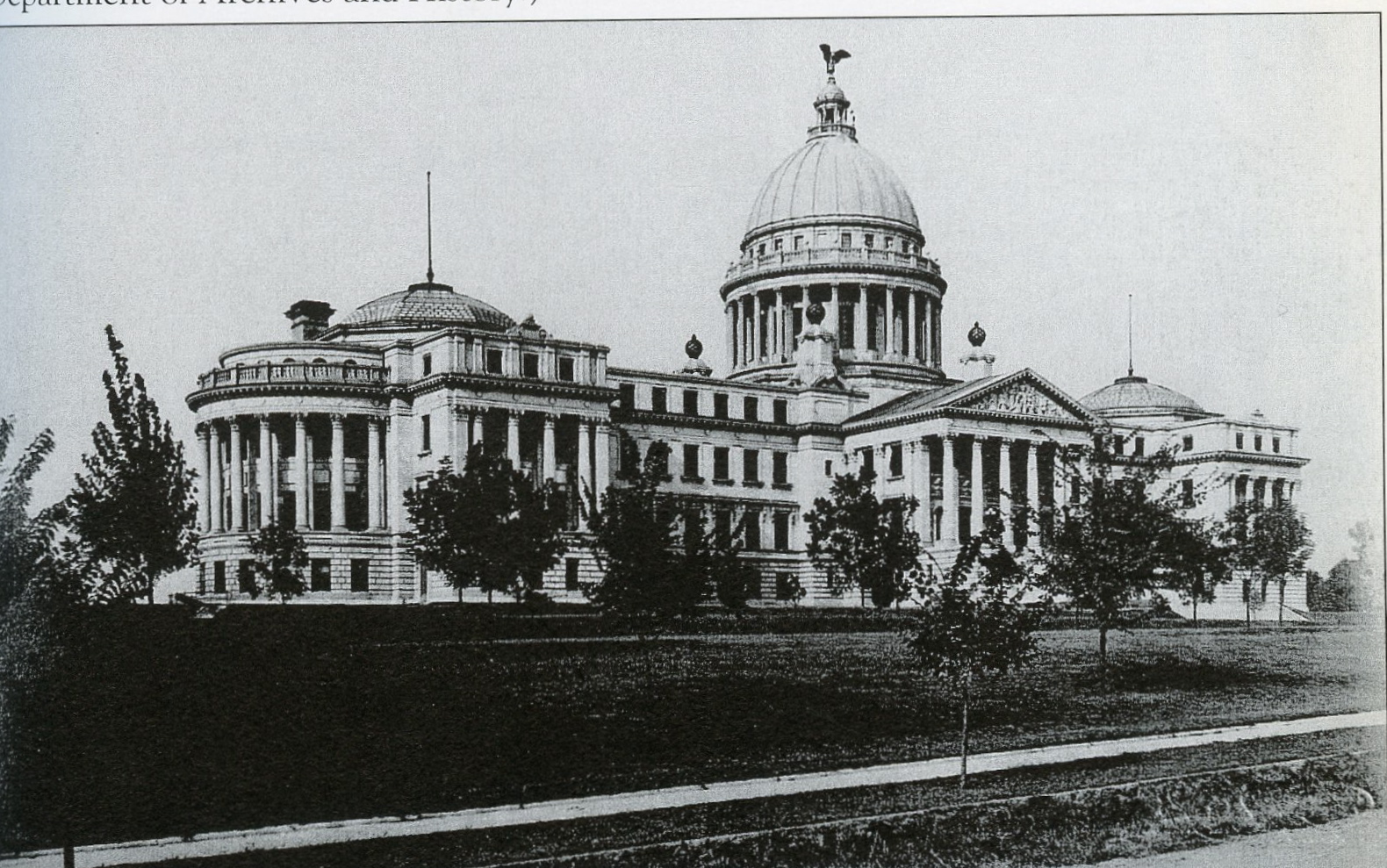
Mississippi's New Capitol, home of the mummy and other scary things, like the Senate.

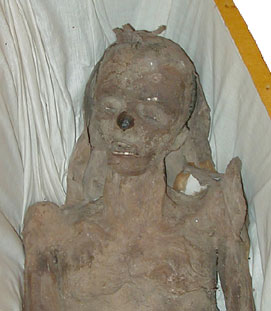
“We went to the museum in the New Capitol Building and were most impressed by the Egyptian mummy which many years later was found to be a hoax and made up of wires and other things. I’m glad we didn’t know that then though because she was good for a lot of stories we had to write in school.

The New Capitol Mummy

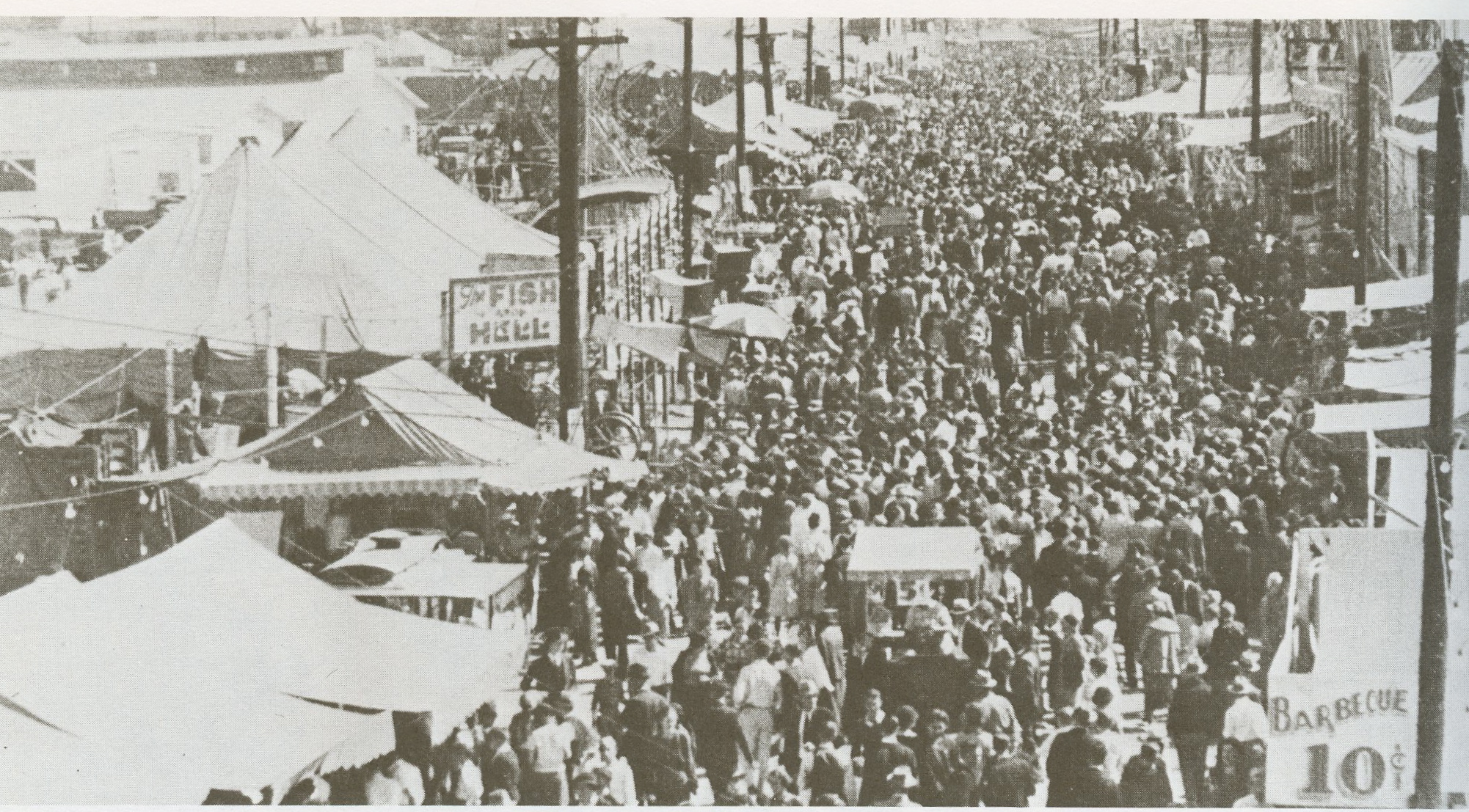
“Every year we attended the State Fair back of the Old Capitol and enjoyed the exhibits and the rides. Daddy would go with us on the rides, and the one I remember the most was the caterpillar which had a big green cover which came down over you while you were riding. I would not have dared go on it without Daddy.

Crowds at the State Fair in the late '20s or early '30s. Sara may be on the loose in this crowd with her taffy.

“They had taffy you could buy which I always wanted to buy as soon as we got there. It would almost pull your teeth out, but I loved it.”

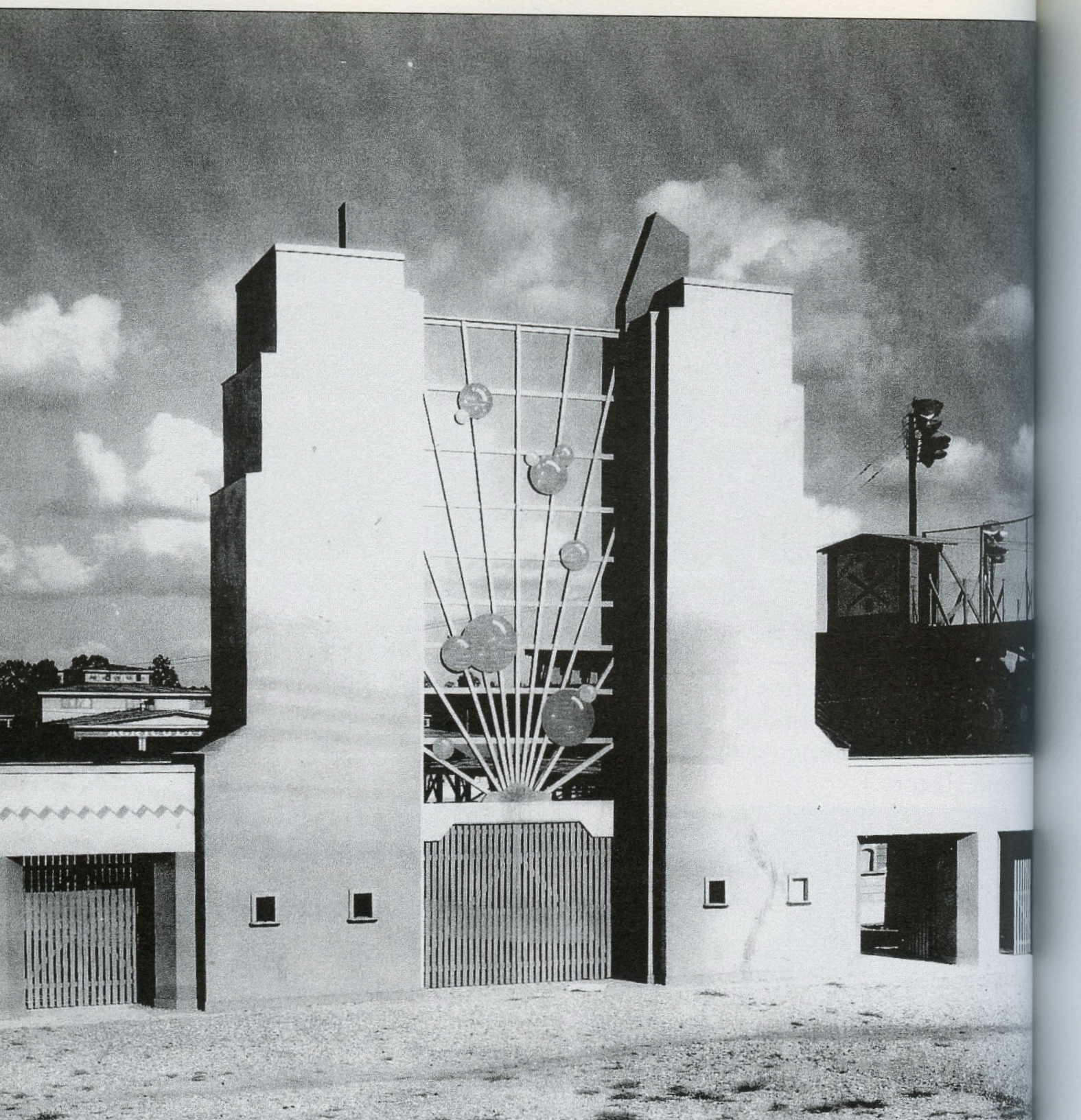
Entrance gates at the State Fairgrounds

I remember only one trip to Jackson before I was in high school and college. I must have been just five or six, but I do recall looking from the Old Capitol down the long vista of Capitol Street and how Sara claimed this as her territory. We practically danced from dime store to dime store, in and out of drug stores and all her old haunts (or those that were left) and then over to the New Capitol. It seems by that time (late 1950s) that the infamous mummy should have made its move to the Old Capitol, but if memory serves me correctly, I saw it in the New Capitol. Regardless of where it was, Sara lived to regret that bit of nostalgia. I was a squirrely sleeper at best, and one look at that hideous creature sent me into an extended tailspin of nightmares and heeby jeebies. What in the world was she thinking? Except for losing some nighttime peace, I think she got a major kick out of “sharing” her old friend, the New Capitol Mummy. And she didn’t feel the least bit duped when a medical student hauled the old girl in for X-rays at UMC a few years later, revealing a clever pastiche of wires, paper mache and shredded newspapers dating back to the late 1800s.

That is the only time I can remember going to Jackson with my parents. Greenwood was a Memphiscentric town and both of their “home offices” were there in Tennessee, so we just never went south. When I started college in Clinton, one of my first big dates was to the State Fair, and I called Sara the next morning to tell her how much fun it was. She laughed and said she was glad that it was just as thrilling in 1971 as it was in 1929. The caterpillar was long gone, but not the taffy, which will be sold on the midway once again this fall.

Posted in Uncategorized | Leave a comment

Capitol Capers

Capitol Street, Jackson, looking west from the Old Capitol balcony. Kennington's is in the distance on the left, Kress' Dime Store a bit closer on the left, and the Century Theatre near the Baptist Church on the right.

“We were very excited about living in a city and spent the summer taking everything in. There were three theaters, the Majestic, the Istrione and the Century, and they were all bigger than Greenwood’s Paramount.

Century Theatre, Capitol Street (the larger, darker building)

The first one we went to was the Century, which had a place next door where you could get fresh orange juice. Then on the corner there was a big drugstore with a soda fountain.

“Livingston Park on West Capitol Street was one of our favorite spots, and we went there often to the zoo and the park. There was a big manmade lake and a bathhouse and that was the only place to swim. We enjoyed getting in the water, but Mama was always close by screaming at us not to go out too far.

Livingston Park lake and bathhouse, right by the Jackson Zoo

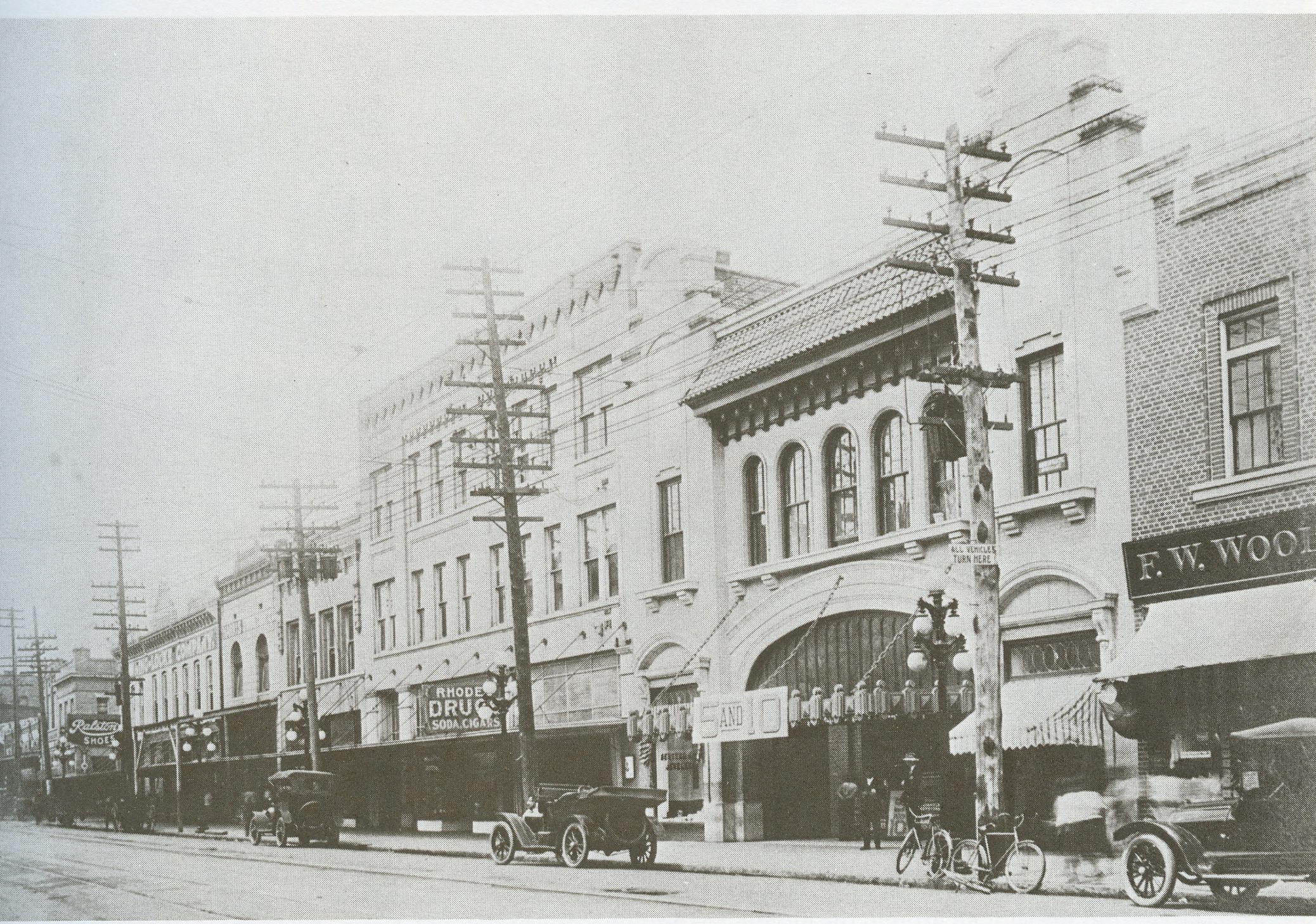
“Capitol Street with all of its stores was as much fun for Mama as it was for us. There were two big department stores, The Emporium and Kennington’s, right across the street from each other, and the best part of all was the choice of three five-and-ten cent stores, Woolworth’s, McCrory’s and Kress’s.

The Majestic Theatre with Sara's favorite store, Woolworth's.

“We would make them all when we went to town, and I spent much of the time tugging on Mama and begging for something. The only thing that would stop my pleas for a new paper doll book or a doll or something else I had spotted was the look she would give me when she raised one eyebrow and frowned, and then I knew she meant business.”

The Hunter and McGee Drug Store, just across Capitol Street from the Century Theatre; this is likely the one Sara described with the soda fountain.

Sara’s first love was F.W.Woolworth, and she carried a torch for him throughout her life. My memory may be skewed, but I seem to recall that we went to Woolworth’s on Howard Street every single day when I was a child, and she would wander up and down the aisles, picking up this and that, admiring the candies, marveling at new additions. For her, a dime store was Disney World and the State Fair and Coney Island rolled into one big ball of delight, much more so than the giant department stores like Kennington’s or the Emporium.

So imagine her anticipation for those Capitol Street trips, as Jessie (and maybe Howard? Somehow I doubt it…) shepherded her gang of four up and down the city blocks, zipping into Woolworth’s and McCrory’s and Kress’s before settling into the dark magic of the Century or the Istrione or the Majestic for cartoons, newsreels and the latest drama with Clark Gable or comedy with Jean Harlow. Then off to the drug store for a soda or milk shake or ice cream. The Depression may have been deepening in those years of 1929 to 1932, but the Evanses seem to have not felt it. Knowing Jessie, I suspect that Sara got most of what she tugged elbows for, as did Mamie, Tiny and Son. Jessie was a softie and her devotion to her children knew no bounds. Jackson was not her natural environment, to be sure, but she was going to be certain that her kids experienced all the wonders that the big city had to offer.

Ed. note: Livingston Park grew out of 79 acres which the City of Jackson purchased on the western edge of the city in 1916. About that time, the firefighters at the Central Fire Station (now the Jackson Chamber of Commerce) began acquiring small animals and exotic pets, which led to predictable chaos in the firehouse. In 1921, a zoo was carved out of the Livingston Park land and the menangerie was moved to the new location. The WPA constructed many of the still-existing structures (the Elephant House, Monkey Castle, snackbar, etc.) and laid out the various habitats for the rapidly growing collection. The neighboring Livingston Park Lake was a popular swimming site, complete with beach, bathhouse and diving tower (which is the only surviving structure), but somehow I doubt Jessie let the girls and Son go very often. She had a serious water phobia, and I just can’t see her sunning in a folding chair while her children risked their lives in Livingston Lake. But the Jackson Zoo remains a sentimental favorite in this family, as Sara’s granddaughter Emily and I went almost every day during her toddler and pre-school days, and Sara’s great-granddaughter Charlotte celebrated her first birthday at the picnic pavilion between the Elephant House and the Monkey Castle this past February. Sara would have been proud.

Kennington’s and the Emporium were true grand-scale downtown department stores, on opposite corners of Capitol and Congress Streets. The Kennington family actually opened a “branch” store in Manhattan, such was their success and ambition. By the late ’60s both stores had closed or been bought out by McRae’s, the dominant department store in Jackson and throughout Mississippi at the time.

Below is a link to a wonderful history of Jackson’s movie theaters, by Jerry Dallas, published in the 2007 Journal of Mississippi History. He writes, “The Century Theater became a Jackson landmark. Jacksonians who grew up with the Century, established in 1901, remembered it most fondly as a real theater, one that provided Jackson with the best touring stage attractions. But its life span as an exclusively live theater was relatively brief. By the fall of 1913, the Century began to show movies between its live stage performances, and films eventually became its major bill of fare. The Majestic was the most long-lasting of Jackson’s early movie theaters…on the north side of East Capitol between North Farish Street and Town Creek….[after moving] the Majestic cost $40,000 and had a seating capacity of 1250…..immediately to the east was a ‘Woolworth five, ten and twenty-five cent store.'” Sheer heaven for Sara Evans.

Click to access theater.pdf

Posted in Uncategorized | Leave a comment