Radio Days

Buddy (Roy Stott, Jr.) and Rawa (Rena Stott Roach), 1944

“In 1945 the Air Base was taken over by the Air Transport Command, so there were no more cadets coming in. The boys stationed out there were flying planes to the war zones and many of them were combat veterans, some having been trained here before they went overseas. Mama left the Cadet Club and went to the Red Cross, where much of her work still involved assistance to service men and their families.

“John Stott served in the European Theatre and Buddy in the Pacific, and Big and Uncle Roy spent much of their time glued to either the cathedral-shaped radio in the kitchen or the other big one in the living room, which was actually two pieces of furniture, one with the controls, the other with the speaker.
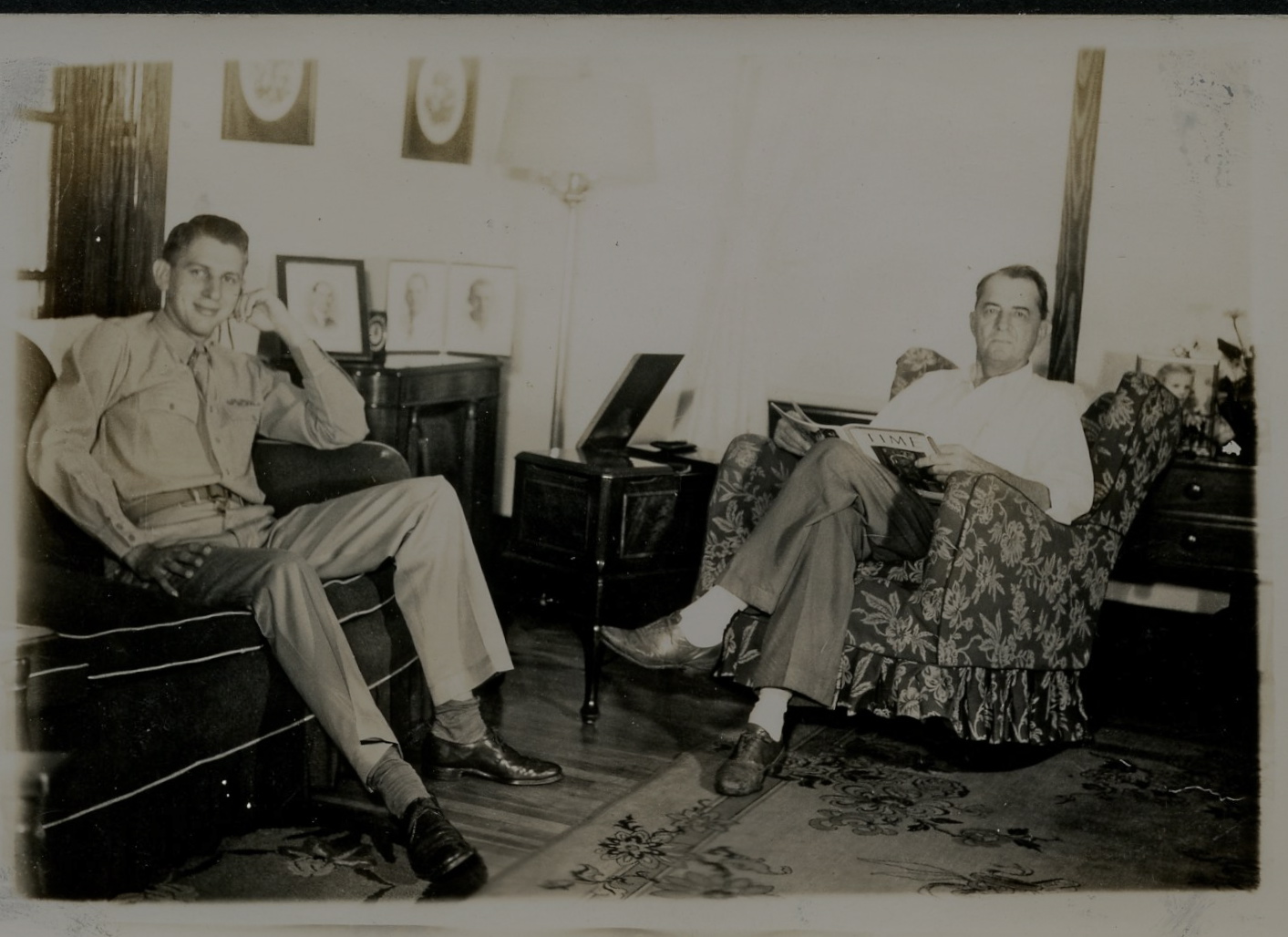
John and Roy Stott, 1944. Uncle Roy is seated in his legendary "big chair" in the Stott's living room.

By the side of the radio was Uncle Roy’s big old chair, and when he would drive up at 5 o’clock from the Light Plant we knew to get out of his chair and put the newspaper down if we were reading it, because through the years Mama had told us to to.

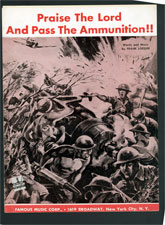
“They listened to all of the war news while I spent my time on the porch with the small record player I had bought, listening to music by the big bands. This was a period of emphasis on music, partly I am sure because we did not have television and we listened to radio all the time. All of the big bands were playing at the ballrooms around the country, and most of the favorite hits were related to the war in some way: ‘Don’t Sit Under the Apple Tree with Anyone Else But Me,’ ‘He Wears a Pair of Silver Wings,’ ‘Praise the Lord and Pass the Ammunition,’ ‘White Cliffs of Dover,’ ‘You’d Be So Nice to Come Home To,’ and many others. Frank Sinatra was the most popular singer of the time, and when he performed all of the girls would scream and swoon, a forerunner of what was to come later with the Beatles.”
://www.youtube.com/watch?v=G5u8E4s57I0

Sara progressed from her little record player to transistor radios, TV shows like “Sing Along with Mitch,” cassette tapes (she skipped 8-tracks) and finally CDs. We gave her every collection we could find of Big Band music, Perry Como, Tony Bennett, Bing Crosby, and anyone who could croon and rhyme “swoon” with “moon.” She loved them all and kept them going almost constantly as she got older. Russell was an Engelbert Humperdinck fan and the Beatles nearly did him in. In her last years, Sara tagged on with her younger granddaughter, Emily, as Michael Ball’s American groupies, primarily because this guy knew how to sing, and he sang her songs. Simple pleasures.

Posted in Uncategorized | Leave a comment

Holding Down the Home Front

Sara makes the front page of "GI Jabber"

“We had a lot of good restaurants then. Of course, there were no fast food places. We had Carnaggio’s, two Giardina’s, the Alice Cafe, Crystal Grill, Hamburger Cafe, Serio’s, the Midway Hotel Blue Room, Post Office Cafe, Smith’s Cafe and probably some others that I have forgotten.

“It was fun being at the Chamber of Commerce during those years. When we would have our annual banquet I was always seated at the table with some of the officers from the Air Base and from Camp McCain who were our invited guests. One night I was at the table with two or three generals from Camp McCain, as well as a few colonels, and I was very impressed. They would always have me stand when they introduced the Chamber officers and staff. Several years later at a Chamber banquet the night before we married, they had the pianist play the wedding march and announced that I was getting married the next day. They then presented me with two silver compotes from the Chamber.

“As the war dragged on and the news of more boys being killed came in, we began to think it would last forever. Russell was right in the thick of it most of the time, and when his letters did not come in for a few days we worried that something might have happened. He sent a lot of ‘loot’ home, including German uniforms, a camera, binoculars, silver, linens, and anything else he could find. When they would run over an area, the people living there would have to leave, and their possessions were at the mercy of either the Americans or the Germans. One time he sent home two colorful shawls which he said came from a house where there were two little dead children upstairs. The folks at the City Hall, where the Chamber of Commerce office was located, always looked forward to the arrival of the boxes to see what Russell had sent.

“I had a lot of good friends at the City Hall, including Mr. Saffold, the mayor, his secretary, Mrs. Dyer, Mr. Gregory, the tax assessor and Mr. Abbott, the city engineer. There were all old enough to be a parent, but they were very good to me.”

I can still feel Sara’s presence when I go to City Hall, even today. It’s such a delightful Art Deco stalwart, plunked right down there in the midst of downtown, solid and predictable, the year “1930” carved just above the main door like a boast, telling all the world that Greenwood managed to keep its act together when the rest of the country seemed to be falling apart. I’m sure she was in her glory as a perky young secretary, in her early ’20s, dashing up and down those long stairs from the Chamber of Commerce office to the Mayor’s office and around to the Commonwealth building on Market or the Post Office next door. In her later career, when she was the Commercial Appeal‘s Greenwood correspondent, she made at least one pass through City Hall every day, often with me as her shadow. We’d check the police docket, see who was in jail, visit with the firemen in Station #1 and pop in and out of various offices, sniffing out the news and gossip. My favorite City Hall character was Winnie Baskin, the tiny custodian who ruled the building for decades with a ready broom and a cocked ear. Sara would slip into Winnie’s dim “office” under the stairs and press her for the inside scoop on all that went on around the corridors of power. Winnie knew where all the bodies were buried and she and Sara were tight buddies until Winnie finally faded away, well into her ’90s. I can still hear her cackling when we’d come through the big brass doors, giving my mother that look that meant “You go on and talk to all these important folks and then come ask ‘ol Winnie what’s what!” Just another memorable character in a town that grows them like weeds.

Posted in Uncategorized | 2 Comments

War and Prosperity

USO on Howard Street

“Many local girls found husbands at the base. A group was organized called the Military Maids. We all joined, but I never did go much to any of the USO or Base Functions. The Military Maids were carried on buses to the base for dances and other events, and it was there that many of them met their husbands.

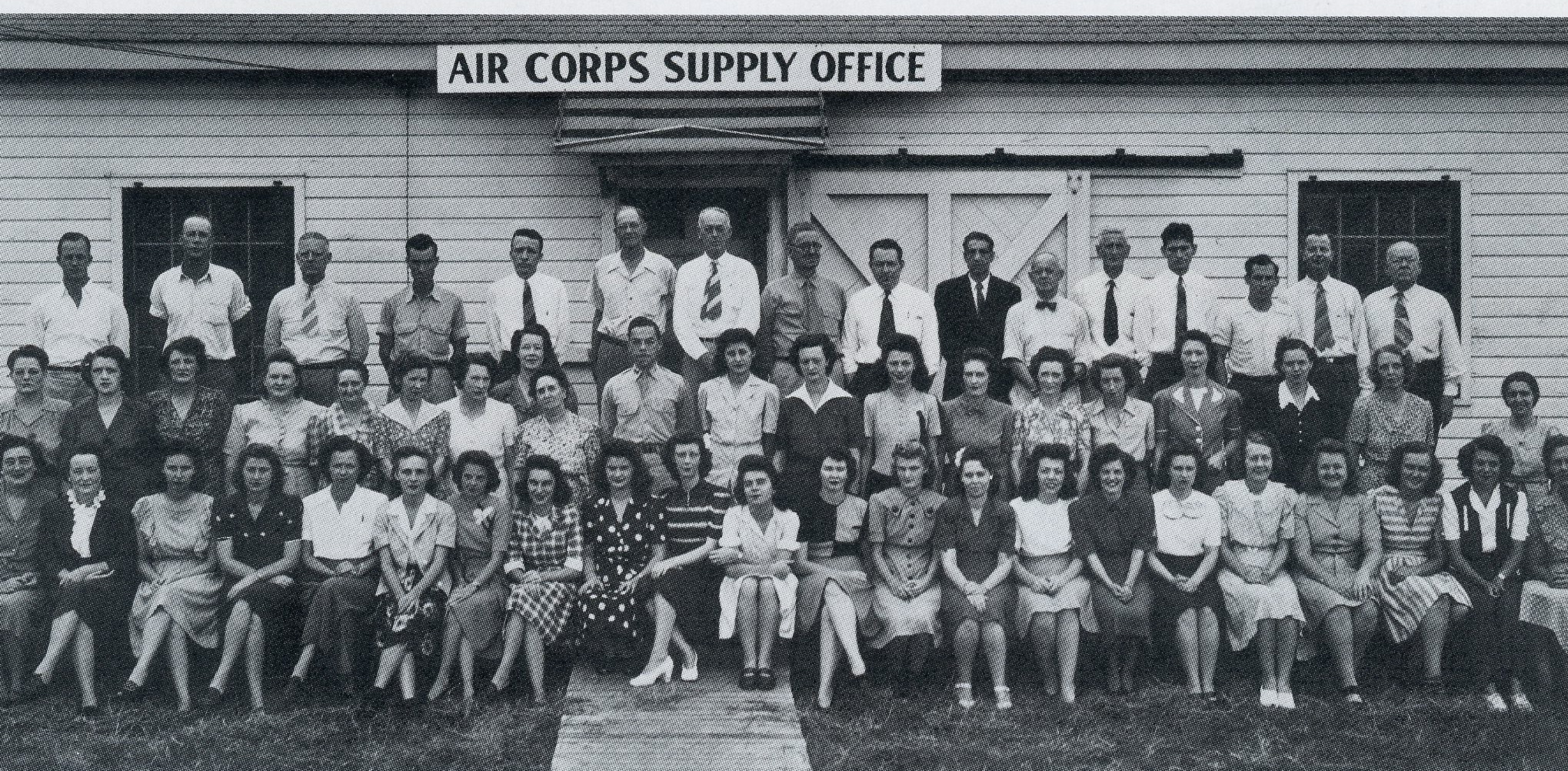
Greenwood citizens employed at the Air Base.

“There was not much to do in Greenwood, and a lot of the fellows spent a good bit of time in the Post Office Cafe which was in the Irving Hotel Building.

Leflore Theatre, southeast corner of Fulton and Washington.

We had three theatres at the time, the Leflore Theatre, the Paramount and the Fran, which all did a thriving business, as did the Cotton Club south of town which had been the Rising Sun Club until the name was changed because they did not want anybody to associate it with Japan. It was run by the Malouf family, who had a gambling room in the back (into which we never dared to go) and they were wholesalers of liquor, which was illegal but plentiful through local bootleggers. They had dance bands at the club and foot and it was a fun place to go.

“The war years were really boom years for Greenwood. Everyone had jobs, the economy was good. There was no vacant rental property, and Wallace Johnson, a building who later helped start the Holiday Inn chain, built sixty little houses on West Adams and West Monroe to ease the housing shortage. It was those little houses Russell referred to when Cathy and Mary Carol were coming along and wanted more than we could afford and he threatened to move them into one. Cathy later said she was always fearful that he was going to carry out that threat.”

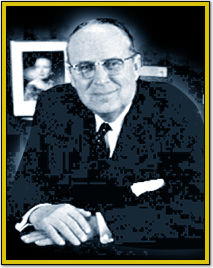
Wallace Johnson, co-founder of Holiday Inns, and builder of sixty Greenwood homes.

Just for the record: I never worried about being relocated across Grand Boulevard to West Adams or West Monroe. As best as I could tell, it was a Baby Boomer’s paradise, with children spilling out of every little house and funneling down to Wagner Park. And, to Wallace Johnson’s credit, those homes are still standing, occupied and generally in good shape. As are the Holiday Inns around the country and around the world, after a period of decline and rebirth.

Posted in Uncategorized | Leave a comment

Daring Young Men in Their Flying Machines

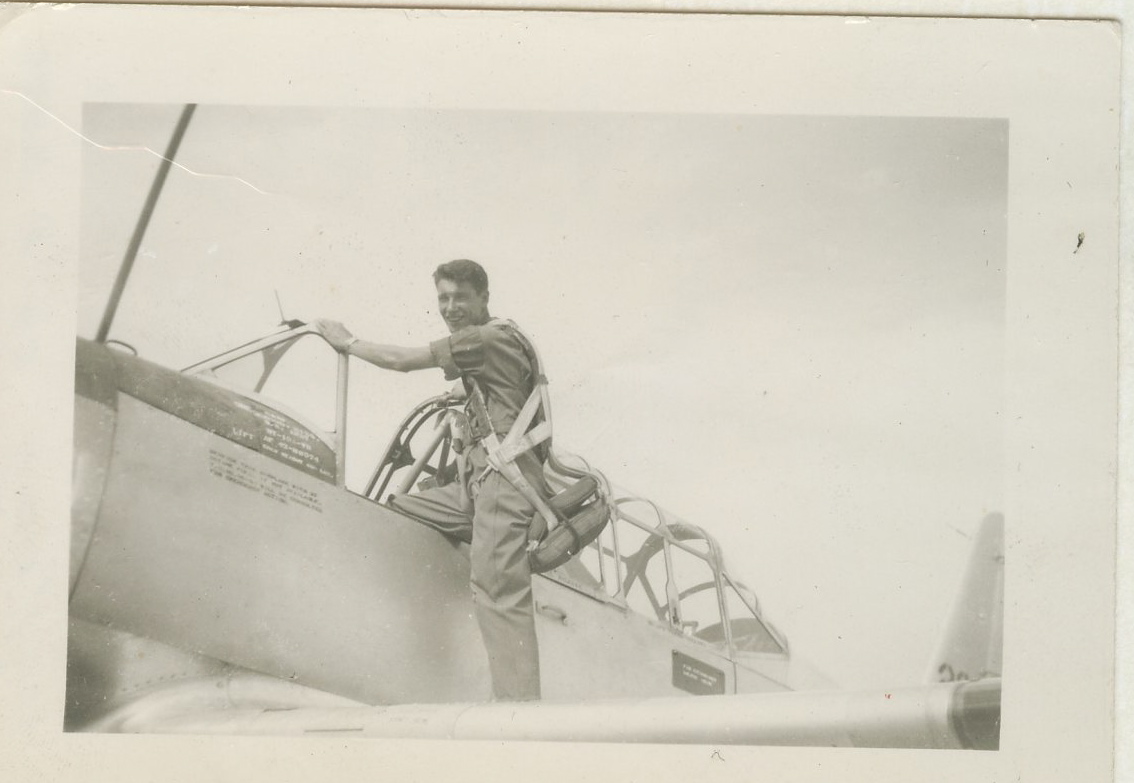
Cadet Henry Moore, Youngstown Ohio

“Some of the boys were so young and had never been away from home. They were here so briefly, and you wonder what happened to all of them. I am sure many were killed because most of them went overseas as soon as they got their wings.

Cadet Bob Bain, Pittsburg PA

I sent a Christmas card to one, Bill Lupole, who I had gone to the show or out to eat with one night. I think he was from Pennsylvania. His mother wrote back that he was a prisoner of war after parachuting from his plane over Germany and that he had lost both legs. Another from Marshall, Texas, whom I had gotten a date with Mary to go along with me and one of my friends, Dan Waddell of Hendersonville, North Carolina, was killed soon after he went overseas. I’m sure there were many more.

Bob Bain

“Money meant nothing to them except to spend and when they got paid some of them would stand at the slot machine and put their whole paycheck in the machine. Since I like to play slot machines, I had fun helping them spend it.”

Cadet Roy Kocera, Minneapolis MN

“They would serve sandwiches down there and Mary, the helper, could make the best pimiento cheese we ever tasted. At the end of their stay at GAAF they would have a graduation dance. It was then that some of the wives we did not know about would show up. I guess we excused everything by saying that this was just war time and that things were different. It was like there was no tomorrow.

Cadet Jim Lowe, Seffner, Florida

“One Saturday night at the Cadet Club, a group was seated at the poker table and most had had a few beers. It was late, and two of them got into an argument. A fight ensued and the table was turned over with all the money on it. Mama had to call the MPs to break it up. After that the table was removed from the Cadet Center. Most of the times things were pretty orderly, though, and Mary and I enjoyed going down there.”

Special Services Officer Charles J. "Chuck" Everett, Minneapolis MN

If you’re looking for an eye-opening site on the internet, Google “World War II Casualty Lists.” The National Archives has each state’s county-by-county breakdown of those killed in action, missing or presumed dead. It is stunning to see page after page after page for every state. I looked for these young cadets on their respective state pages and was relieved not to find their names, although I’m fairly sure they’re all gone now. I just hope they made it home safely and kept those wings that they began to earn in Greenwood, Mississippi.

Posted in Uncategorized | Leave a comment

A Home Away from Home

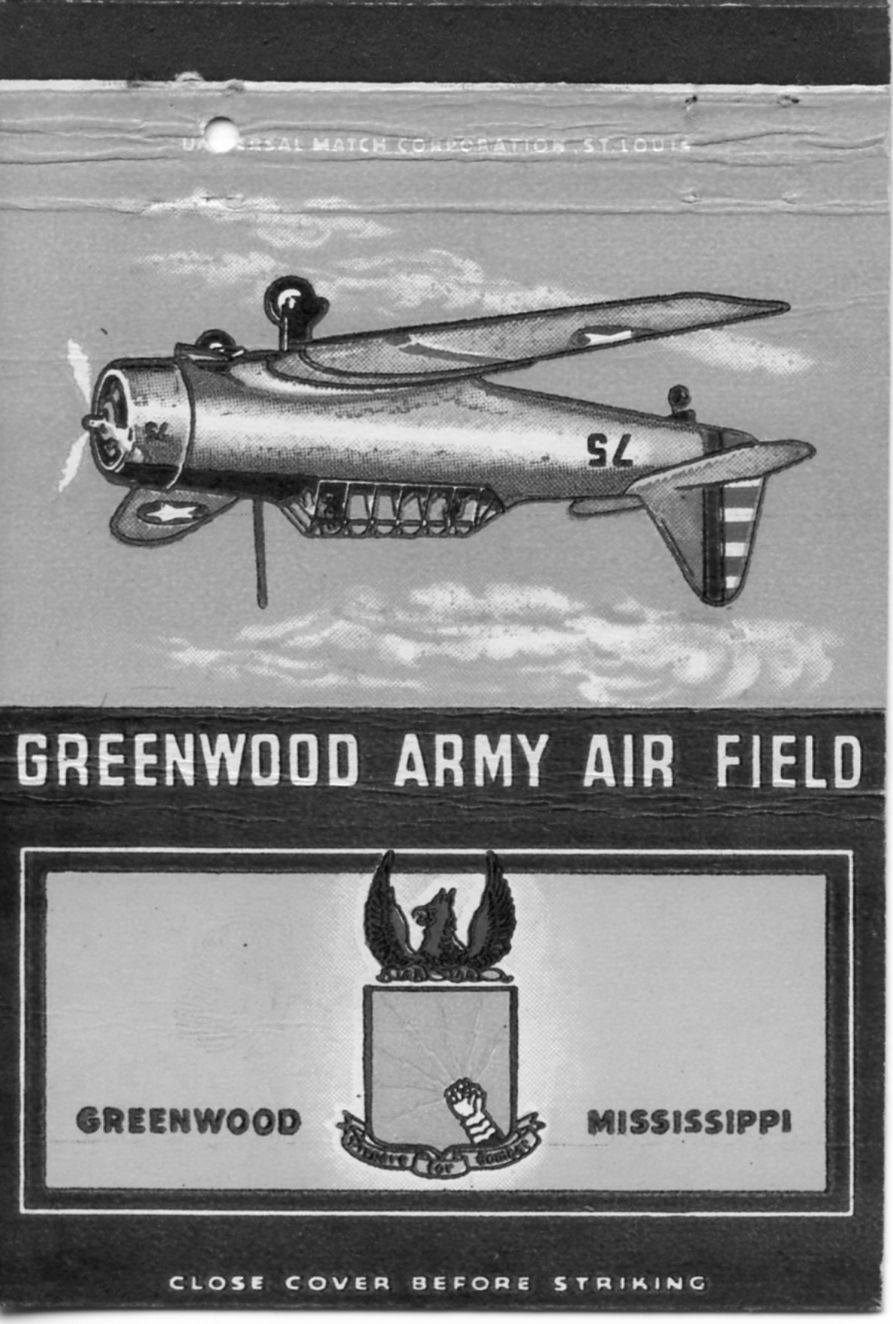
Matchbook cover from Greenwood Army Air Field, courtesy of Donny Whitehead, aboutgreenwoodms.com.

“The town immediately began making plans for entertainment for the many men stationed at the Air Base and at Camp McCain in Grenada. The USO opened in a building on Howard Street, and the American Legion Hut opened on weekends. After the aviation cadets came in in late 1942 the Cadet Club opened in the Confederate Memorial Building, and I am sure Robert E. Lee, looking down from his huge portrait there, could scarcely believe that we were being so nice to all those Yankee boys.

Confederate Memorial Building, home to the Cadet Club. Photo courtesy of Donny Whitehead, aboutgreenwoodms.com.

“The cadets were probably the most carefree bunch of all. They had two classes here at a time, and they came in for a two month period of flight training before going on to advanced training and getting their wings. This was a basic training camp. They were all young, most had had a year or two of college, and they were really a group that could more or less be classified as ‘the cream of the crop.’

“The Bank of Greenwood and Greenwood citizens donated furniture and other equipment for the building which needed refurbishing at the time. The cadets did not have much time off and only were allowed to come into town on the weekends. The Cadet Club would open on Friday and be open through Sunday night. The girls would go down there to meet the boys, dance with them, or play ping pong or the slot machines in the basement.

“Mama, through her friend, Mrs. Arthur Richter, who she knew when she was working for the WPA, got a job at the Cadet Center as one of the three hostesses. Mrs. Richter was leaving there to go to the Red Cross, where she and Mama later worked together for twenty-two years.

Jessie and Tricia, during Jessie's bartending days. She was mother to a lot of young men in those days.

Mrs. R.B.Wilburn, Mrs. Spot Pettey and Mama ran the club along with Richard and Mary, the black helpers. The cadets drank gallons of beer and cokes with Mama standing behind the bar downstairs dispensing them. Many of them unloaded their problems and their homesickness on her, and she thoroughly enjoyed the job. She would worry about some of the very young ones who she was sure were drinking their first beer while standing at the bar talking to her. She never did like to see anyone drinking beer.”

As a child, the thought of my matronly grandmother, Jessie, behind a bar, wiping down frosty beer bottles, was just too funny to deal with or keep to myself. I delighted in telling my friends that my granny had been a bartender in World War II, and I didn’t know anyone who could top that for cool ancestors. I’m sure she was a wonderful psychologist/therapist/listening ear for those homesick, frightened boys and I suspect more than a few never forgot her. There are many subtle ways to serve your country for which you’ll never be widely recognized, and Jessie had found the perfect niche for her talents.

Posted in Uncategorized | Leave a comment

Everyday Patriotism

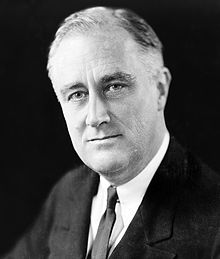
“There were scrap drives all the time with everyone collecting metal and paper and other scarce items. The Boy and Girl scouts and other organizations were always having drives and contests to see who could collect the most. Patriotism was at an old time high, and Roosevelt was a hero to all of us. There was more respect shown for national leaders then, and we would not have dared question whether or not he was doing the right thing. Their private lives were not exposed as they are today.

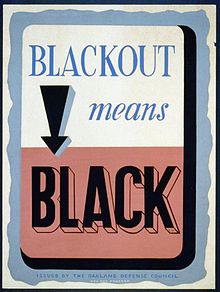
“We had air raid wardens in every neighborhood, volunteers who were to warn their area of blackouts. When these blackouts were called, everyone in town turned out all the lights for a certain period of time, and it was very eerie. These were held so that we would know what to do in case of an attack on this country. Though that was always a remote possibility we did not treat it as such, as we read about the terrible air raids over England.”

Posted in Uncategorized | Leave a comment

Ration Book Blues

Corner of Howard Street and Church Street during WWII

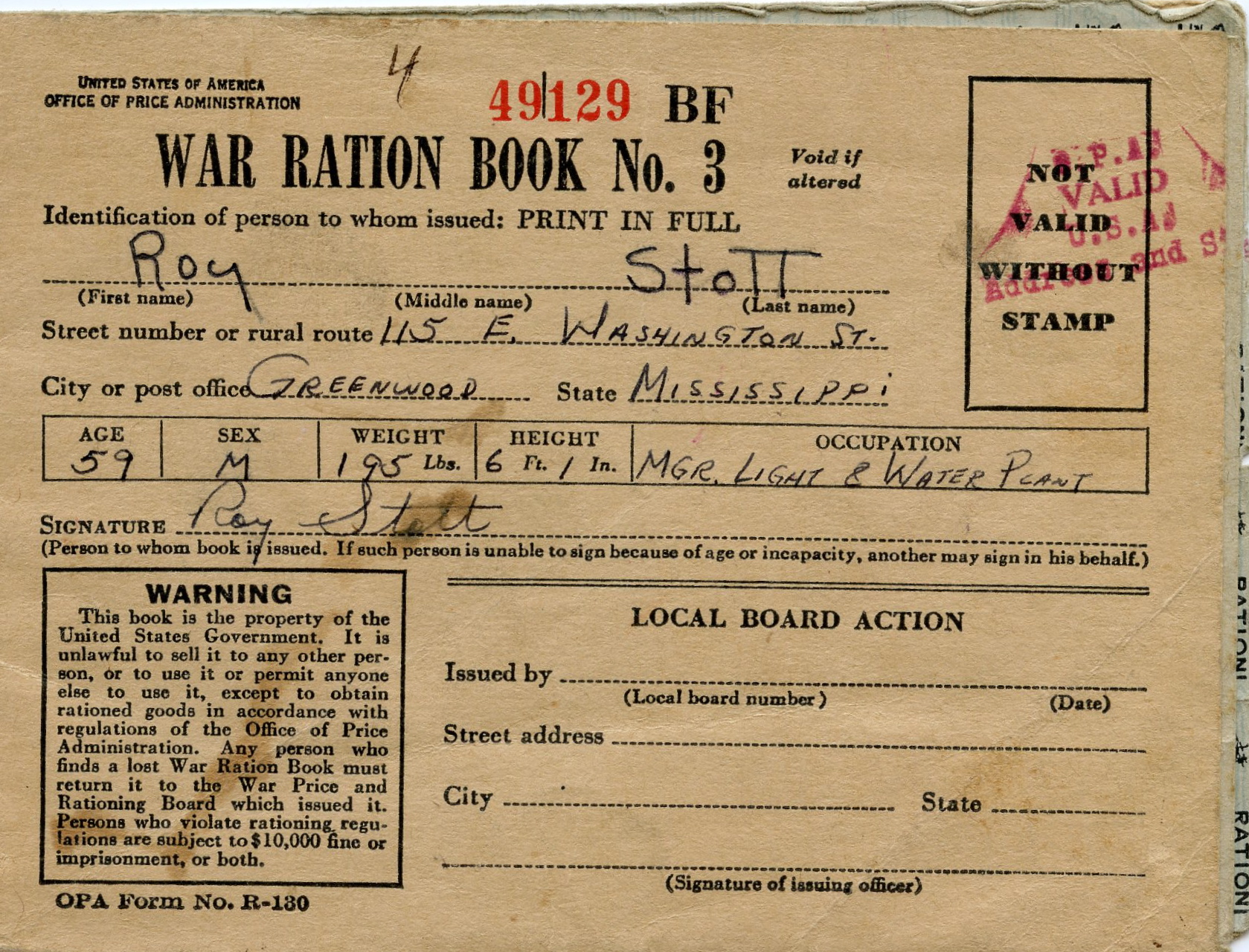
“On the home front there was rationing of shoes, sugar, meat and other items. I think we got coupons for three pairs of shoes a year, but canvas shoes with rope soles were not rationed so we filled in with those. I remember I had a pair of bright green ones that I wore until the rope wore out.

“Mama had a friend in the meat department of Jitney Jungle, and he would slip her bacon under the counter. She would come in from the grocery store and say, half guiltily, ‘Mr. Tuck let me have a pound of bacon.’ Big hoarded so much sugar that it got hard, and we ate a lot of lemon ice box pies made from condensed milk since they didn’t require any sugar.

Roy Stott's WWII ration book.

“Nylon stockings had just come out a year or two before the war started. Prior to that time we had to wear old heavy rayon stockings with more expensive silk ones for dress. Everyone was so pleased when we started getting nylons, only to have them abruptly stopped when the nylon was used to make parachutes. Nylon lingerie was very hard to get, and when DeLoach’s would get in a shipment of panties we would spread the word around and line up to get one pair, the same with slips. Mary was working at the Bank of Greenwood by that time, and I would call the bank when I heard that DeLoach’s had a shipment.

Bank of Greenwood staff; Mary Olive Evans (Mamie) is on front row, far right.

“Also chocolate candy was very scarce, and Mary would alert me when Roberts Drugstore got in a shipment of Dream Creams, and I would run down there to get a Dream Cream. Mary said whenever there was a line when some scarce item came in she knew I would be in it, so one day when she saw the funeral home across the street unloading caskets, she came running to tell me that I had better go get in line.”

Ed. note: Nylons were a development of DuPont chemical; after they were introduced for sale in May, 1940, over 4 million pairs were sold in just four days. When the war started, all silk and nylon production was diverted for parachute and tire manufacture. I have no idea what a Dream Cream might have been, but if it involved chocolate, Sara would stand in line for it. And as far as I can tell, caskets were never rationed. Leave it to Mamie to find humor in shortages and funeral homes.

Posted in Uncategorized | Leave a comment

“We Regret to Inform You”

A secretary in great demand, early 1940s.

“Most of the secretaries in town were giving up their low paying jobs and heading to the more glamorous Air Base jobs with higher government pay, starting out at $125 a month. I was making $75 at the Chamber of Commerce, so I threatened to go to the Air Base too, and my salary was raised to a whopping $100 a month. When I left there eight years later I was still only making $175.

“The years 1941-45 brought so many changes in all of our lives. Nothing seemed permanent anymore. Our quiet little town overnight became home to thousands of young men from all over the country, and despite the terrible aspects of the war it was an exciting time, the likes of which we have not seen since.

Carlton Notgrass, one of Sara's Jackson friends.

It brought people closer together as we shared the grief of those who were receiving the messages by Western Union that began with ‘We regret to inform you,’ which meant a boy was missing in action or had been killed in action. They came quite frequently, and the whole town mourned with that family. The first ones killed were in the Royal Air Force or on a ship in Pearl Harbor.

Henry Moore, Greenwood Airbase Cadet from Youngstown, Ohio.

“One of the first was a boy named Gus Tate, who I had dated and had refused a date on his last leave at home. He was in the Air Corps and was killed in 1942 while training down in Louisiana. He was an only child, and they had a military funeral, and the high school band marched to the cemetery since he had been in the band all through high school. It was times like these that brought the grim reality of the war home to us.”

Billy Hendrix, a Greenville friend.

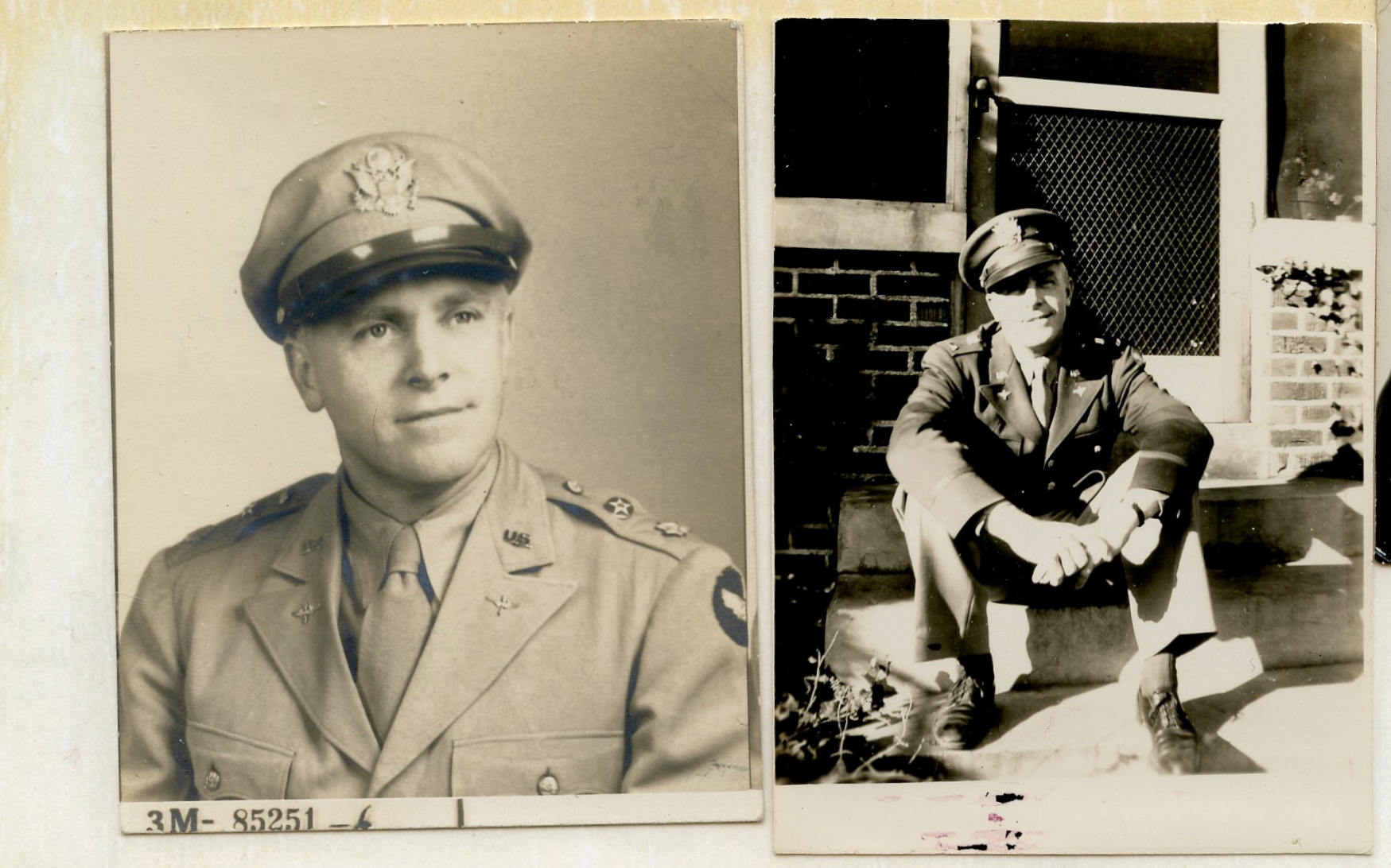
Talk about the Greatest Generation. Just look at the young men pictured above, at their attitude and cockiness. Henry Moore, all the way from Youngstown, Ohio, is about to bust the buttons on his flight uniform, likely still not quite believing that the U.S. Army has actually handed him the keys to a fighter plane and will turn him loose on the Nazis in a few months. Carlton Notgrass, who is pictured in a previous posting on a Belhaven stoop, 17 years old, cutting up with Sara, is now decked out in a sharp military jacket, tilting that cap so far that it’s about to slide right off his head. And he doesn’t look old enough to have ever experienced the business end of a razor. And Billy Hendrix, who must have been one of Sara’s Greenville boyfriends. He’s a bit older, more serious, perhaps more aware of the downside of this great adventure. So far as I know, all of these young men made it safely through the war, as Sara almost always made a little notation beneath the photos of those who didn’t. She’d pencil in, “Lost over English Channel,” “Shot down in Pacific,” or “Died in France, 1944.” My Baby Boomer mind simply cannot wrap around the war years and the daily uncertainty, the collective gut churning that must have flared every time you saw the Western Union man coming around the corner. I am so grateful for the relative peace and security that their generation provided for mine by a sacrifice that was inconceivable.

Posted in Uncategorized | Leave a comment

Welcome to Our World

Mamie, Jessie, Bill Roberson and Sara, 1942.

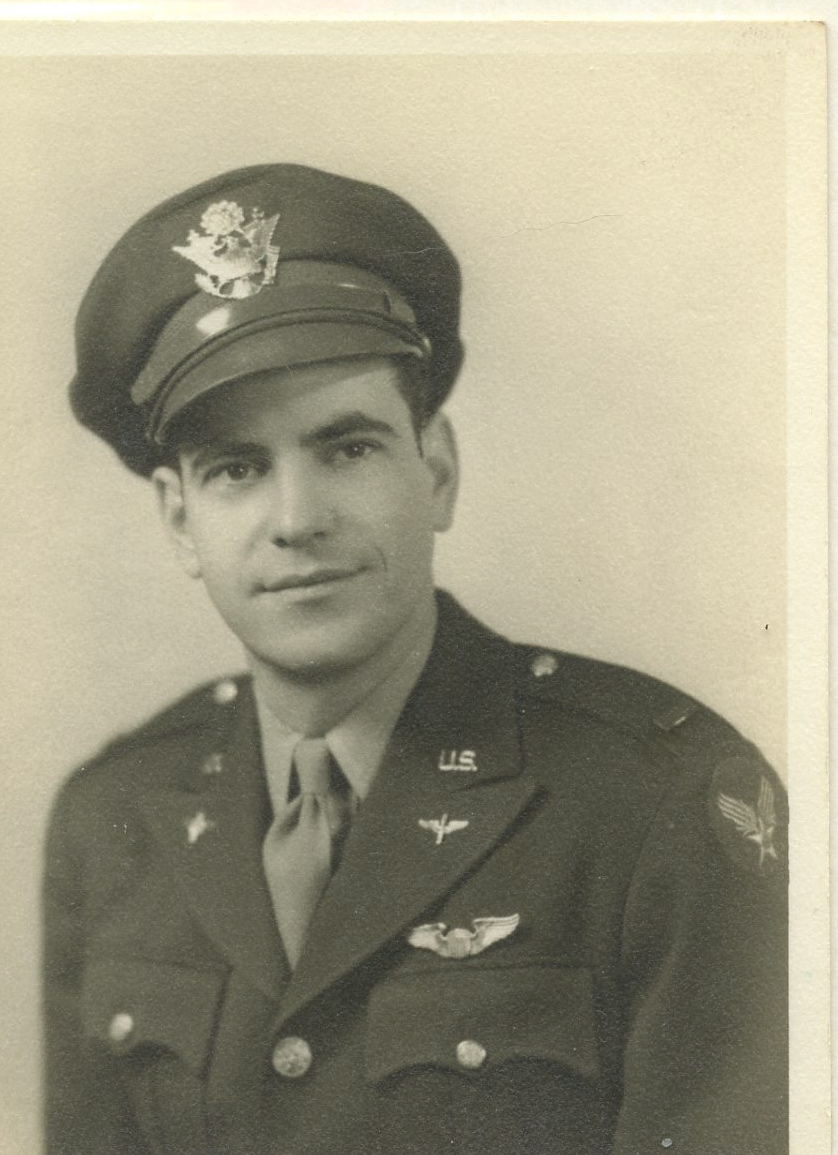
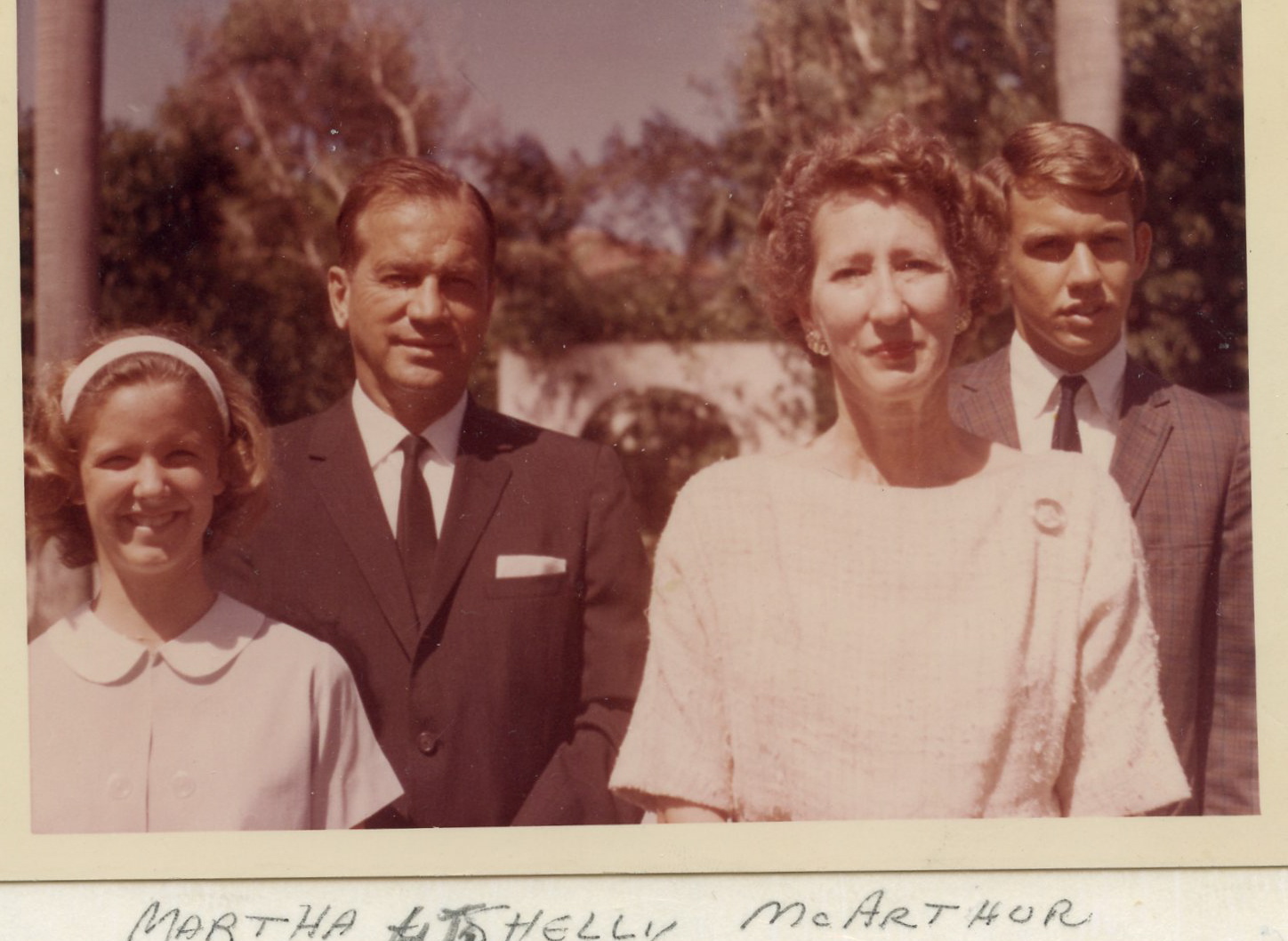
“Places to live [in wartime Greenwood] were so scarce. One afternoon a good-looking lieutenant came in the office looking for an apartment or a room. We did not have anything so I just took him home with me since Big had one room upstairs she was wanting to rent. Big was always wanting to rent a room if she had an empty one. She had already put someone in Bama’s room. Shelly McArthur was the lieutenant’s name, and he alternately asked me or Mary to go to the show. Mary was still in Itta Bena teaching but came home on weekends. Martha, his wife, came after a few weeks, and they found an apartment. We just loved both of them and kept up with them through the years but never saw them again. In 1985 something apparently happened to Martha because our letters and cards went unanswered and our many telephone calls were fruitless.The McArthur family, probably in the 1970s.

“Shelly was a very neat and meticulous person, and I have often wondered what he thought of his accommodations. Big could not tolerate smoking so there was never an ashtray around. When he asked me for one I never will forget how embarrassed I was when Big sent me upstairs with a kitchen saucer. Years later, Big and Uncle Roy ran into them at a Utilities meeting. Shelly was an executive with a power company in Kansas City. Martha’s father was a millionaire cattle judge from Texas and she had been a buyer for Neiman Marcus.”

Let’s consider this scenario. You’re a soldier, likely of the reluctant sort, and you’re shipped far from home to a cobbled-together airbase in Greenwood, Mississippi, which is a dot on the map so small that your worried parents and wife have to pull out a magnifying glass to find it. The base is new and incomplete and one of the yet-to-be-arranged details is a place for you, the lieutenant, to hang your cap. So you motor over to Greenwood, spot the City Hall, wander up to the Chamber of Commerce office and hope for the best. The first face you see is Sara Evans’. She’s sorry to tell you that there are just no apartments to be had in this small town and you begin to wonder just how this is going to work. But, Sara being Sara, she takes one look at your sad (and handsome, that helps) face and bundles you out the door, across Main Street, a block down East Washington and through the doors of Greenwood’s Welcome Wagon Central, AKA the Stott House. The red carpet is rolled out for you, even if they won’t give you an ashtray, and your bond with these hospitable folks is not broken for decades to come.

I am of the mind that there should be a statue of Sara in front of the Chamber of Commerce building. Simple kindness, as much as industry and commerce, is the key to a community’s success, and I believe we’ve forgotten that simple fact.

Posted in Uncategorized | Leave a comment

Greenwood’s Head Cheerleader

Sara in front of Greenwood City Hall, 1942.

“While I was home [in Greenwood, 1942] I learned that there was going to be an opening at the Chamber of Commerce since Mary Hayes Crow, the secretary, was going to marry my old friend Joe George [Saunders]. I applied for the job, got it and handed in my resignation with the Farm Security Administration. I was delighted to be coming back home and felt that the job would be a lot more interesting than the one I had had. There were only two of us in the office, my boss, Botts Blackstone, and me.

Botts Blackstone, Greenwood's long-time Chamber of Commerce Director

“In May they announced that an Air Field would be opened on the site of the present airport, so our office really became a beehive of activity as we got ready for all the influx of soldiers and their families. Construction soon began, and by September Greenwood Army Air Field was ready to open. We set up a housing bureau where townspeople listed rooms, apartments, and houses for rent. Everyone who had an extra room or could make part of the house into an apartment jumped into the act.

“There were no bachelor quarters for the officers when the base first opened so all of them had to find rooms or apartments in town. Therefore I had the chance to meet most of them as soon as they arrived in town and dated some of them.”

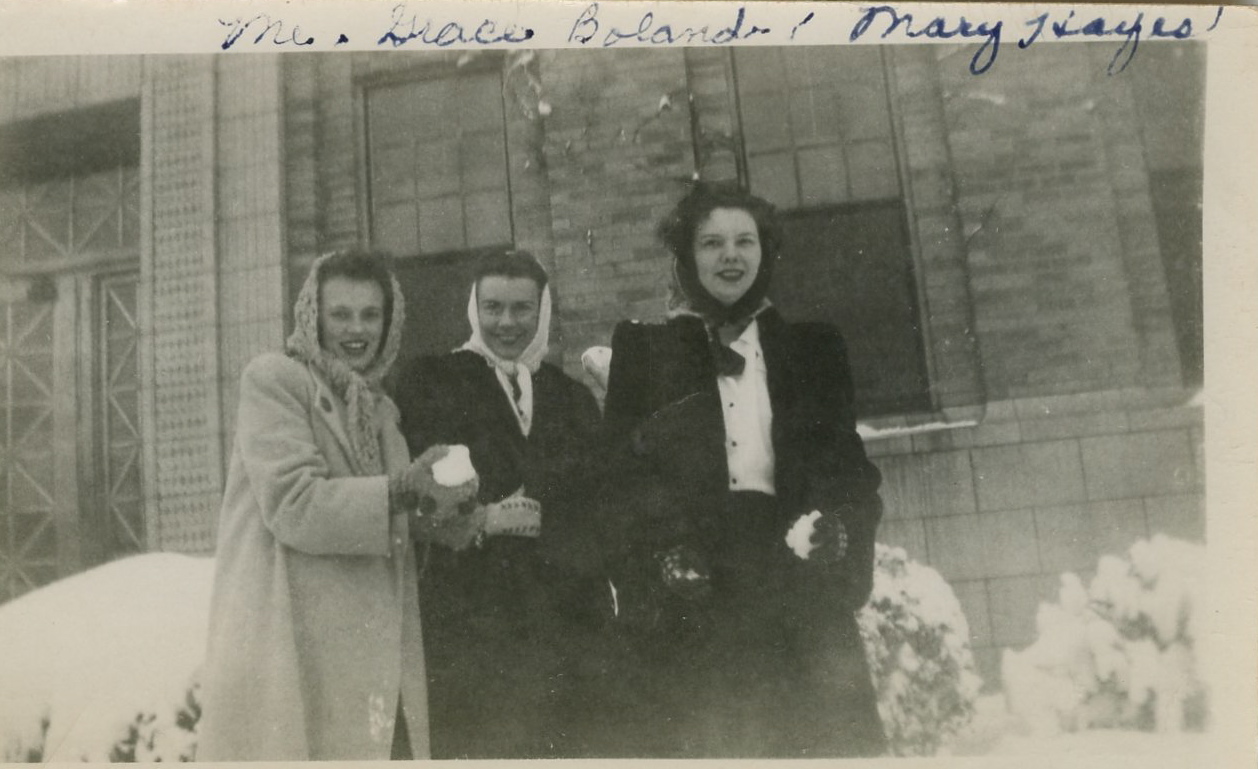
Sara, Gracie Boland and Mary Hayes Crow, City Hall in the snow.

Talk about finding the perfect job; Sara loved being in the middle of all the action and just couldn’t stand being out of the loop. And she never lost her conviction that Greenwood was the center of the universe. So put her in an office where she’s likely the first face that newcomers see  and ask her to cheerlead for her community, then get out of the way. Poor Botts Blackstone probably never knew what hit him, but he and Sara were a formidable team for a decade.

Posted in Uncategorized | Leave a comment