The Castle

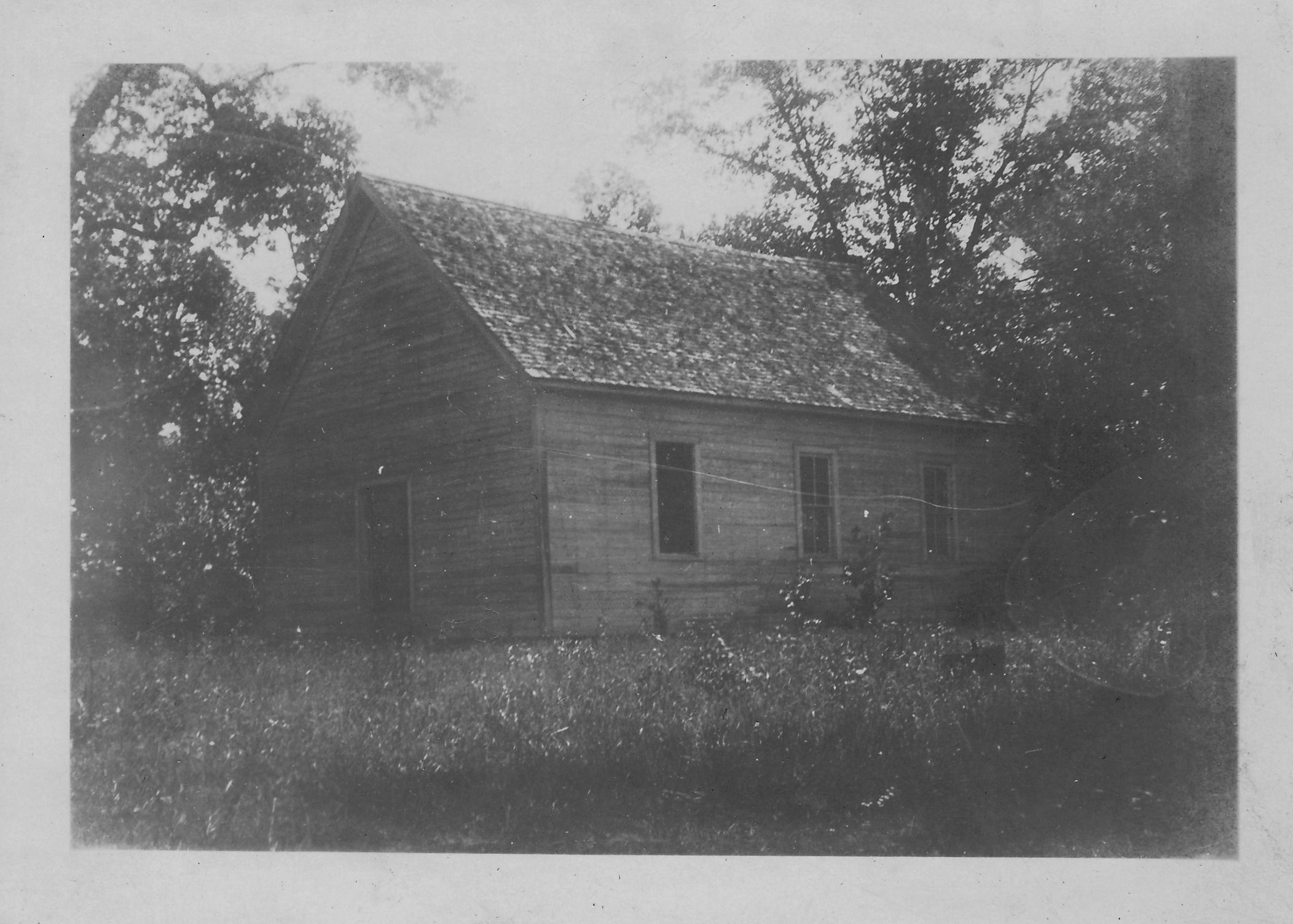
Davis School, original 1904 building

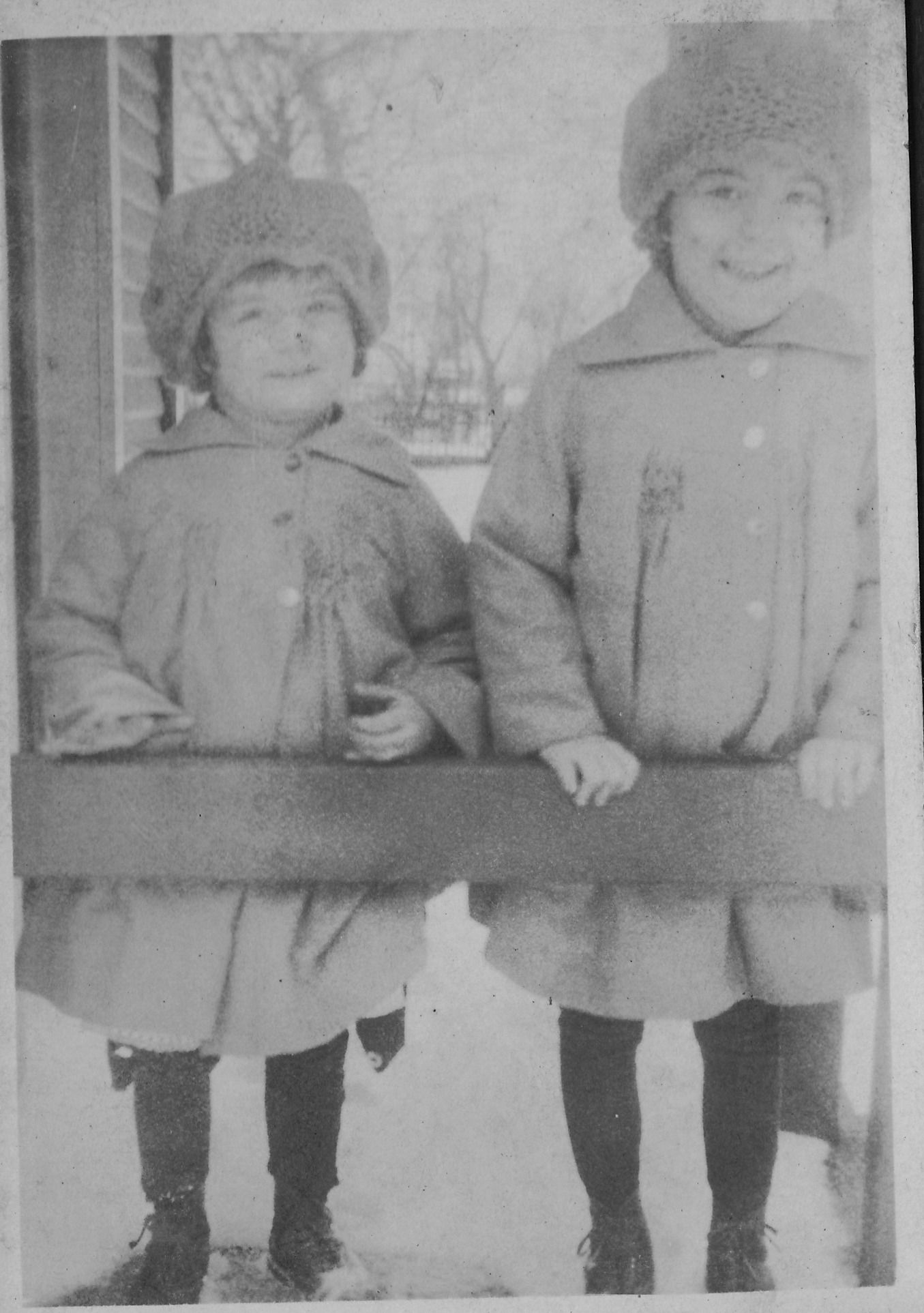
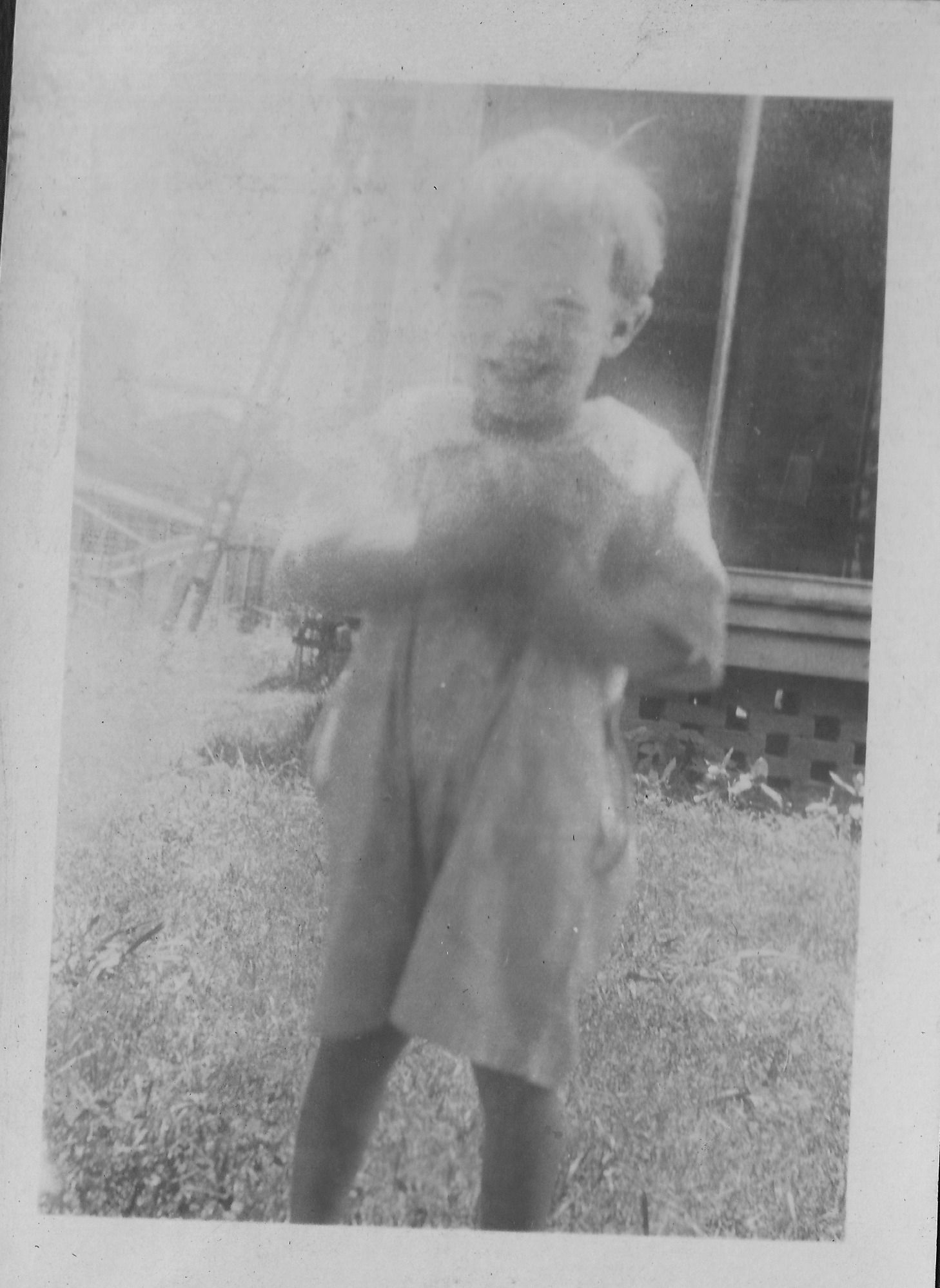
“I was very lonesome after Tiny and Mary were both in school and would sit every day on the front steps with my Sue doll waiting for them to come home to lunch. Mama and Bama would be in the kitchen fixing lunch (only we called it dinner and the night meal supper). Mama would feel sorry for me and would let me make a ‘mess’ which was a concoction of flour, eggs, milk and anything else I cared throw in, pretending I was making a cake. Of course the messes were never cooked, but I sure did have fun pretending.

Tiny in First Grade, Davis School

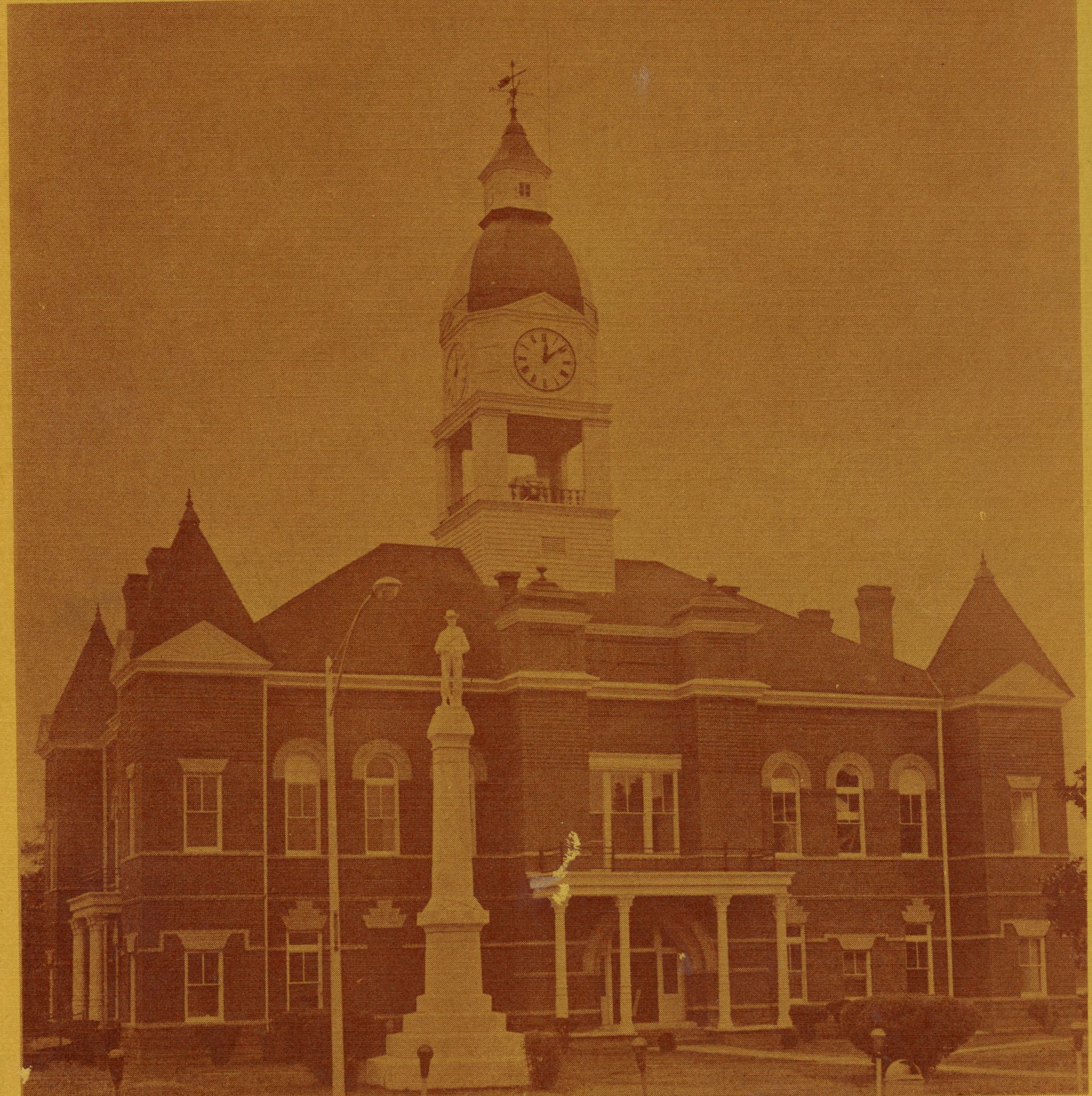
“In September 1927 I finally started to Davis School. Davis was big old red brick school building with a tower, high ceilings and long corridors which smelled of disinfectant. It was a very frightening place to little fellows going there for the first time, and I for one never felt completely safe and secure there even though I was very glad to be old enough to go to school. There were basements where the restrooms were located, and they were always dark and damp and smelly. When it rained that was where we had to play, so I hated rainy days, and I don’t think I ever used the restroom.”

Davis School and Football Field

Much more to come on Davis School………Stay tuned. And for more photographs of Davis and other Greenwood schools, check out Donny Whitehead’s website, aboutgreenwoodms.com.

Posted in Uncategorized | Leave a comment

Black Sheep and Cudns

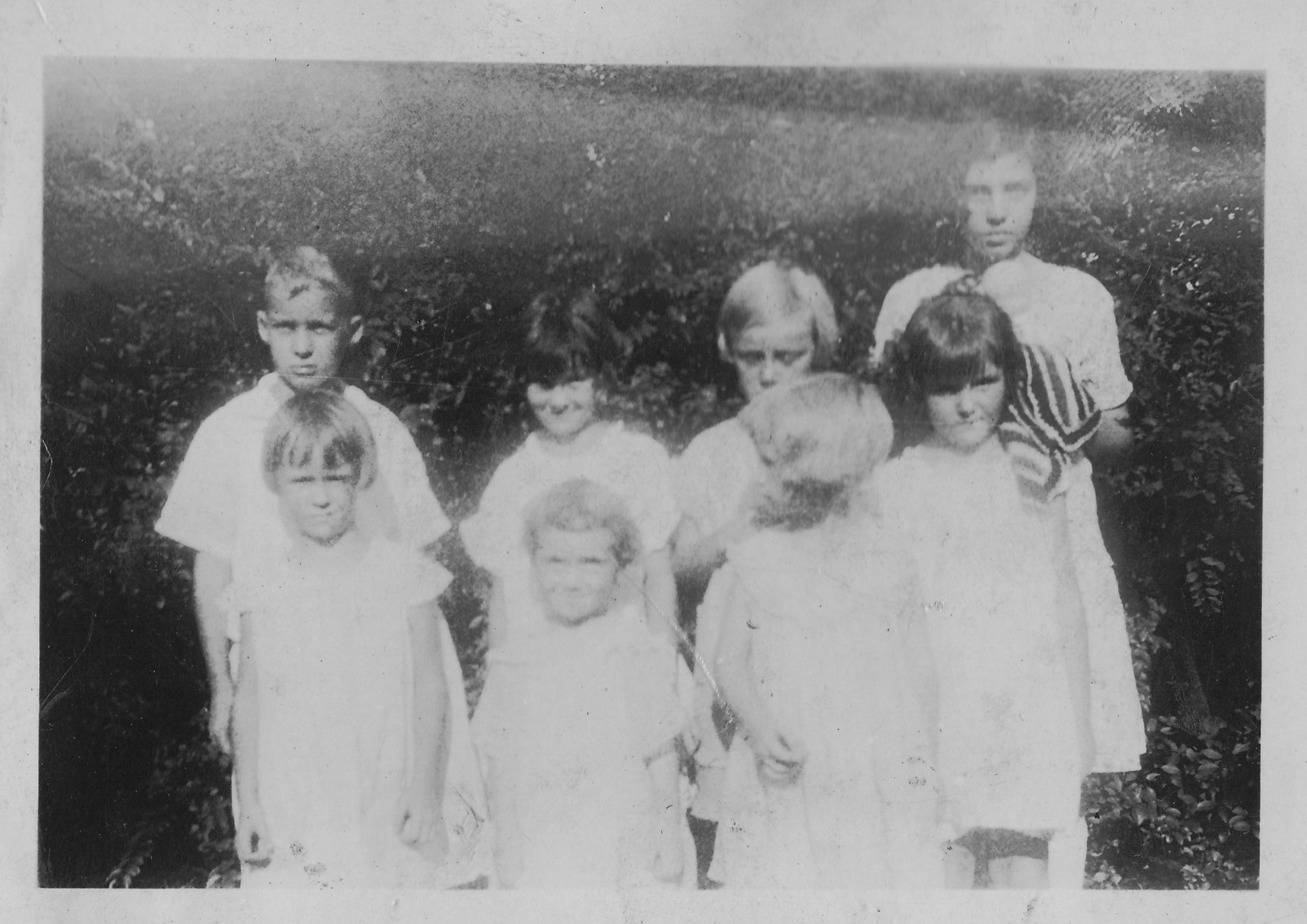
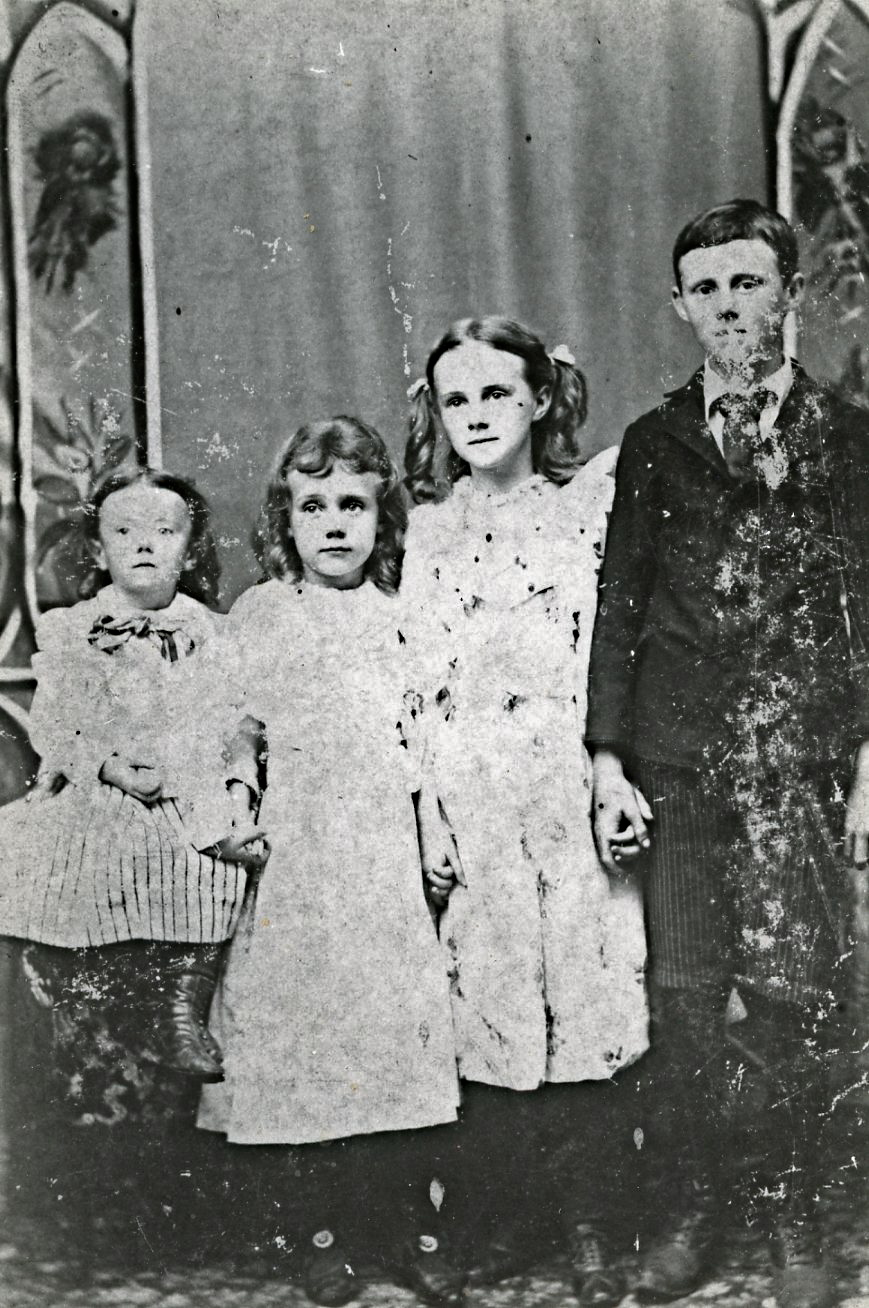
Evans and Stott children with Aunt Bonnie’s daughters

“Daddy [Howard]’s mother had died when he was five or six years old. His Daddy later married twice more and outlived both of them too. Daddy had two sisters, Bonnie and Willie, and a brother, Dewitt. Willie died and left two young children, Eugenia and John Sidney Eason. Aunt Bonnie had five daughters.

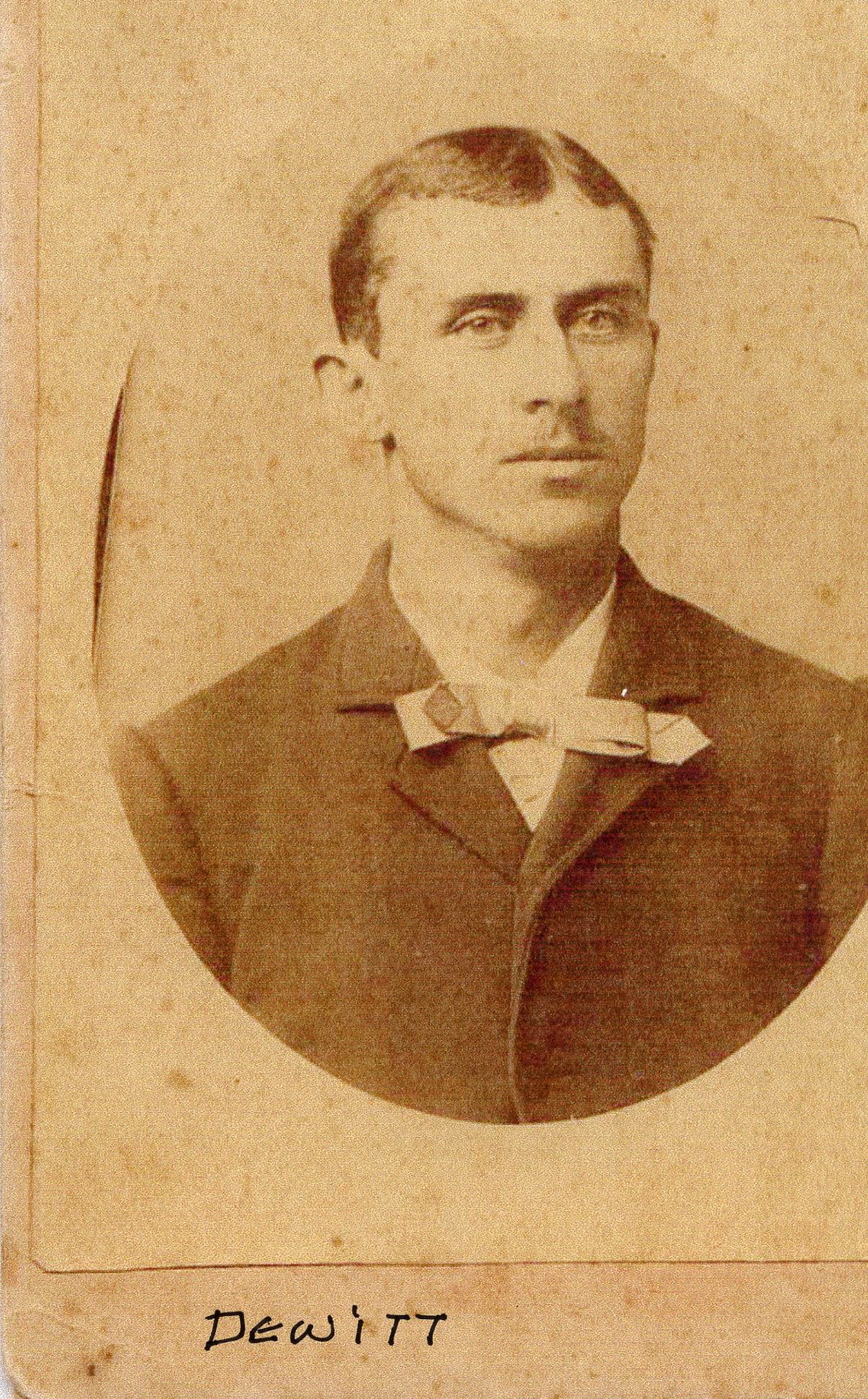
Dewitt Evans

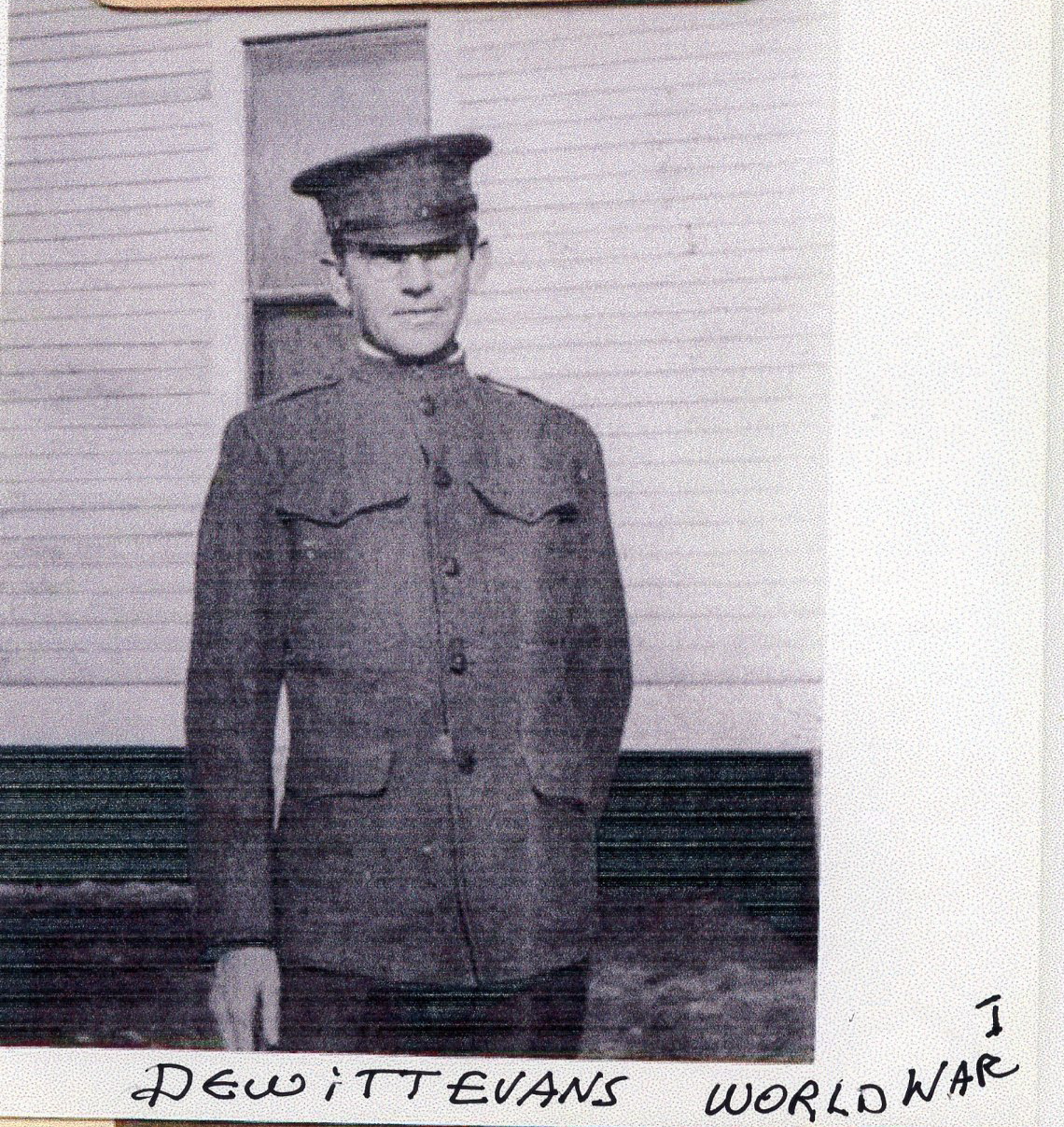
Dewitt was ‘never any good’ according to Mama. He had been married and had two children but had left them, and I always wondered what happened to those two first cousins we never knew. He was always showing up wanting to borrow money and embarrassing Daddy. Mama said he even followed Daddy to Jackson, but we never saw much of him. His nickname was ‘Dibby,’ and if Mama got mad at me she would sometimes say I was ‘just like Dibby.’ That was the worst thing she could think of, I guess.

Dewitt Evans in World War I uniform

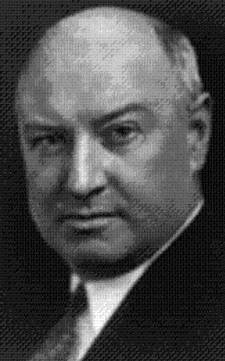
Mama had lots of cousins, and some of them were always showing up. Most of them I couldn’t keep straight, but the one we saw the most of was Cousin Mable Hughes. We always called the cousins ‘cudn,’ so she was known as Cudn Mable. They lived in a little house in North Greenwood which at that time was almost like going in the country. She had three boys, Joe West, Tom and Bob. Bob was in my class and Tom was in Mary’s. I didn’t want anyone to know that Bob was my cousin. There was nothing wrong with them, but Cudn Mable just never looked clean, neither did her boys. One afternoon my friend Spot Pettey came over to play, and Mary immediately proceeded to tell him he was my cousin. I could have killed her. Their daddy was a postman, and Mama, for some reason, looked down her nose at postmen, barbers, carpenters, etc. Cudn Mable would come over and sit on the porch with Mama and Bama and she complained all the time about the government not paying her husband Tom enough money. In later years, still complaining, she would say ‘that old Farley,’ who was the Postmaster General, was to blame for Tom not getting a raise. We would giggle about her telling Mama one that day that Tom always wanted her to have pretty underwear when all the time we thought he should have been more concerned about her outside appearance.

Postmaster General James Farley

“She was a good person, and when Bob was killed while flying over the English Channel in World War II her whole world crumbled, and we were sorry that we had made fun of him. When they were little Bob and Tom would always pull on their mother’s dress (her coattail, as Mama and Bama would say) and whine and whenever we did the same thing to Mama she would say we were acting like Bob and Tom.”

Might Cudn Bob have been in the Mighty 8th?


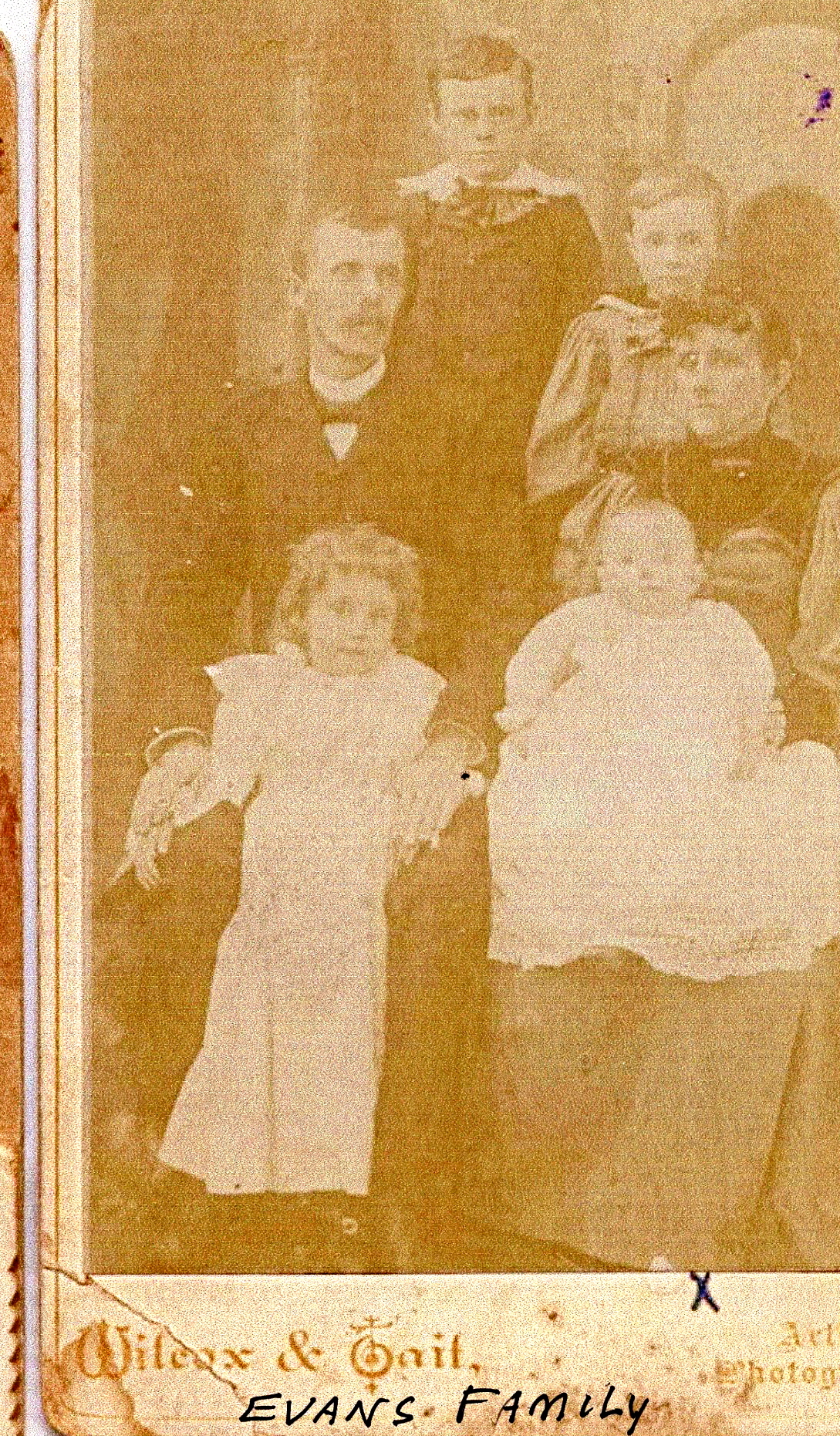
The only known photograph of Grandmother Evans with her husband, Reverend R.M. Evans and their children, circa 1895

At this point we will leave the Evans ancestors behind. They barely dented Sara’s awareness as a child, and by her own motherhood they existed only as derisive asides, as in “You’re just like Dibby,” i.e. worthless,  or “Just like Bob and Tom,” i.e. clingy and whining. I heard those descriptions as a child, but didn’t know that they referred to real people, much less kinfolk. It seems so sad to me that entire family tree limbs gradually sag and turn brown and then drop to the ground, swept away with the years and indifference. All my life, I’ve felt like Margaret Sproles Chavis (Bigma) and Theodorene Chavis West (Bama) and Anderson West were just out of reach, flesh-and-blood friends who might live next door and whose stories were seared into our collective history. And what makes the difference? Telling those stories, over and over again, to each new generation, adding the more recently lost to the string of souls, boring your children to death with lore and legend until they’re old enough to wake up, look around and realize that we are all the legacy of those who came before. So here’s to all the little ones out there, in no particular order: Maggie, William [Roberson], Mary Farrell, Steele V, Charlie, Asher, Mary Blake, William [Liles] (pending), Baby Ellis (pending), Ashlyn, Skylar, Charlotte Natalie Sarah Graves (my granddaughter, so she gets full billing), Caroline and Charlotte [Evans]. Listen and look back in wonder. 

Posted in Uncategorized | Leave a comment

Reptiles and Relatives

Mamie, Tiny and Sara (The Snake Patrol) with Bigma, Jessie and Bama on porch of Strong Avenue bungalow. Sara keeps a sharp eye out for creepers.

“One of our favorite stories was about the time we were eating our breakfast in the breakfast room when I was very small and I very nonchalantly looked at Mary and said, ‘Mamie, I see a nake.’ There in the window right by us was a small snake. They killed it and then tried to determine where in the world it had come from. They finally decided it had either come in the coal which was delivered in a big truck which went down the driveway past the breakfast room window or it had been brought into the house with the coal, which was used in the fireplaces.Bama, Snake Nemesis

I guess Bama was not too afraid of snakes because whenever she found one in her garden she would kill it by pouring scalding water on it.

“One time our Grandpa Evans [Howard’s father] came to visit us and while he was here, he preached a sermon at the First Methodist Church. Daddy took him to town one afternoon to get a new shirt, and Mama asked him to take Tiny and Mary and me to the barber shop to get our hair cut. There were no beauty parlors then, and everyone got their hair cut at the barber shop. The barber asked Daddy how short he should cut our hair (all of us wearing straight hair with bangs), and he told him just to cut until he got back. It took a little longer than he expected to find Grandpa Evans a shirt, and when he got back our hair was  halfway above our ears and our bangs almost non-existent. All three of us were in tears, and Mama was fit to be tied because she wasn’t too happy about Grandpa Evans being here anyway. That was really the only time I can remember being around my grandfather, but as I recall he was a nice old man.

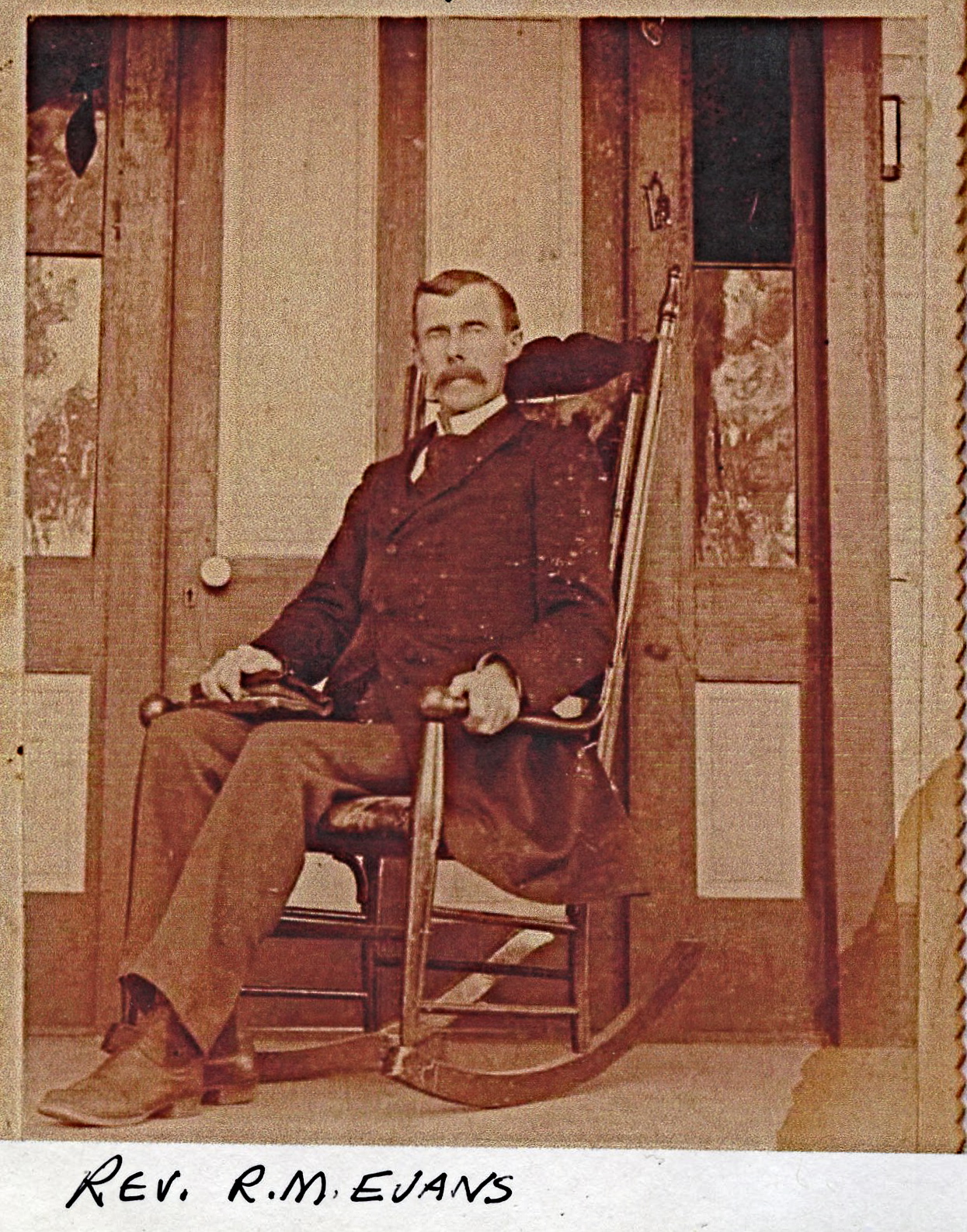
Reverend Robert Manson Evans

“I think Mama resented Grandpa Evans because she said he tried to make a Methodist out of her and that when she and Daddy would go to see him when they first got married, she would have to get down on her knees every night for a prayer service. Daddy’s mother had died when he was five or six years old. His Daddy later married twice more and outlived both of them too. Daddy had two sisters, Bonnie and Willie, and a brother, Dewitt. Willie died young and left two young children, Eugenia and John Sidney Eason. Aunt Bonnie had five daughters.”

Howard, Willie, Bonnie and Dewitt Evans, circa 1898

I don’t ever recall hearing the “nake” story, but I know Sara loathed anything that creeped or hopped (except bunnies, which were Eastery and therefore acceptable). Frogs and lizards would send her scooting, which of course compelled us to round up herds of amphibians and reptiles and slip them into the East Adams house, just to see her lose her composure. She was always a good sport about it. Not long after I moved back to Greenwood, I got a frantic phone call from her, late on a summer afternoon. “There’s a snake on the back porch and I don’t care how busy you are, get over here. It’s a big one.” Jimmy and I headed over and found her standing on the back stoop, clutching a broom, ready to swat the intruder into oblivion. Jimmy took the broom and went looking for the snake while I calmed Sara down. He actually found two, maybe a foot in length if you laid them end-to-end, and just as desperate to escape as she was for them to vanish. He shooed them out the door, found the gap in the mortar where they had slipped in and plugged it with a towel. I thought the whole episode was pretty funny until he told me that they were water moccasins. Not nice nakes.

Grandpa Evans. He looks more like a Hollywood gunslinger or maybe the sheriff-with-a-heart-of-gold than a preacher to me. Odd that Sara only remembered seeing him that one time, and then he seems to have just drifted out of their lives. Maybe Jessie was too much of an obstacle to overcome; if she didn’t like you, you were toast and there was really no way to undo that. And if he piously had her down on her knees praying, non-genuflecting hardshell Baptist that she was, that probably sealed the deal. Thank you for your son but please close the door on the way out.

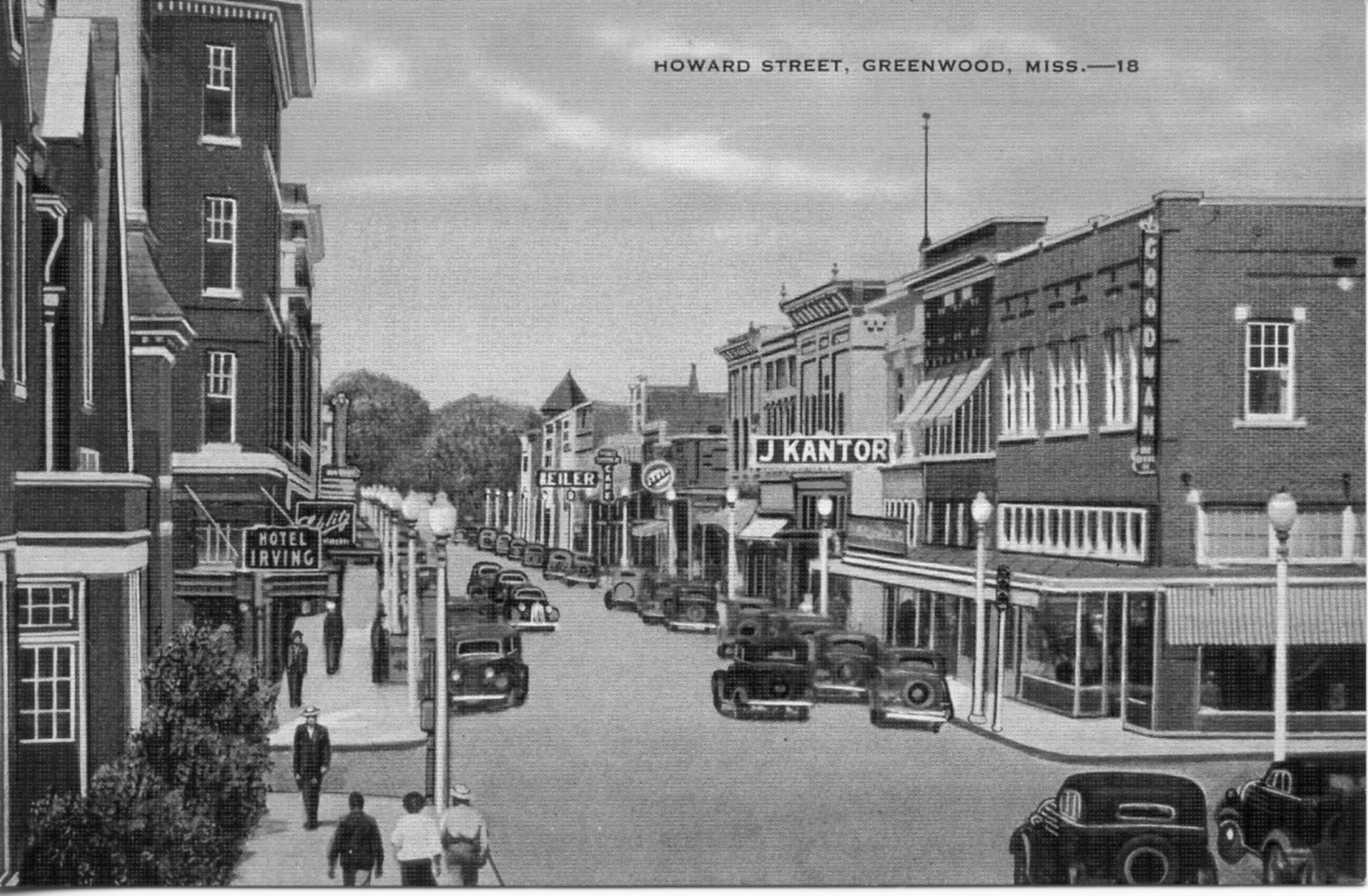
I wonder where Howard took Reverend Evans to shop. The most likely spot was Kantor’s, “Outfitter to Mankind,” on Howard Street for so many years. Or perhaps Fountain’s Big Busy Store. And the barbershop where the triple massacre occurred? Maybe the one just off the lobby of the Irving Hotel.

Howard Street, with Irving Hotel on left and J.Kantor's on right. Courtesy of Donny Whitehead, aboutgreenwoodms.com

Wherever it was, I’ll bet that barber made a wide detour around Strong Avenue for a long, long time. I have this mental picture of Howard, already in dutch for hosting his father, driving home very slowly to face Jessie. Dealing with a scalded snake would have been easier than the reception he probably got that day.

Ed. note: Kantor’s opened on Market Street in the early 1900s, owned by the Kantrovich brothers. They legally shortened their name soon after and built the store that was synonymous with fine men’s clothing in the 300 block of Howard Street in 1917. Ten-year-old Adeline Kantor laid the first brick and the building still bears the name, “The Adeline.”

Posted in Uncategorized | Leave a comment

Spooks and Spring Water

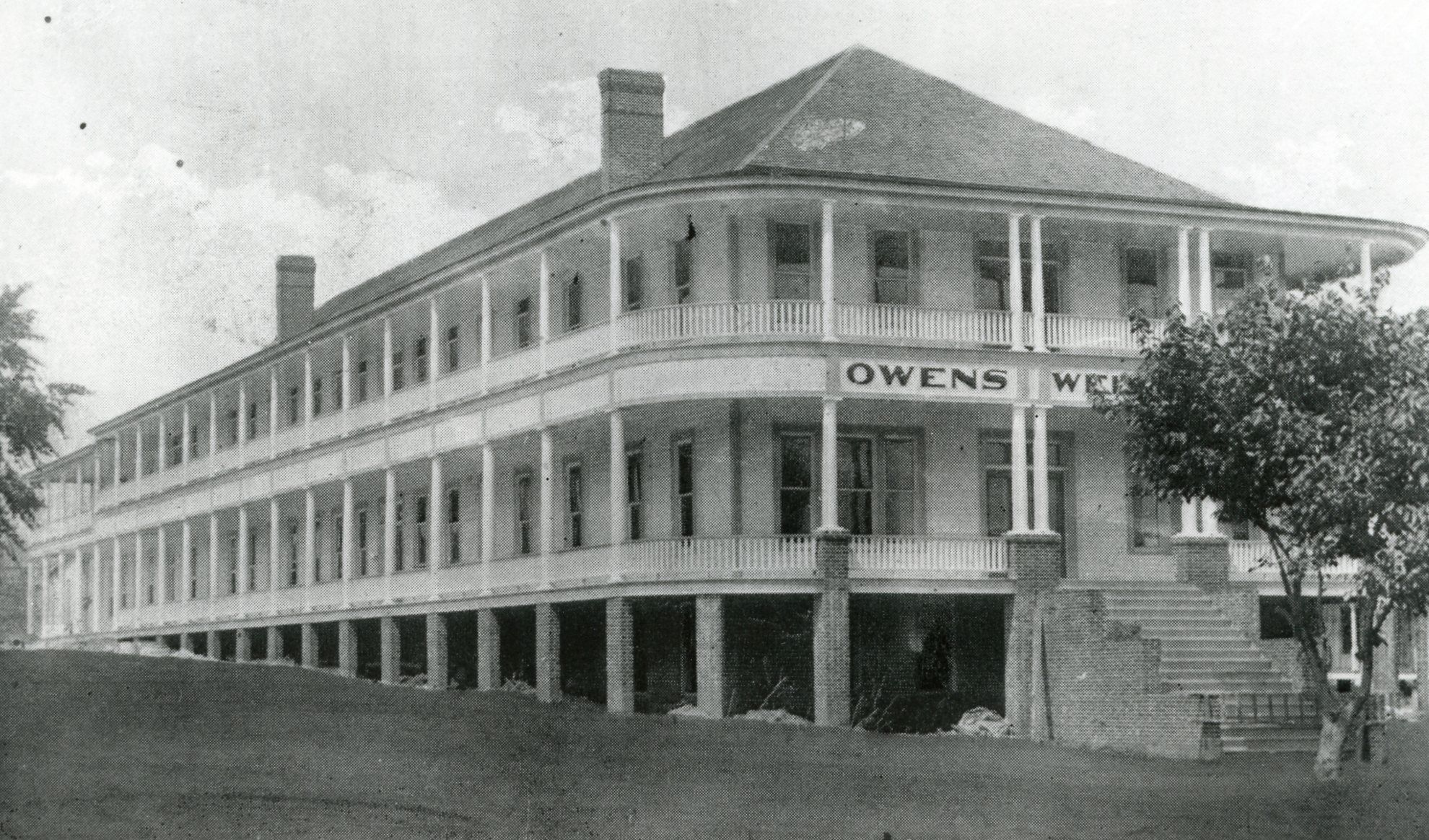
Owens Wells Hotel, Holmes County Mississippi, photo courtesy of MDAH

“One Fourth of July [our family] took us to Owens Wells, which was somewhere near Durant and sort of a resort where they had gone in years past. There was dinner on the ground with all kinds of good food, and they really enjoyed seeing their old friends and many cousins. We rode the train back to Tchula, and Daddy picked us up there that afternoon. He was all excited and anxious to get back to Greenwood because a Negro, Sylvester Mackey, had shot Deputy Sheriff Frank Smith twice, and a posse had formed to try to catch him.

Congressman Frank Smith, third from right, from Sara's photograph collection

“Smith’s son Frank years later wrote in his book, Congressman from Mississippi, that his father called the Sheriff to his hospital bed and asked him not to let the mob lynch his assailant. They cornered the Negro in a cabin and apprehended and followed Smith’s wishes. Mackey was later tried and hanged. Anyway, I don’t think Daddy joined the posse, and I can’t believe he would have. I remember once seeing the place in the Court House which was used for hangings. Later criminals were put in the electric chair, and the hangings ceased.”

Sara seemed to remember every detail of lurid stories from her childhood, a harbinger of her later career as a newspaper reporter. She followed the Kennedy-Dean murder story (more on that to come) with preteen fascination and could still relate all the twists and turns decades later. It seemed like every house we passed on Grand Boulevard or West Washington held a story and her voice would drop down to a whisper as she shared the scoop, as if those ghosts were listening in on her conversations. No one was ever better suited for being paid to be nosy.

Ed. note: Mississippi was dotted with resorts and spas in the mid-to-late 1800s, usually at a site where “healing waters” had been discovered. Many of these inns were along the Gulf Coast, but there were quite a few further north, including Cooper’s Well (Raymond), Artesian Springs (Canton), Allison’s Wells (Canton), Lafayette Springs (east of Oxford), Stafford Springs (Laurel) and the two pictured here, Owen’s Wells and Castalian Springs. Most were out of business by 1930, and they were eventually torn down or burned down. Owen’s Wells was described in the 1938 WPA Guide to Mississippi as “a large rambling hotel…built near the wells and many people patronized it, especially the Delta people.” It must have been closed soon after that, and a trek down Owen’s Wells Road, between Lexington and Goodman, yields no clues as to the site of the huge hotel. I’m not sure if it burned or was demolished. Castalian Springs Hotel, southwest of Durant, photo courtesy of Mary Rose Carter

Castalian Springs, one of the few remaining spa hotels, was remarkably similar to Owen’s Wells, which suggests common ownership or builders. The site’s history dates back to the discovery of deep wells with “healing” water in 1835. A girls’ boarding school opened there in 1854 and the original hotel served as a Confederate hospital after the Battle of Corinth in 1862. A Kentucky soldier left us diary entries of his time there: “April 23, 1862. The [Castalian] Springs are three miles from town [Durant] and the soldiers were brought out in carriages….I am in a room on the second floor, occupied by ‘Morgan’s men,’ the boys I came with, belonging to that ‘layout.’..The building is a two-story frame with ‘wings,’ ‘ells,’ etc. an is accomodating nearly three hundred sick and wounded….nearly all Kentuckians. The grounds are tastefully arranged about the springs, and the scenery in the vicinity is romantic. There was lately a female school kept in this place…..This evening had some pleasant conversation with ladies.”

Forty-three of the soldiers are buried not far from the existing hotel, which replaced the one described above, lost to fire in 1903. After the heyday of spas and springs passed, Castalian sat empty until it was purchased by the Jackson YMCA in the 1950s. For twenty years or more, it was a girls’ summer camp, alive with crafts and tents and archery and swimming and cabins up in the hills. My sister, Cathy, went there for a couple of summers, and I thought that was the most adventurous possible life. She came back with tales of snakes and a general’s ghost in the hotel, and my summer camp dreams evaporated. I could handle one or the other, snakes or spooks, but definitely not both. I never went. But I did venture out there on one of my college-era wanderings in the 1970s and found the old hotel in remarkably good shape. It was occupied by a group of Northern missionaries who would train their people by sending them up to the YMCA cabins with no provisions. They were going all over the world to primitive sites, and survival in the wilds of Holmes County was considered challenging enough to prepare them for almost anything in Borneo or New Guinea. Blazing heat, starvation, massive mosquitoes, snakes as big as tree trunks: Jessie’s old stomping grounds had them all and more.  The only threat that couldn’t be easily replicated was cannibals, which have not yet been sighted in Holmes County. When Mary Rose Carter and I went out a few years ago to take these pictures, the missionary group was closing up shop, moving on and leaving Castalian for sale once again. I must find out who owns it now and see about a tour. If you’re so inclined, take the Castalian Road out of downtown Durant, cross the interstate and just a hundred yards or so from that busy highway, there it sits. Isn’t that amazing?

[From the Shameless Commerce Division: The details above are taken from my books, Lost Landmarks of Mississippi  and Must See Mississippi].

Frank Smith grew up to be the Delta’s representative in Congress and served with great distinction. His progressive views on race relations enraged the political nabobs in Mississippi, who gerrymandered him right out of his seat in the early 1960s. His son, Fred, owns and operates Choctaw Books in Jackson, Mississippi’s most eclectic rare bookstore. Congressman Smith would hold court there, sitting in a rocking chair just to the right of the front desk, recounting his days in Washington and dispensing wisdom gleaned from a long, distinguished career. I wish I had asked him for Greenwood memories, but I was too much in awe to approach him. Another lost opportunity.
Posted in Uncategorized | 18 Comments

Beauty is in the Eye of the Beholder

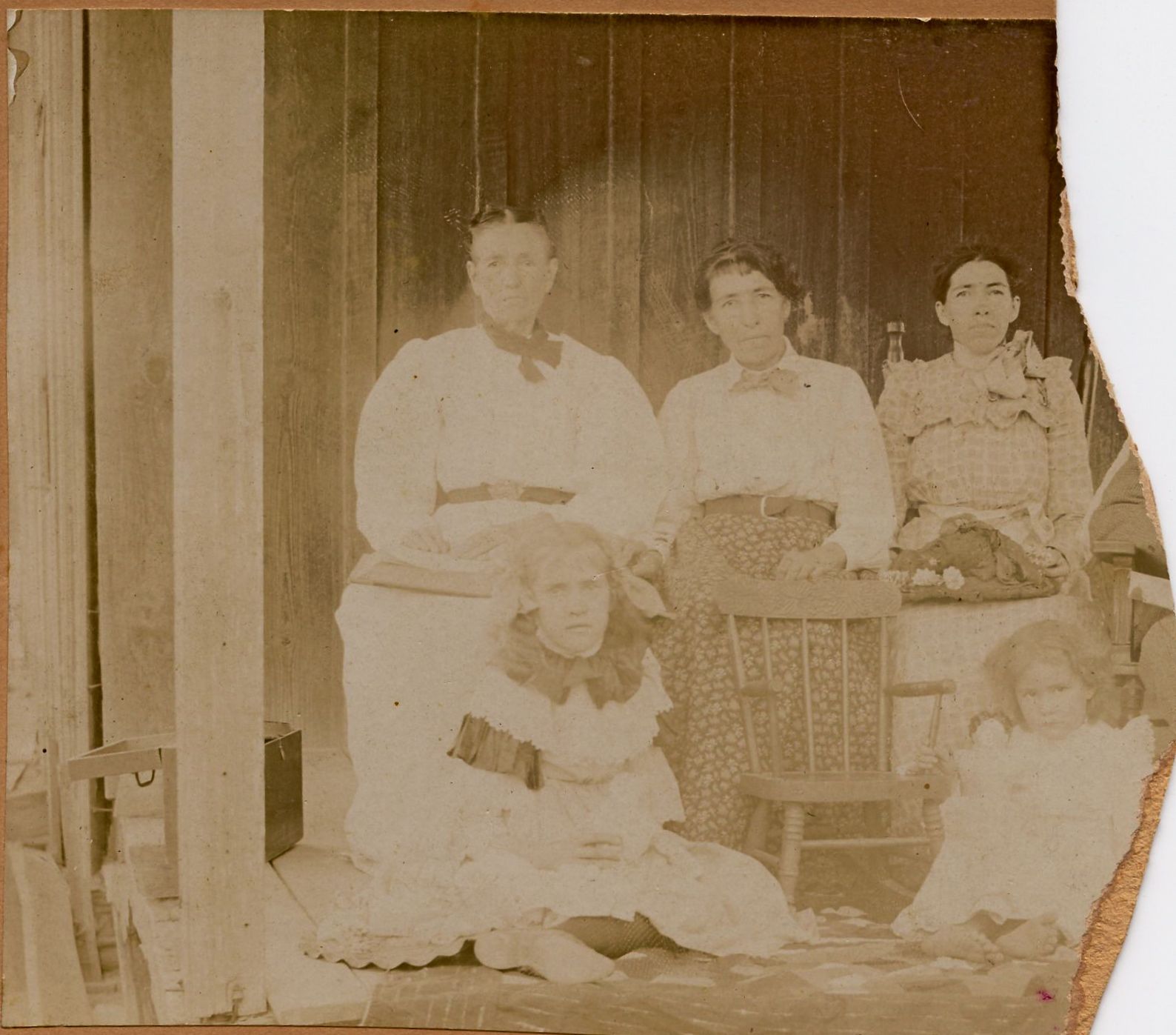
Sissie, Bigma and Bama in rear; Big and Jessie in front; Anderson West cut out of photograph on right edge

[Note: For those who may have tuned in late, here’s a primer on Who’s Who in Sara’s memoirs. “Mama” is Jessie West Evans, the mother of Sara, Tiny and Mamie (and later, Son and Tricia). “Big” is Olive West Stott, Jessie’s older sister and Sara’s aunt; her husband was “Uncle Roy,” Roy Stott. “T.C.” is T.C. West, Jessie’s brother, who died before Sara was born. “Bama” is Thedorene Chavis West, Jessie’s mother and Sara’s grandmother. “Bigma” is Margaret Sproles Chavis Alexander, Jessie’s grandmother and Sara’s great-grandmother. I hope that’s helpful. The rest of the characters in this blog are as much a mystery to me as they probably are to you. Good luck.]

“One time Bigma’s sister Pan and Bigma went with us [to Holmes County]. When we got to the old home place Mama would show us where she and T.C. played under a tree, and she told about the one room school house where they went each day. At one time the teacher lived with them. They would walk some distance to the school and take a lunch with them. She always remembered the sausage biscuits.

“Bigma’s sister, whom they called Sissy, did not live far from them in a log house. Mama loved Sissy and once wrote under a picture of her, ‘our beloved Sissie, Miss Sarah Jane Sproles, older sister of Bigma. Was never known to do or say anything unkind. Her life was dedicated to caring for her parents and younger sisters and brothers, their children and grandchildren, and she was adored by all. She saw her only three brothers march away to war, two to be killed and one returned in broken health to not live long. She was never heard to complain and was a true Christian. Lived with Bigma until death with heart attack in Durant about 1906, aged 72. Buried at Macedonia.’

Unidentified church from Evans album, possibly Macedonia

“Bigma, Margaret Ann Sproles Chavis Alexander, was born October 5, 1845 in Holmes County. Bigma was thin and would never have won any beauty contests. The lines in her face probably portrayed the hardships she had faced in her life. Her family had come from South Carolina to Mississippi in an ox drawn covered wagon before the Civil War and before she was born. One of the children, three-year-old Ann, died along the way and was buried somewhere along the road between Mississippi and South Carolina.

"Bigma," Margaret Ann Sproles Chavis Alexander

“Bigma had five other sisters and three brothers, two of whom were killed in the Civil War. She married Harmon Chavis, who died when their daughter (Thedorene, or Bama) was only thirteen months old. Later she married Henry Alexander, who died of tuberculosis in 1887. They had one son, Henry Ward Alexander (‘Bud’); he lived in Grenada, and I only remember seeing him on a few occasions. He and Bama were never very close.

Bigma with Sara, 1921

“Bigma was funny, and you never knew what she was going to say because she said just whatever came into her mind. She dipped snuff, as did a lot of old ladies back then, and this greatly embarrassed Bama.

“Mama always told us that she (Mama) was reading when she was four and that she could spell everyone else down later on in school in Durant. We would tease her because when any of us did well in school or any of her grandchildren, she would remind us where those good minds came from. Though they did not have very much while growing up, Mama was very nostalgic about her life as a child and would often say, ‘I would like to be a little girl in the country again.’ I did not understand this until many years later when I realized that part of her desire was to go back to simpler times, with fewer responsibilities and worries, and maybe we all have a little of that in us when we remember those happy carefree days.”

If you live long enough, life always circles around to where you began, at least in your mind. Sara wondered at her mother wishing for a simple life again as a child in rural Holmes County. That meant, of course, crude housing, outhouses, limited cultural experiences, one-room schools and all of what we would consider extreme deprivations. But those very things meant serenity and simplicity to Jessie. For Sara, as she aged, the Strong Avenue bungalow and the Stott house on East Washington were her equivalents: Tangible reminders of a time when there were no insurmountable problems and life was sweet and safe and full of adventures and potential. I’m grateful that neither of those houses were torn down or even seriously neglected in her lifetime, because they held so many wonderful memories. We should all be so lucky.

Posted in Uncategorized | 6 Comments

Holmes Sweet Holmes

Tiny, Sara and Mamie, perhaps in Holmes County

“Sometimes Big and Bama and Mama would take us to Holmes County where they had grown up about six miles southwest of Durant. We would go to Macedonia Church, a small country church which they had attended and where some of their family were buried. We would take a picnic and pick black-eyed Susans, little yellow flowers with dark centers which grew everywhere. They would reminisce and tell stories about the past. Mama told us lots of stories about her schoolmates, who had names such as Willie Cooper, Alma Pritchard, Thela and Venable. Some of them were her cousins.

“She loved to brag about her Daddy’s family, the Wests, who before the Civil War had been one of the more affluent families in the area, and about Uncle Madden West, who had been president of the Mississippi Central Railroad (now the Illinois Central), a candidate for Vice President and a general during the Civil War. She would tell us about her Daddy, who was at Ole Miss with his horse and slave when the war started and how he left there to join the Confederate Army.

"Uncle Madden," General A.M.West (maybe)

“Their family, like most Southern families, did not recover financially after the war, and her Daddy apparently struggled to make a living out of the poor hill country of Holmes County. She pictured him as a disillusioned person, better educated than her mother and probably bored with the life he led. He was 48 when he married and 53 when Mama was born. Mama was always sorry for him because he had been deprived of the way of life he had always known.

“There were twelve children in his family so Mama had loads of first cousins. She liked to tell us about her childhood and how she and T.C. played together and how she loved her dolls. She said they didn’t get much for Christmas each year but that she was excited to get a book, a doll, and some oranges. They read the Commercial Appeal, their only source of news, but the news was about a week late when they got it. They would go to Durant or Lexington in a wagon pulled by horses.

Holmes County Courthouse, Lexington

She liked to go to Lexington to see Aunt Sally because she and her family apparently fared better than my grandfather West. Aunt Sally would send Mama books.”

There are several old homesites on our Holmes County property, just west of West, and my son found another section of brick foundation last week that will have to wait until the snakes hibernate before we can explore it. I sit on the pier and look around at this breathtakingly beautiful land and wonder about my West and Sproles ancestors, who came to Mississippi on a wing and a prayer. They wouldn’t have chosen the land we have, as its soaring hills and heavy forests would have been useless for cotton or cattle, but I know they were close by and remain in this oft-maligned corner of Mississippi in spirit. Jessie, my grandmother, never lost her wistful memories of Durant and Castalian and those trips into Lexington. There was a little store on Highway 17, near the Franklin mansion at Flowers (and that was Flowers….there was nothing else. When the mansion burned, Flowers, Mississippi, vanished.) Jessie would tell me stories of stopping their wagon there and going in to get sugar cookies, then continuing on to the metropolis of Lexington. On one of my college drives from Greenwood to Jackson, I took a picture of that old store and the Lexington courthouse and had them framed for Granny. She cried when I gave them to her, and I think those tears were as much from knowing that anyone still cared about that lost world as from the memories that they invoked.

When you drive past the Franklin House site in late February or early March, the slope is covered in bright yellow daffodils. Somewhere southwest of Durant, I suspect daffodils sprout every year in the dirt where Jessie and Big and T.C. played, and I hope whoever owns that spot picks them and enjoys them and knows that this is sacred ground.

Ed. note: Other than a sketchy connection to Lord Delaware (which my father found hysterical), our only illustrious ancestor was Absalom Madden West, Jessie’s great-uncle on her father’s side. “Uncle Madden” opposed secession but wound up as a brigadier general in the Mississippi militia and later served as president of the Mississippi Central Railroad as it was being rebuilt during Reconstruction. He lived in Holly Springs for many years and provided our family with our only Greek Revival connection, the Salem Street mansion now known as Athenia. The photo above was found on Wikipedia and I have serious doubts about its validity; it looks more like Ulysses S. Grant to me, and he was definitely not a relation.

Posted in Uncategorized | Leave a comment

More Portraits in Time

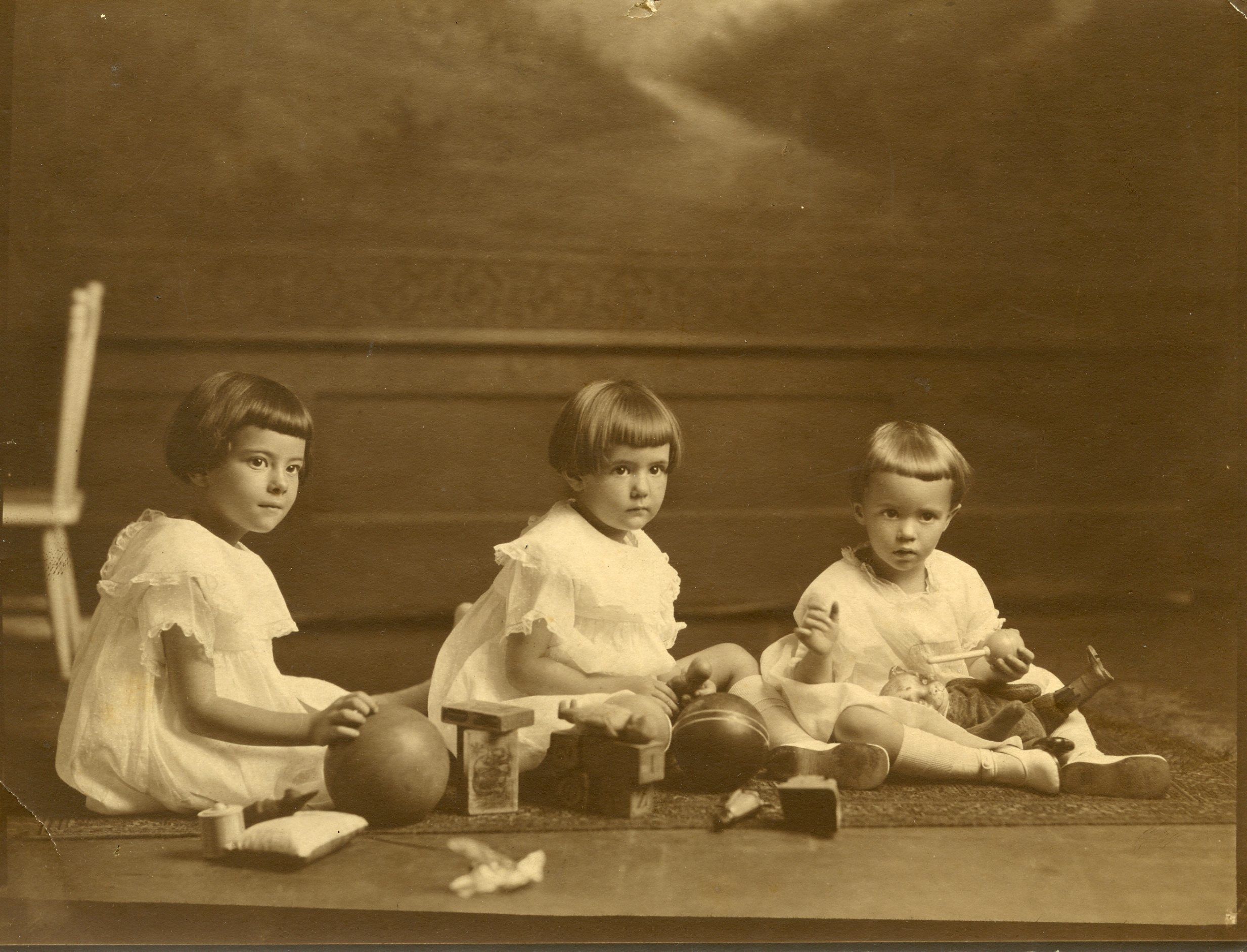
Tiny, Mamie, Sara at Spurrier studio

Only Tiny shows the slightest hint of a smile. Mamie looks very pensive and Sara is stunned. What in the world was going on behind the camera? In their casual shots, these girls are generally all giggles, but they had been dolled up into submission for this session. And only Sara could love a doll as creepy as the one in her lap.

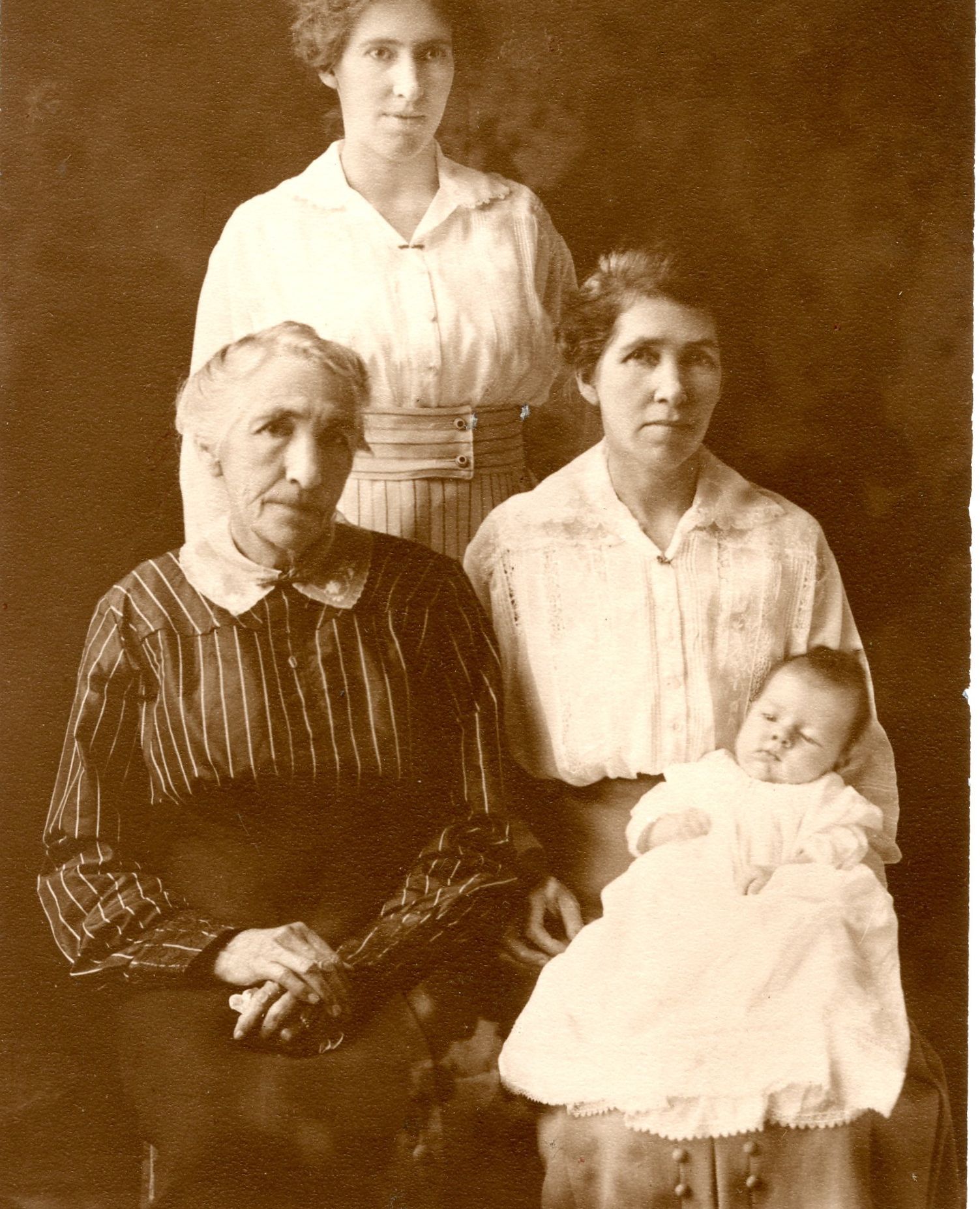
Bigma, Bama, Big and Rena, probably also at Spurrier studio

Did Mrs. Spurrier discourage smiles? Or did we just have a naturally solemn family?

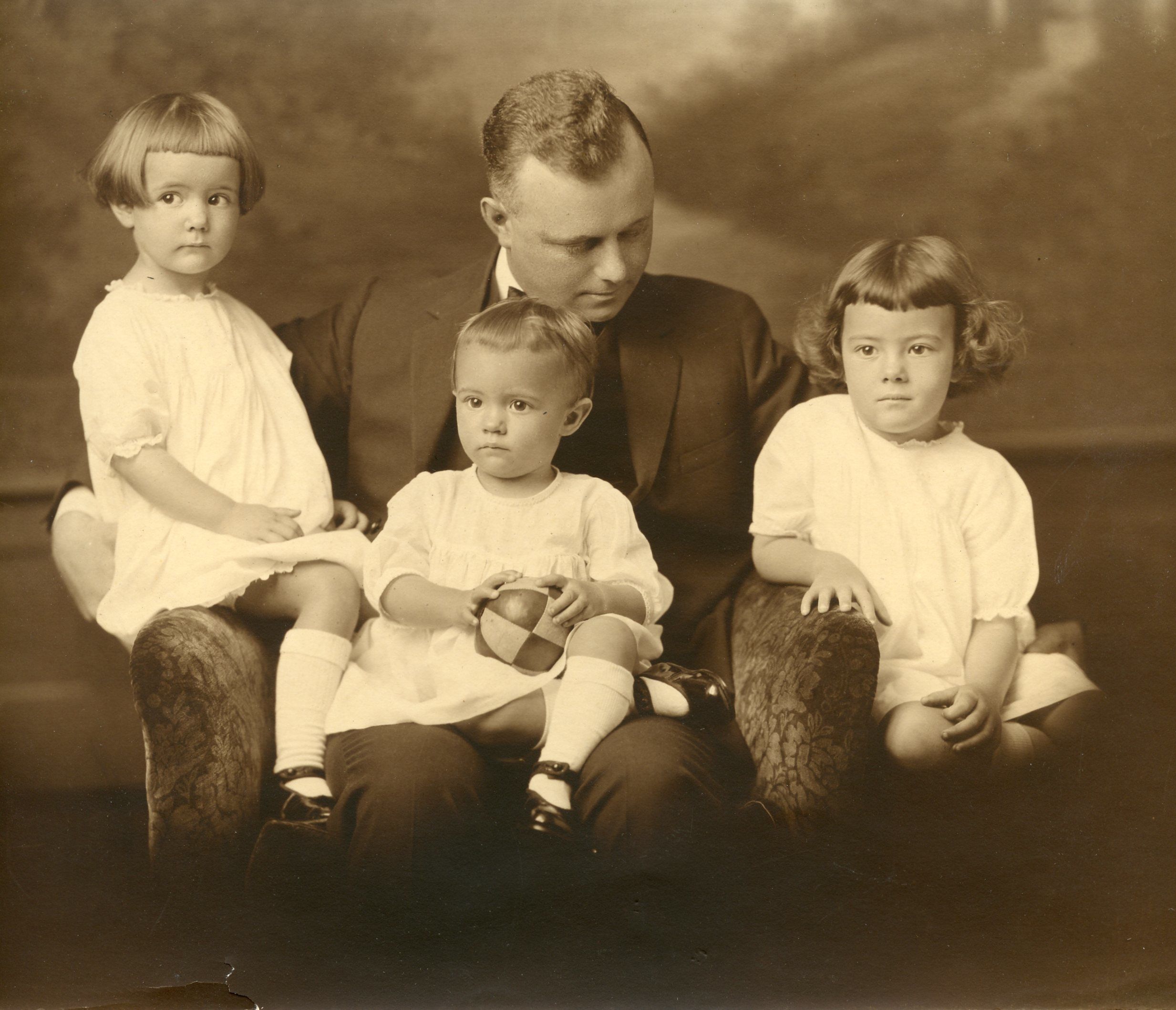
Howard Evans and his girls

This was one of Sara’s favorites, as it is mine. An interesting study in hairstyling contrasts: Tiny has been pincurled and primped, Mamie with bangs like a tiny flapper, and Sara appears to have had a kitchen bowl and scissors applied to her hair. Still no smiles, but the girls are safe with their father. I believe this picture must have been take a few months or a year before the one above. And isn’t it odd how Mrs. Spurrier captured Howard? He’s not really looking directly at any of the girls, but the effect is one of complete contentment and paternal calm, gathering them in toward him for protection. A kind and gentle man who would have been a perfect grandfather.

Posted in Uncategorized | Leave a comment

Portraits in Time

Mamie and Tiny, looking cute

“We did not have any organized recreational programs when we were little, no television or air conditioning, so we had to organize our own playtime. We stayed outdoors much of the time since it was cooler than the inside. Mama always had a hard time making me wear clothes. She said I wanted to stay in my teddies (a little one piece underwear she had made) all the time. Then I wanted to wear an old funny long bathing suit that came down over my knees.

Sara, looking even cuter

“Mama loved to dress the three of us up and thought that everyone was saying ‘Look at those cute little girls.’ She thought everyone would be envious of her with three little girls. We were really very average looking with short hair and bangs.

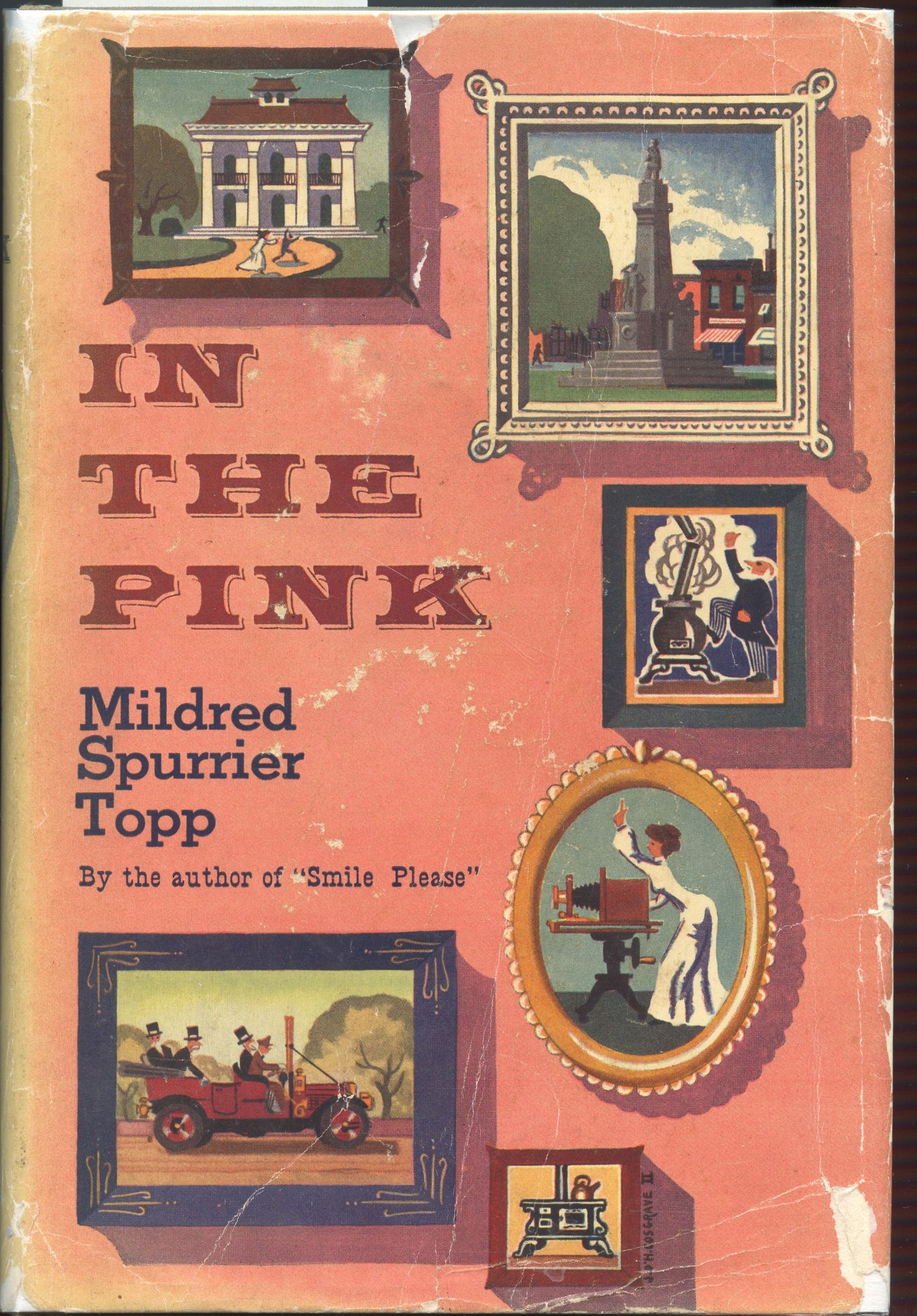
“Mama took us to Mrs. Spurrier’s Studio to have our pictures made. Mrs. Spurrier had about the only studio in town, and I am sure she took a picture of nearly every kid in town during the years that she had her studio across from the Court House. In later years, her daughter, Mrs. Mildred Topp, wrote a best seller, Smile Please, which was about her mother and about some of the characters around town. She gave them fictitious names, but they were easily recognizable.”

The Spurrier portrait: Mamie, Tiny and Sara

I think Sara and Lillian Spurrier would have been soulmates. Mrs. Spurrier remains a legend in Greenwood, immortalized by her daughter, Mildred Topp, in two of the funniest, most endearing books imaginable: Smile Please (1948) and In the Pink( 1950). She was a talented, indomitable divorcee who carved out a career for herself when women just didn’t do that. An Illinois native, abandoned by her husband just before Mildred was born, she apprenticed with a studio photographer in Alabama and decided that Greenwood was just the ticket to success. In 1906, Greenwood was exploding, growing faster than any other town in Mississippi and boasting a massive new courthouse, castle-like elementary school and dozens of new houses and churches going up. Lillian set up a studio in the downtown post office (now the Whittington Building at Fulton and Market) but soon had her father underwrite the construction of her own two-story studio closer to the bridge. By the time Jessie climbed those still-extant stairs with Tiny, Mamie and Sara in tow, Mrs. Spurrier had been clicking away for nearly twenty years and was the acknowledged master of Delta children’s photography. She would continue until the 1940s, and she left a visual legacy that resonates through Greenwood even today. I cherish that quiet photograph of my mother and her sisters, carefully posed around a little table with a few toys, their hair perfectly combed and their best dresses unsullied by the day’s grit and grime. It’s just so gentle and so lost, a world of small girls who were so cherished and protected, with their whole eventful lives ahead of them. Tiny is very much in charge, fingering one of the toys, and Mamie and Sara are clearly entranced but frozen by Jessie’s out-of-sight raised eyebrow. Wouldn’t you love to step into the scene once the camera was put away? Something tells me that a free-for-all developed fairly quickly.

Posted in Uncategorized | 2 Comments

Jesus Wants You for a Sunbeam, But Only if You’re Baptist

Jessie on right with ?Tiny and unidentified friend, walking home from church.

“We attended First Baptist Church and always went to Sunday School and to the Sunbeams which met on Monday afternoon. Mama helped out in the Cradle Roll Department and the Beginners Department. From there we went on to the Primary Department and the Junior Department. On promotion day in September we moved up to another class or department and it was always a big event because we got to march up to the front of the church. Promotion Day always called for a new dress, just like Easter.

First Baptist Church, Greenwood

“Dr. Edward J. Caswell was the minister. He stayed in Greenwood for more than twenty years, and we [Sara and Criss] were the next to last couple he married before he retired and moved back to Kentucky. He was a very handsome bachelor who lived at the Irving Hotel, and he got a lot of Sunday dinner invitations from the ladies in the church.

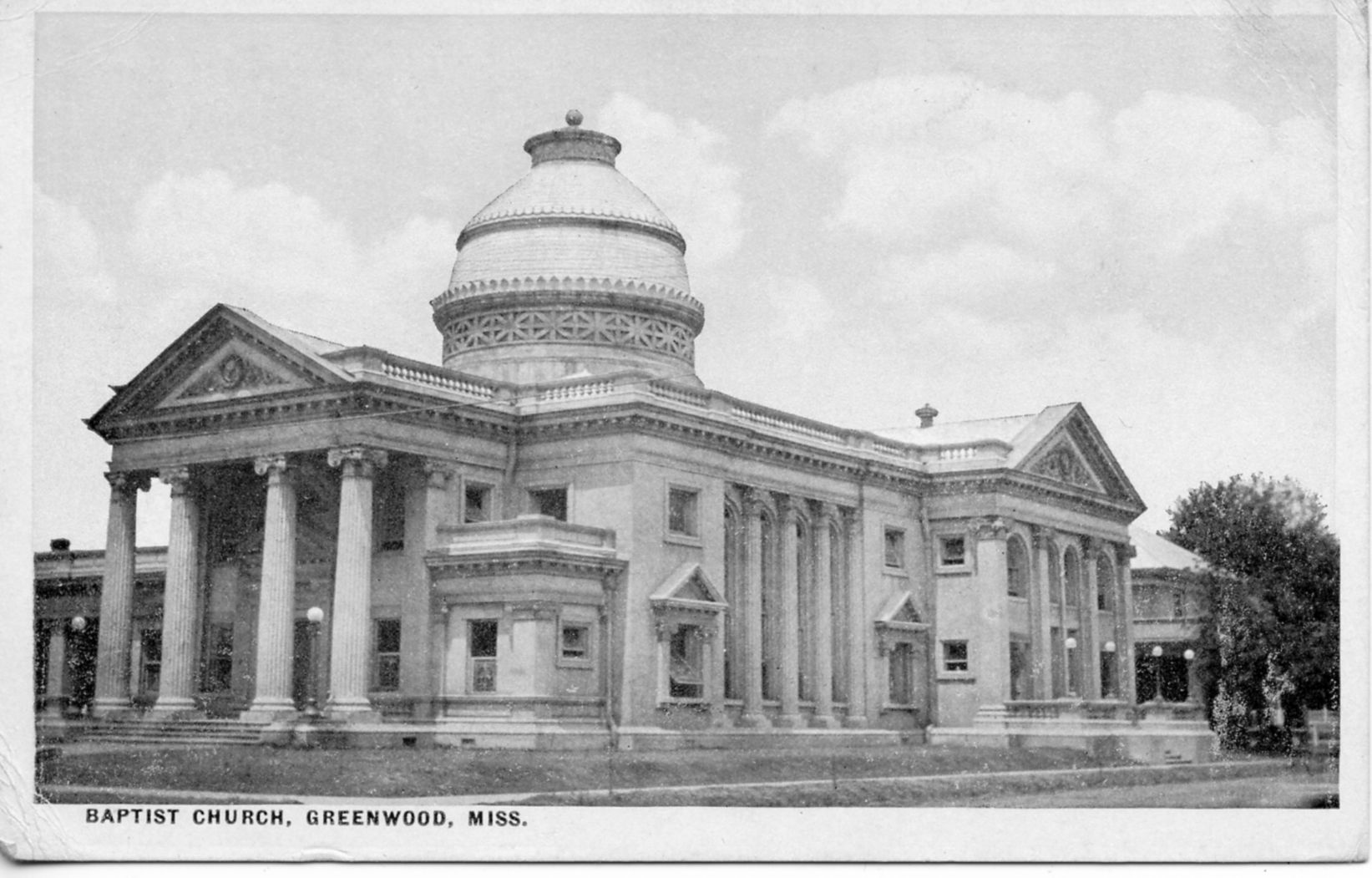
“The sanctuary, which was built in 1910 and torn down a few years ago, had a great big dome with lights all around the inside of it, and when I went to church with Mama a few times I spent most of the time looking up at that big dome and at the stained glass windows, which had pictures of Jesus on them. In the summer time we went to Bible School and came home with all kinds of things we had made, and at Easter we had egg hunts at the church.”

Sara, the granddaughter of a Methodist preacher, was a Baptist at heart all her life. Just not one that found it necessary to darken the doors of the church, but she was at peace with that decision. Jessie raised her children in Greenwood’s landmark First Baptist building and never forgave Sara for caving in after marriage and becoming a Methodist for Criss’ sake. He was no door-darkener, either, but they made sure Cathy and I were pinafored up and dropped off at St. John’s bright and early every Sunday morning. Sara did take a turn keeping the nursery and doing riot control in the pre-school department for a time, but gave that up for good after one of my friends bit her. I fled Methodism for the Baptist church at an early age and backslid to Episcopalianism a few years ago; Cathy went Presbyterian in high school and never looked back. This may be the day that the world is supposed to end, but I figure we’ve got all the ecumenical bases covered.

Ed. note: I have a photo of Dr. Caswell, but it’s hiding, and I will post it when it surfaces. He served FBC from 1925 until 1946, which must be a record of some sort.

The original Baptist sanctuary in Greenwood was on Howard Street, just behind the old Post Office and across from the Church of the Nativity. It was a Gothic frame structure, built in 1895 and used as a boarding house after the 1910 sanctuary was finished. Appropriately, the “Super Soul Shop” is now on that site. There’s some irony there, but we’ll not pursue it.

The West Washington Street FBC, considered by architectural historians to be a landmark ecclesiastical structure, was completed on land donated by Dr. and Mrs. T.R. Henderson a block west of their home. It was a truly inspiring sight, inside and out, and the loss of that silver dome was tragic. A nearly identical Baptist church still stands in Shreveport, Louisiana.

Posted in Uncategorized | Leave a comment

Sonny Boy and Sweet Tooths

“We had a Victrola in our living room. It had a handle on the side, and you had to wind it up to play records. We didn’t have a lot of records and we would play the ones we had over and over again. I had to stand on something to reach the top where the record went. I particularly remember ‘Bye Bye Blackbird,’ ‘My Blue Heaven,’ and ‘Among My Souvenirs’ (which Mama said reminded her of her courting days in Memphis when she was going to business school.)

Jessie in her Memphis days at Macon and Andrews Business College, circa 1913

Daddy brought us a record from Jackson from an Al Jolson movie. The song was ‘Sonny Boy,’ about a little boy who died, and we would play it a lot and get real sad. On the other side was Jolson singing ‘Rainbow Around My Shoulder,’ and that was a happy song.

“We bought a piano, and Tiny started taking music lessons. I later too lessons for three years, but none of us became musicians. Radio began to appear in the 1920s, but they were not like today’s radios. They had a big horn, and you had to put on earphones to hear the scratchy sounds that came out. They mostly played music. We had one, but it was not very satisfactory.

“Sunday afternoons there was not much to do, so Daddy would take us for a ride and to get a drink or ice cream cone or an Eskimo pie. Sometimes we would get candy bars. Mary always wanted a Baby Ruth, but I liked Milky Ways and Snickers. There was an ice plant on Fulton Street, where the Greenwood Utilities office is now, and also an ice cream factory. Every Sunday we would stop by there after Sunday School and get a bucket of ice cream for Sunday dinner, which was always special.

Mary and Sara on the swings

“We always had birthday parties, and mine was usually something to do with Easter since my birthday fell around that time. Mama used all sorts of ideas to make them fun, and I remember on my seventh or eighth birthday she hung a sheet up, and the children fished for Easter favors. One time for Tiny’s birthday she put little baby dolls in blankets on a clothesline and the children chose them for favors.

“That was the party which almost broke up when Buddy Stott fought in the ditch across the street with a boy named John Seng, who had spotted him as the only boy at the party and called him a sissy. All of the girls lined up to watch them roll in the ditch. Buddy had a bad temper and was always getting into a fight.

Buddy with Rawa, Tiny, Mamie and Sara

Boys used to fight all the time at school, and the other kids would form a big ring around them to watch. One time Rawa [Rena Stott, Buddy’s older sister] had to call Uncle Roy at the light plant to tell him to come quick, that Buddy was going to kill Webb DeLoach, a boy he was fighting with. We always got a kick out of going to the Stott’s house when Buddy was being punished by Big giving him a dose of Castor oil or Milk of Magnesia and putting him to bed.”

Uncle Roy and Buddy

Victrolas and cabinet radios, Sunday afternoon rides for ice cream. Imagine three little girls in their Sunday best, piled in the back of a Hupmobile with no seat belts, anticipating their arrival back on Strong Avenue for Sunday dinner. My suspicion is that Sara was in the ice cream before Jessie had even put the beans on to simmer. She had the most insatiable sweet tooth of anyone I’ve ever known (yes, Emily, even more than you) and believed that there was no food that could not be improved with a spoonful or six of sugar. She would hop out of bed at 3 in the morning to get in the kitchen and begin baking. Baking, not cooking…..There were so many mornings when we awoke to the aroma of chocolate pies or red velvet cake or bake sale cupcakes. When I set up my first apartment, Sara carefully typed out her favorite recipes for a cookbook that I still have. There are maybe 4 recipes for “real” food and dozens of cookies, cakes and pies. It’s a wonder Cathy and I weren’t diabetics in diapers.

Uncle Roy and the Stott clan are a long story for another day. Suffice it to say that if Buddy was devilish, his father was a saint. He saved Jessie’s family and was a gentleman in every way. Much more on Uncle Roy, Big, Rena, Buddy and John later.

Ed. note: Milky Way bars were invented in 1923 to capitalize on the milk shake craze. Snickers didn’t come along until 1932, but I imagine Sara snatched the first one in Greenwood. She later became a Goo Goo Cluster fiend.

Posted in Uncategorized | Leave a comment