Simpler Times

Frankly, my dear, I don't give a hoot.

“Most children growing up in our day were not exposed to bad words, and Mama would have died if one of us had said ‘damn’ or ‘hell.’ ‘Only very common people talk like that,’ she told us. Four letter words were unheard of in our small world, and in the movies they could not even show a couple in bed together, much less have them use any dirty language. They were all very censored, and there were no magazines like Playboy or Penthouse on the newsstands. They did not need ratings for the movies because even the suggestive ones meant nothing to innocent little us.

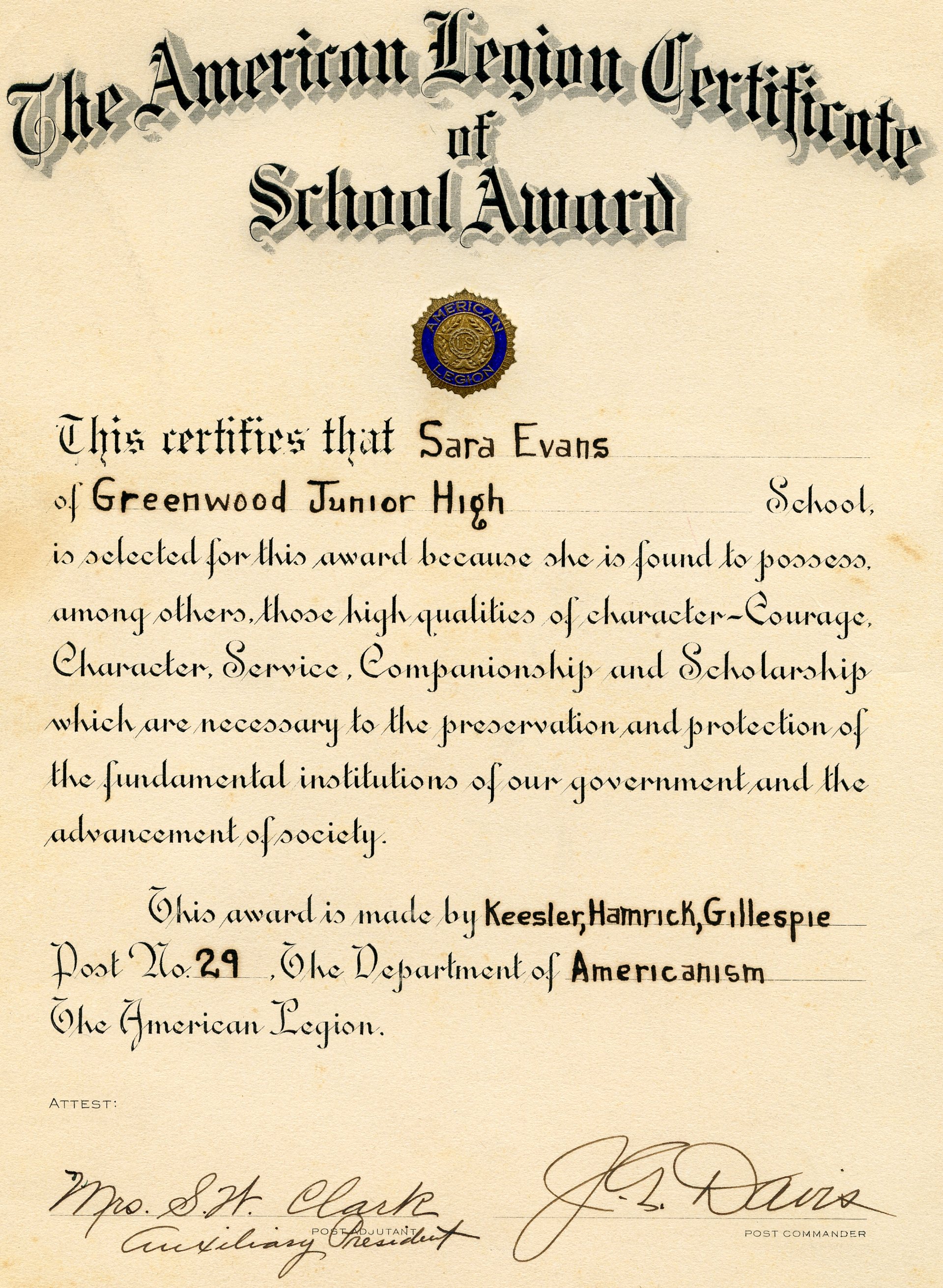
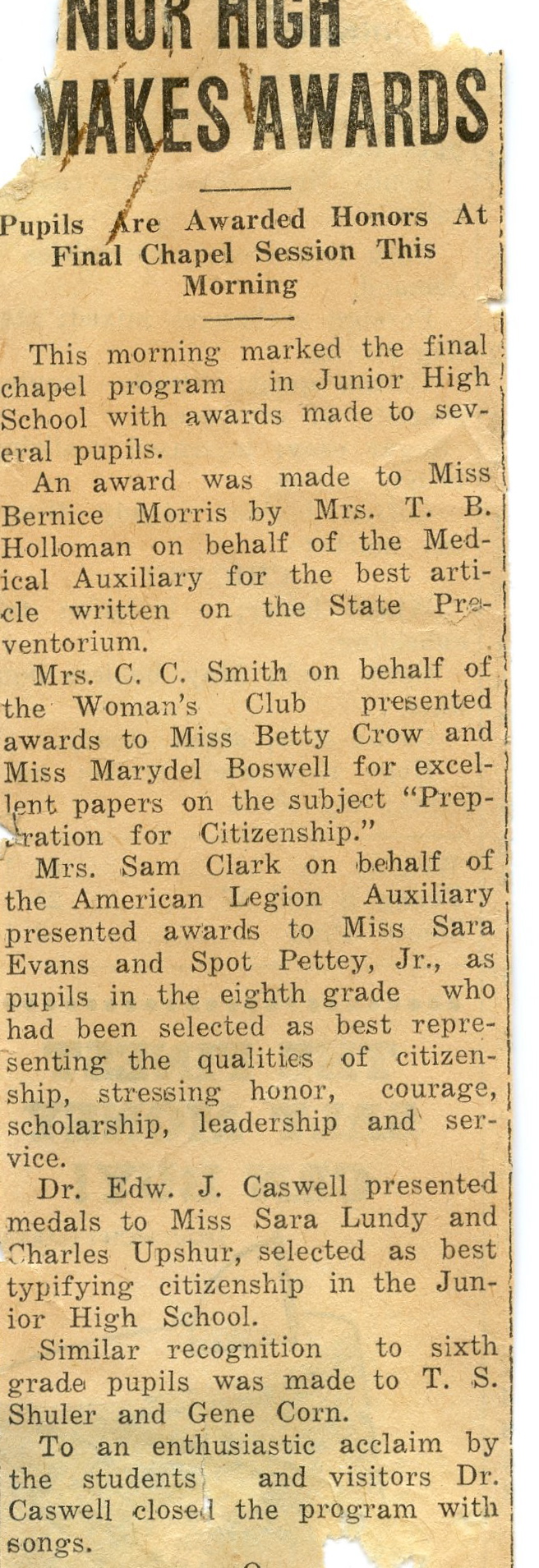
“In the eighth grade I received a medal from the American Legion for being the best girl citizen in my grade. Spot Pettey, my old friend from first and second grade, was named the best boy citizen. We had assembly in the study hall, which had a stage up front, and Spot and I were called up to receive our medals. The Congressional Medal of Honor would not have seemed a bit more important to me, and I still have my medal and the certificate I received.
“Spot and I remained good friends throughout our years in school, though I only saw him once or twice after we graduated, the last time being at our 20th class reunion, when we sat together. He died in a fire at his home somewhere in Texas many years later.
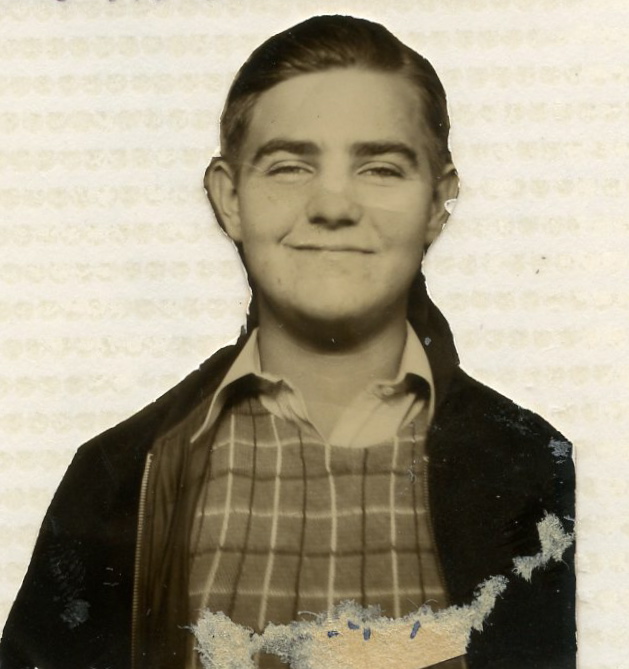
Spot Pettey, good citizen

“In the spring of 1934 we celebrated the founding of Williams Landing, which later became Greenwood. There was a big pageant at the high school auditorium, and a log cabin was built on the river bank to hold exhibits.
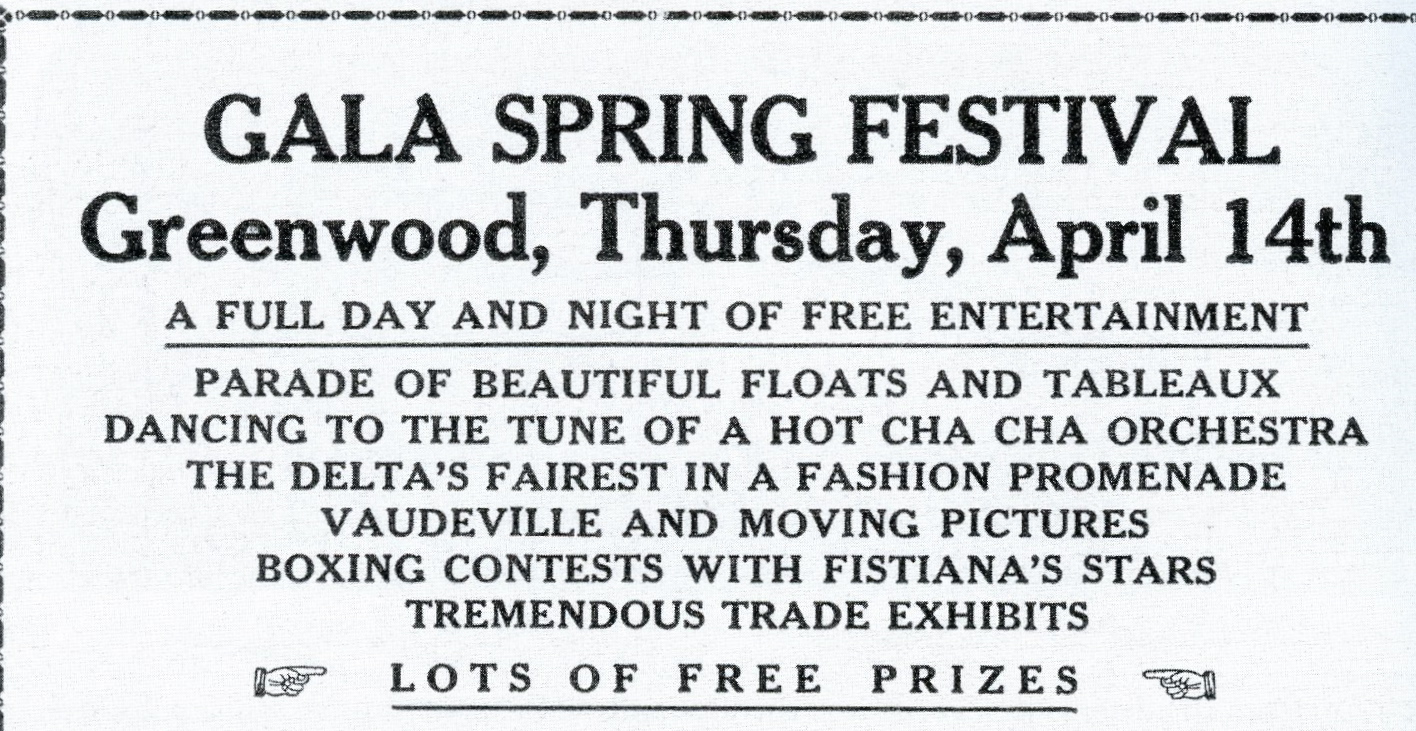
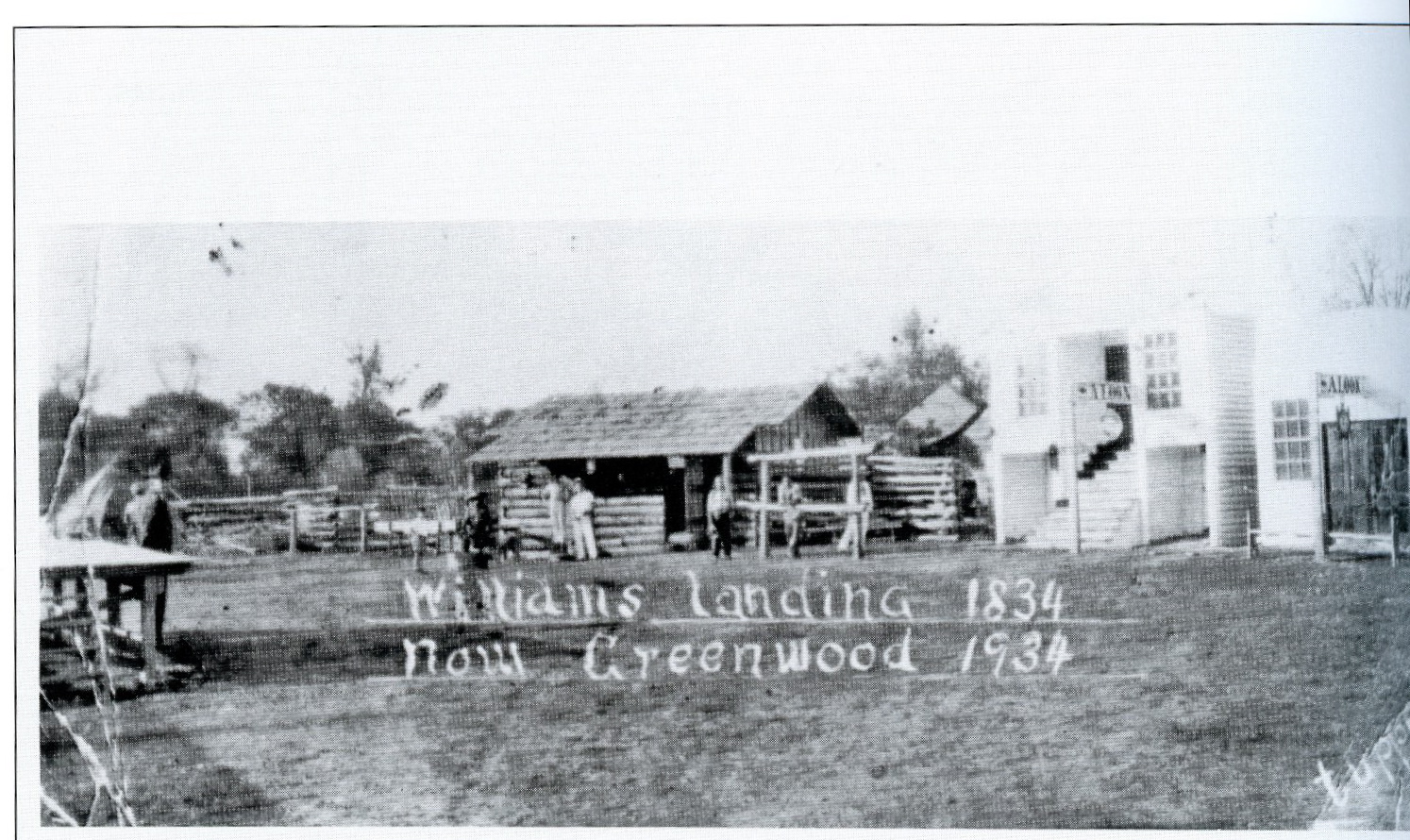
The recreated 1834 Greenwood, on the site east side of Walthall by the river.

The cabin was later moved to the end of Mississippi Avenue and was a teen hangout for many years. There was a big dance at the high school during the celebration, and the whole town was upset when a boy named William Vardaman ran out in the rain with his head down and ran right into the flag pole on the east side of the high school building. He died from the brain injury, and soon after that a little brick walk was built around the flag pole.
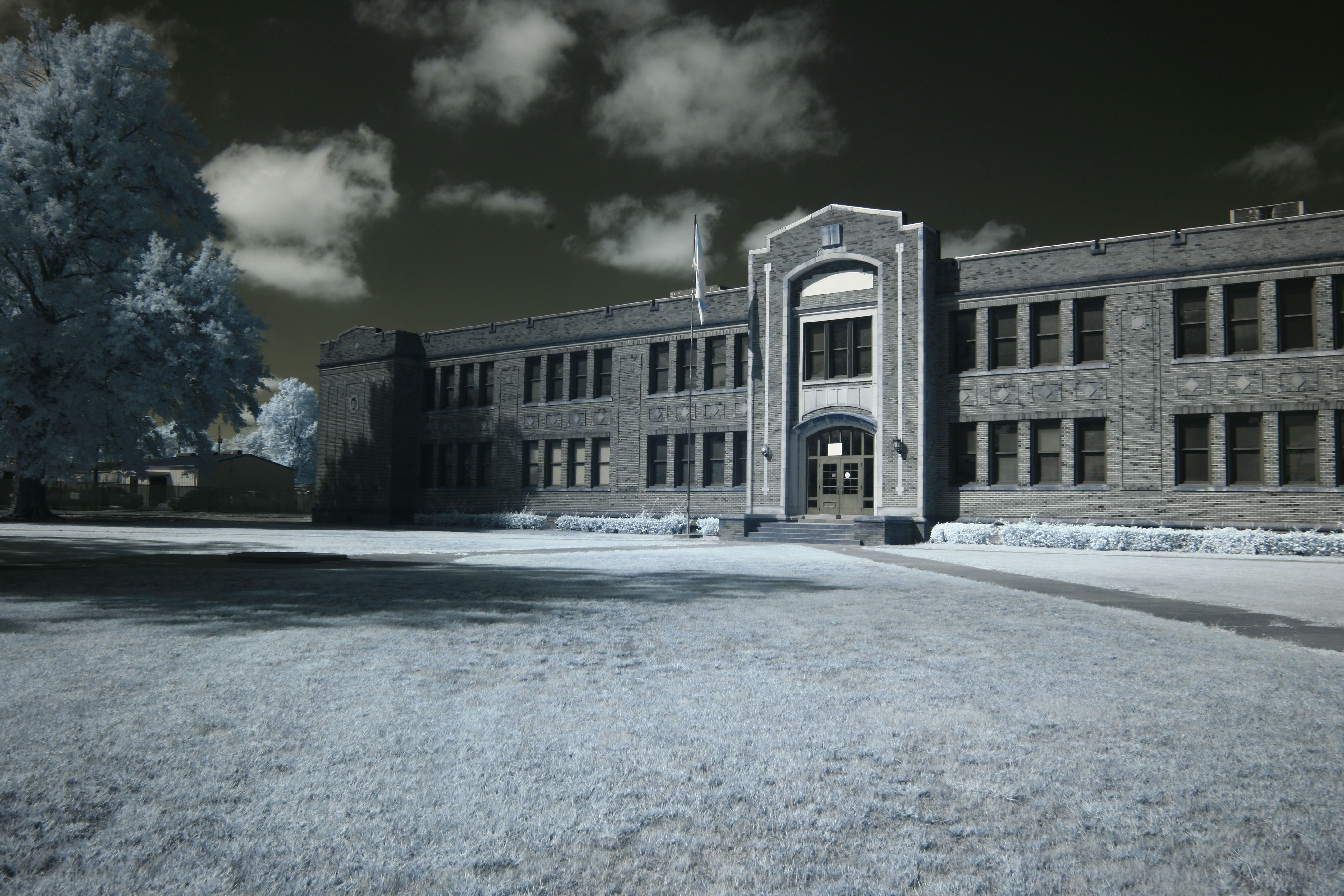
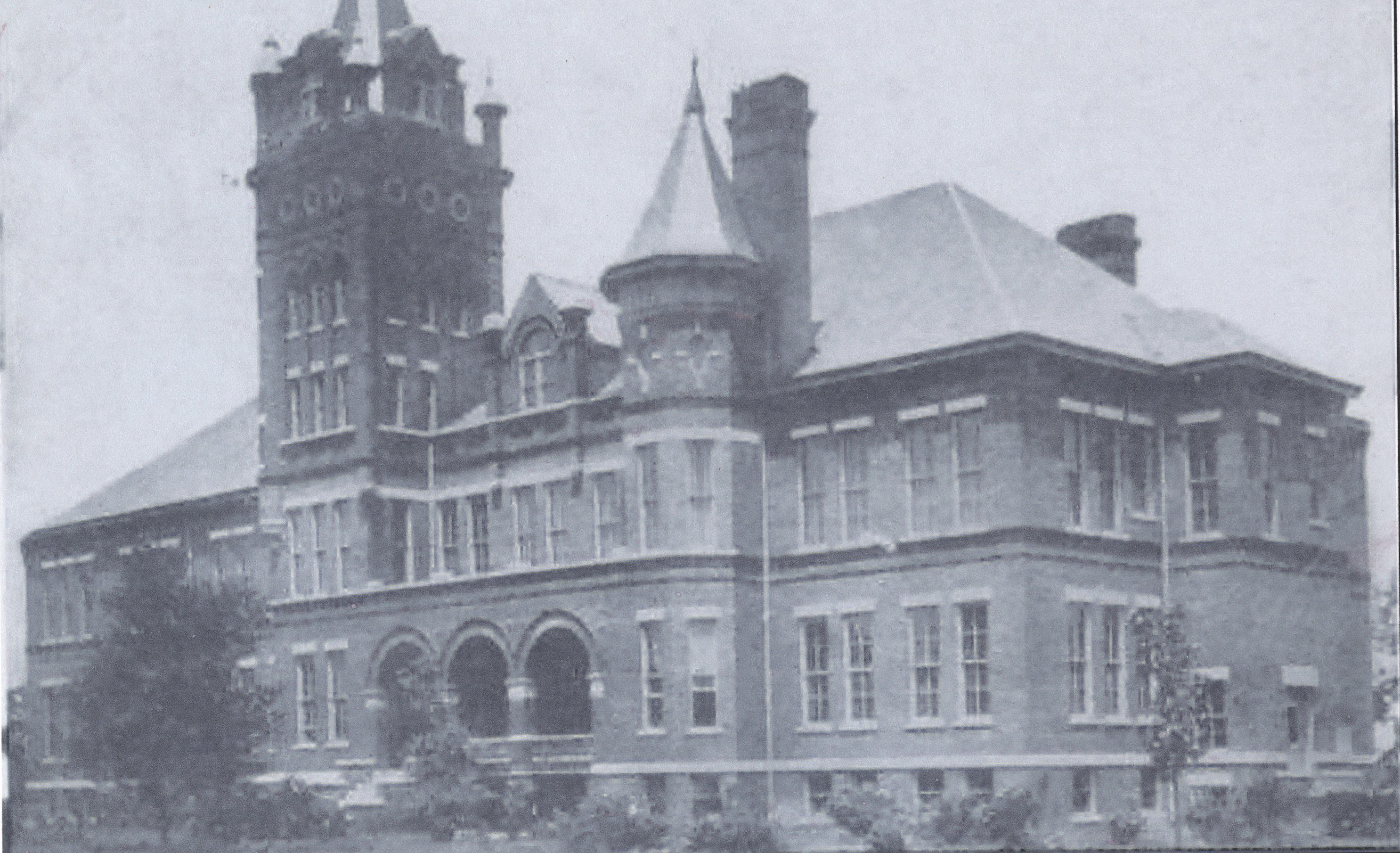
Old Greenwood High School. The flagpole has been moved closer to the building, but the little brick circle can still be seen on the sidewalk, left side of picture. Courtesy of Mary Rose Carter.

“There was a stadium at the end of Walthall Street on the river bank on the west side of the street. Here they had beauty contests, prize fights (boxing), and other shows. One time Nell Upshur, who lived down the street from us and whose father, Littleton Upshur, was editor of the newspaper, got free tickets to the prize fights and took me. We had a big time and wanted to go back, but I never got the chance.”
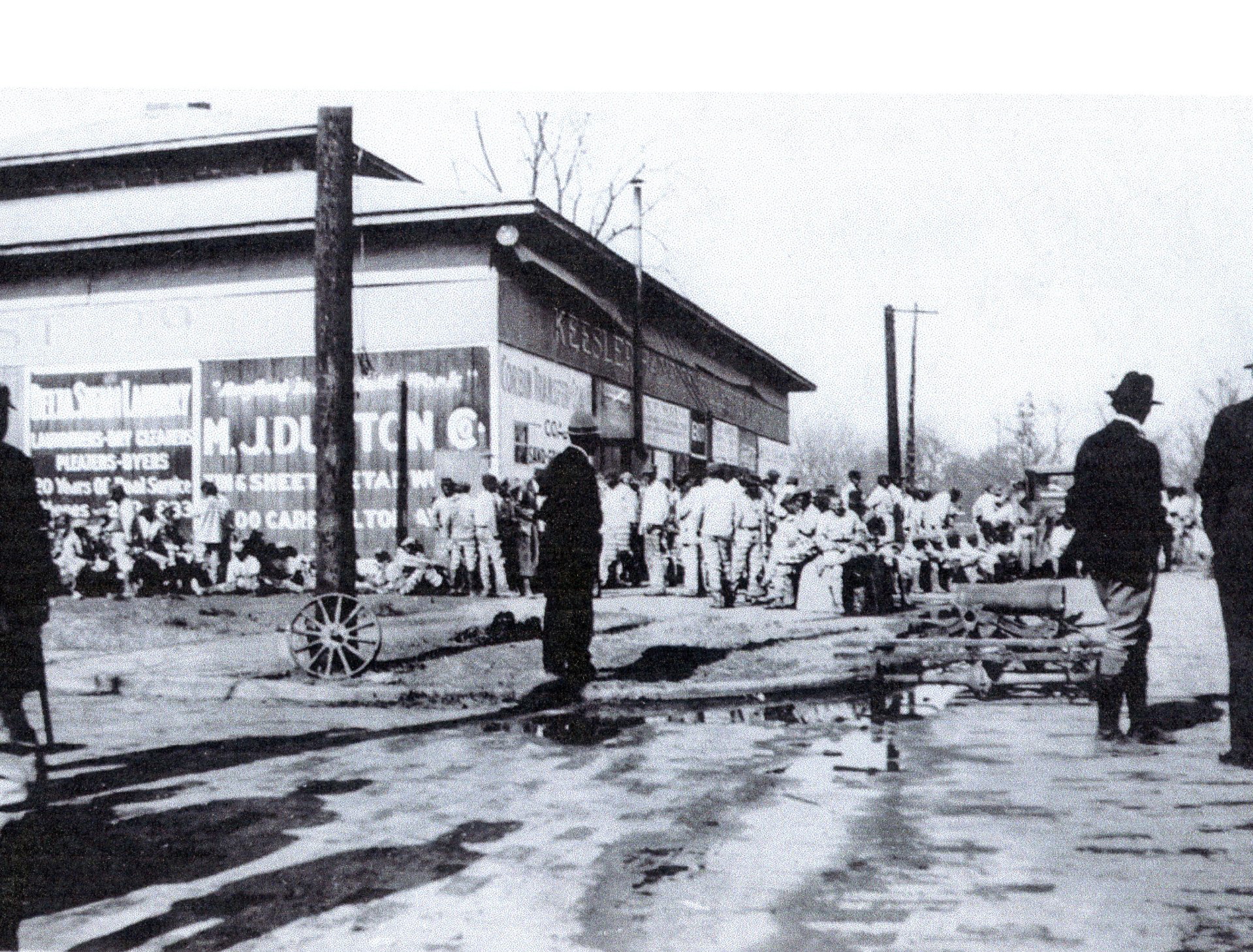
The old Keesler-Hamrick-Gillespie Stadium, now a parking lot behind the Viking Demonstration Center.

Sara’s memoirs offer us a fascinating glimpse into a forgotten world. My generation never knew that there was a 1500-seat boxing arena in what we always knew as the Ford dealership new car lot. It was completed in 1928 and gone by the early ’40s, vanished without a trace. Or that there was a recreated 1830s Greenwood riverfront just across Walthall, complete with saloons and log cabins and all sorts of idealized pioneer touches. I do remember, vaguely, that log cabin close to Whittington Park and I was fascinated with Sara’s story of the poor boy who ran headfirst into the flagpole. She would tell of his dash into the rain with great drama as we stood by the infamous pole and I assumed she was there that night when it happened. It’s a wonder hyper-vigilant Jessie ever let her children get near a flagpole again. You just can’t be too careful.

Posted in Uncategorized | Leave a comment

Sara, Meet Marjorie

Required reading for nice little girls

“Mrs. Miller [Lena White Miller’s mother] was older than our mothers and was not feeling well most of the time. Mama said she was having change of life but failed to explain to me what this meant. In fact, she did not explain to me any of the things that happened when little girls started to grow up, and sure enough it happened one night when I was spending the night at Lena White’s. I went to pieces. Tiny and Mary and Rawa had for some time been asking me if Mama had given me a little book called Marjorie May’s 12th Birthday, but no one had told me why I should read it.

“Mama always told us that ‘nice little girls’ didn’t discuss things like that, and we were told absolutely nothing of the facts of life. One day I overheard her talking to Bama about someone they knew who was having menopause. They were talking in hushed tones, and I knew that I had better not ask for the meaning of the word, so I slipped to the table in the front hall where the Encyclopedia Brittanicas were stored and looked the word up. I still did not know what it meant so for at least a while I remained a dumb but ‘nice little girl.’ They would have been horrified today at the mention of sex education either at home or in the schools.

"M" is for Menopause

“We were totally unaware that there were gay people in the world, and I think they were too until the mayor, [redacted], who was a highly respected gentleman who lived in the big white house across from the Methodist church, had to resign because of a scandal involving two baseball players. This was a little while later when I was about a junior in high school, when the Commonwealth came out with big headlines one day that the ball players had kidnapped the mayor and put him out of his car on the Malmaison Road. Then men then exposed him and said that he had picked them up at the Double Dip on Carrollton Avenue after a baseball game and offered to ride them around. We still did not understand but whispered with our friends about who else might be like that. Everyone was upset that [redacted] would have to give up his job as mayor, especially since he had such a nice wife and son. The wife soon filed for a divorce and the mayor moved to Indianola and we inadvertently learned another fact of life.”

One would think Sara would have learned her lesson with Jessie’s failure to prepare her for certain of life’s unpleasant surprises and adjusted for her own two daughters. Not the case. The “facts of life” remained unspoken for at least another generation, leading to some interesting incidents on East Adams. And we’ll just leave it at that.

Posted in Uncategorized | Leave a comment

Life with Lena

Sara and Lena White

“Lena White and I had a lot of fun together, but sometimes we had terrible fusses and one time when she had stopped by my house so we could go to the Saturday movie at the Paramount she made me mad, and I slapped her right there in our bedroom. We still went to the show, though. Another time Son, who was about five, chased her up to the corner with a butcher knife (to this day we don’t know how he got hold of it). We rescued her and, as I recall, he wasn’t even very sharply reprimanded since Mama said she probably deserved to be chased because she teased Son all the time.

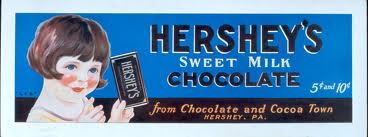
“Lena White’s family was having an especially hard time during the Depression. Her father did not have a good job and was raising tomatoes to sell to make a little money. She had a brother and sister who were much older than she, so she was spoiled because they would give her things whether they could afford them or not. One thing I remember liking about her house was that they kept Hershey bars there all the time to try to fatten her up, and occasionally we got fattened up, too.

“The Aron family, who had donated the money for the Nurses home on Strong Avenue, and who were kin to Lena White, were living in New York and they would send her clothes, so she dressed better than we did. I was very envious of her because even though they were living in an old frame house, she had her own room while I was sleeping in the room with Mama, Mary, Son and Tricia. One time she told me that I could share her room and pretend that I lived there. I took some little ten cent store pictures and a baby picture of Son down to her house so it would seem like it was my room too. I spent lots of nights down there, and she and I would invite some of the other girls over there for parties.”

It’s difficult to picture Sara slapping anyone or Son chasing Lena with a butcher knife. Evanses, as a general rule, are not a hostile bunch. Enough teasing can cause anyone to snap. Or enough crowding. To her dying day, Sara treasured her “space,” and really didn’t even like to have overnight guests. And who could blame her? Lena White lived at 404 East Market and her father, according to the 1930 City Directory, was in the insurance business. Which probably dried up when people had to choose between food or premiums. I hope he sold a lot of tomatoes.

Posted in Uncategorized | Leave a comment

Uptown Girl

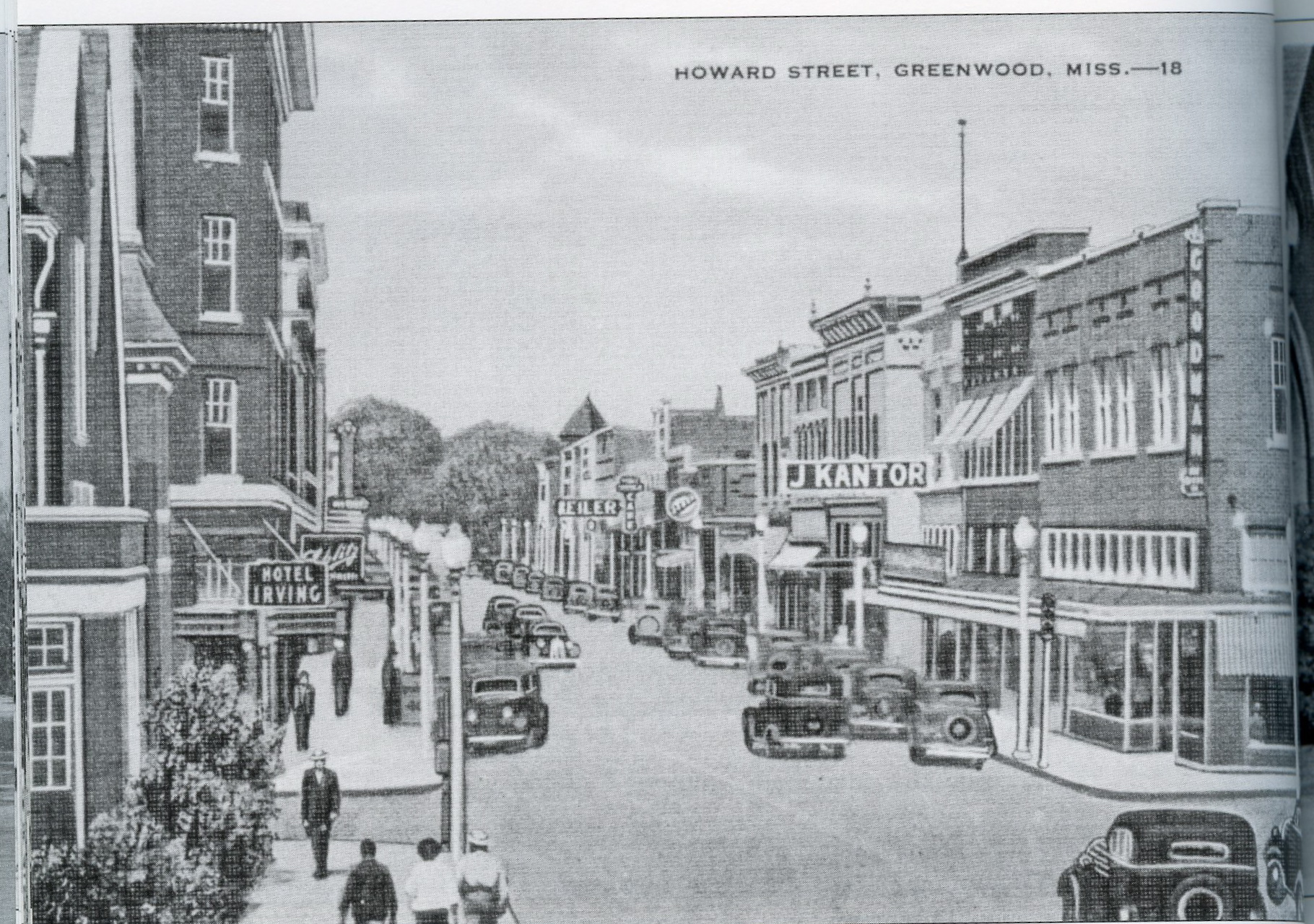
Howard Street in the 1930s. Sara would have likely been found in Woolworth's, on the right between Kantor's and Penney's. Postcard courtesy of Donny Whitehead, aboutgreenwoodms.com

“I really enjoyed being two blocks from Howard Street where all the stores were. Mama would never let us cross the street until we were half grown, but after we moved to Big’s house she decided it would be all right for us to walk the two blocks up town. Since I was always so keen on going to town, the others would round up their nickels and dimes and send me to the Jitney Jungle store, which was just down Washington Street, to get penny candy for them. At that time you could buy a big candy bar or five little ones for five cents.

“The picture show was in the next block and Woolworth’s about three blocks away on Howard Street. I especially liked being able to go to Woolworth’s because they always had an assortment of candy in glass cases, and for five or ten cents you could get a good bit in a little bag. Mary always accused me of gobbling mine up right away and then sneaking into hers, which she let lie around for a while before she finally finished it.

“In the summer we bought stamped linens, dresser scarves and little quilts and card table covers at Woolworth’s and we would sit around on the porch and embroider them. I don’t recall ever using any of them, but I think they were meant to go in our hope chests for use after we married. Some of them may still be tucked away in a drawer somewhere.

“A girl named Lena White Miller became my best friend in the seventh grade. She lived on Market Street just a few blocks from our house, so we could walk to each other’s houses.

Lena White Miller

Back then we walked nearly everywhere we went, to school, Sunday School, football games, recitals at the Auditorium, and even across town to see our friends. We didn’t ride bicycles because Mama was afraid a car might hit us, and I really don’t remember my friends riding them much either. Even the people who had cars didn’t use them much because during the Depression they couldn’t afford to buy gas. Big would take us to school on bad days, but most of the time we walked. After Son started school, he and I walked together every day. We came home for lunch, and only the kids who rode the school bus ate in the cafeteria on a regular basis.”

Imagine a time when you walked everywhere you needed to go in Greenwood, and school let out long enough at lunch for all but the unfortunate bus kids to walk home, grab a hot meal and stroll back to campus. Or when you could dash out the front door of the Stott house and within two blocks be in Sara’s favorite destination, Woolworth’s. I have never known anyone who had the five-and-dime fixation that she did, a fascination with bargains and candy counters and soda fountains and sewing notions that was never satisfied by Walmart or Fred’s. As I’ve said before, I believe we went to Woolworth’s almost every day of my childhood, and it was one of the few places that Sara would let us loose. My goodness, everyone in there knew us like family, and I can still see the bins of toy soldiers and wind-up balsawood airplanes close to the back, on the left side, and smell the fish and turtles that were tucked into a dark aquarium space beneath an overhang of some sort. We bought Chip the Canary there (a wretched bird) and untold numbers of turtles, guppies and goldfish. Sara would be browsing the pattern books and feeling the bolts of material while we chose our toys, and we never got out without a trip by the candy counter. It was a sad, dark day when Woolworth’s closed its doors, a blow that I’m not sure Sara ever got over. I still think about her and how much joy she experienced within those walls whenever I go by Russell-Thomas antiques. It’s a lovely store, not one Sara would have frequented, but they have left the tiny black-and-white entrance tiles from Woolworth’s in place, and for that I’m grateful. Just a quiet little gift from the past.

Posted in Uncategorized | Leave a comment

Life Goes On

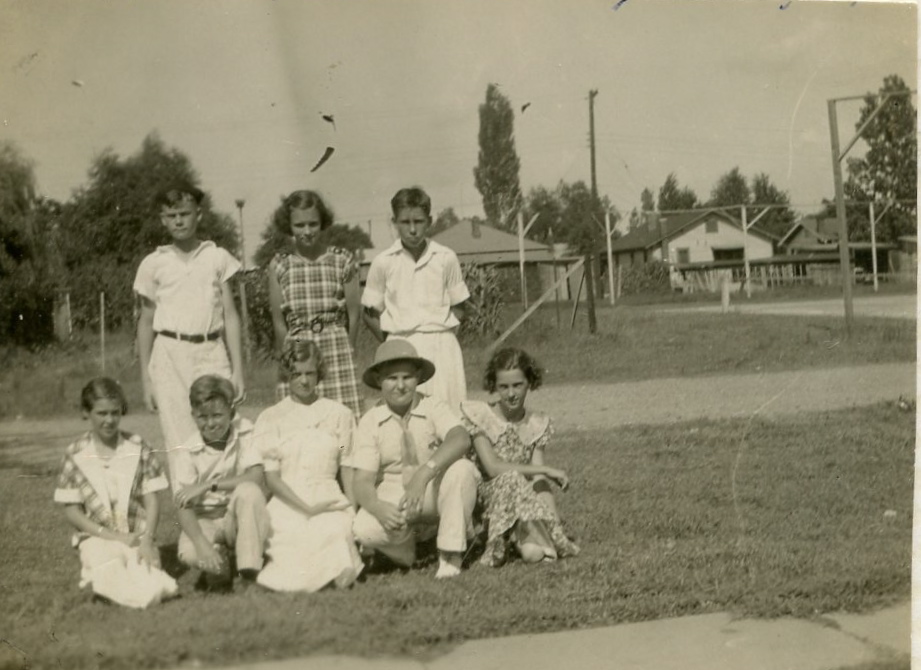
Sara's "Gang" : Front row, Elizabeth Hale, Harold Hemmer, Mary Hayes Crow, Spot Pettey, Lena White Miller; Back Row: James Millard Pierce, Sara, Billy Woodell

“My close friends that year [1932-33] were Mary Charlotte Clarke, who is still a very close friend, Elizabeth Ann Colvard and Mary Hayes Crow. We played together, and went to each other’s houses, and skated together. Elizabeth Ann’s father, Mr. Colvard, had a bakery, and we liked to go there to get butter cookies after school or down to the Greenwood Grocery where Mr. Clarke worked to get candy. Mama would never let us have much company at home because she would remind us that it was not our house and that we might disturb Big and Uncle Roy. Of course, there were so many of us that there really wasn’t much room for anyone else.

Sara, Mary Hayes Crow, Mary Charlotte Clarke, Billy Woodell, Harold Hemmer, James Millard Pierce, Elizabeth Ann Colvard, Lena White Miller, Elizabeth Hale. Spot must have been the photographer.

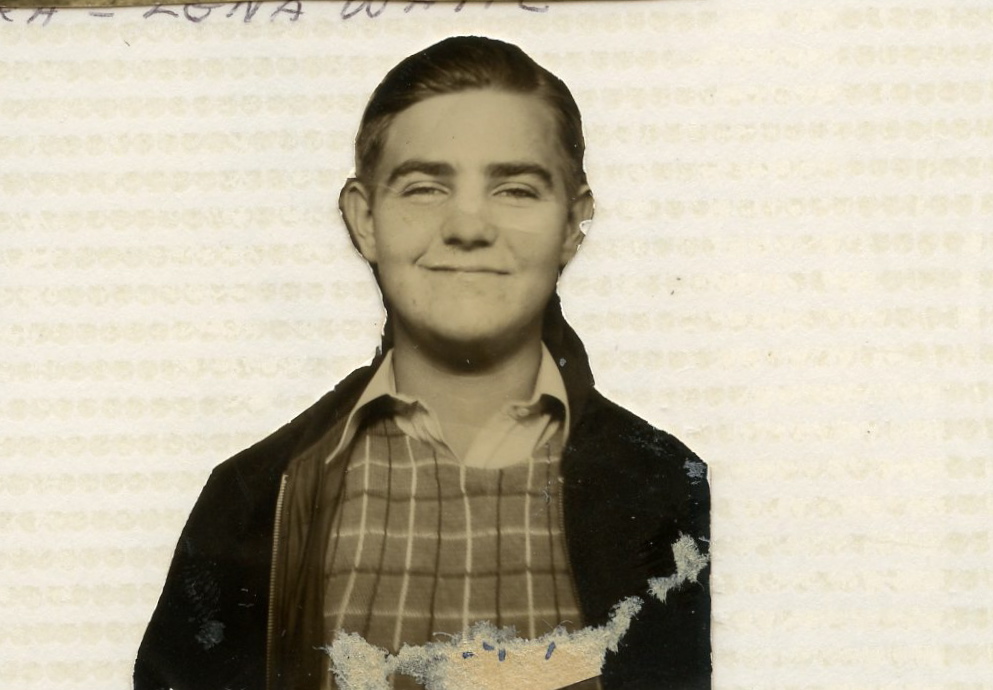
“Spot [Pettey] asked me to go to the picture show one Saturday. His mother came by and picked me up. When I got home I had a high fever and was coming down with the flu. All of the older ones teased me and said my first date had given me fever.

Spot Pettey

They would tease me about everything. Mama always said it was because I was good natured, but I wasn’t at all sure that was it. It was not always easy being in the middle with four older and three younger.

“I remember Mama called Barrett’s Drugstore and ordered a jigsaw puzzle for me when she found out I was sick. They had just come out in Greenwood, and, like the yoyos, everyone was buying them. They started having jigsaw parties. They would have several card tables set up with a puzzle on each table, and the group that finished theirs first won the prize.”

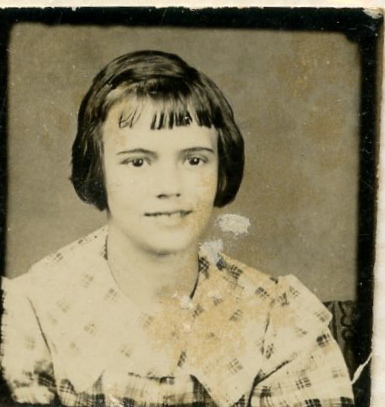
Sara in 1934, age 13

Sara’s life had changed dramatically in the early ’30s, as had her entire family’s, and times were not easy for anyone at 115 East Washington. But she was a resilient young lady and she found support and encouragement (along with a lot of normal sibling hassling) in the company of friends. These photos are from a marvelous small set of snapshots, probably taken over one weekend when one of the “gang” showed up with daddy’s camera. They capture a youthful camaraderie and hopefulness that is charming and, for those who loved Sara, reassuring. Sixty or seventy years later, she could still tell you where each of these “kids” was or when they had moved on to another realm, and she stayed in touch with as many as possible. Wouldn’t we all love to have a friend like that?

Posted in Uncategorized | 3 Comments

Never the Same Again

Old Greenwood Junior High School

“We had a Negro woman named Irma who helped with the cleaning, ironing, etc. Some days she would stand at that ironing board all day long. She made $3.00 a week, which was the average being made by maids at that time. Some years later she, like so many of the blacks, moved to Indianapolis. They went north to try to get better wages but many came back because they were not happy up there.

“There were two sixth grade rooms, one in the Davis School building, and the other in the Junior High building. The one in the Junior High was very crowded but they managed to squeeze me in because that’s where my friends were. Everyone was so nice to me, and I just knew I was going to be happy again. They had a Who’s Who contest a few days after I arrived and voted me the smartest girl in the class. (They were probably just being nice, but I was flattered.)

“After exactly one week the principal, Mrs. Emma B. Stinson, came in one day and called me out of the room. She said that the room was too crowded and that I would have to be moved over to Davis School. It turned out that Rebecca Gary, who lived at Money, was going to start school in Greenwood and Mrs. Roe, who was on the school board, was a close friend of the Gary family. Rebecca wanted to be in that room too because Lora D. Roe, her friend, was in there, and Mrs. Roe decided that since they couldn’t put us both in there, they would just move me, along with a boy who had been in the room all year but who lived in Money, over to Davis. J.D. Garrick, the boy, ran off down the railroad tracks crying, and I sat in Mrs. Stinson’s office crying. She called Big and told her to come see about me, and I heard her tell Big that I was just fine and was going to be happy. I never did like her after that, and I was off to a bad start.

Davis School

“Mrs. Blalock, the sixth grade teacher at Davis, was very sweet and kept all of the children except me after school to ask them to be especially nice to me since my Daddy had just died and I was unhappy about being moved from the other class. They were nice, and I soon made some good friends in that room, but since the two classes did not even play together at recess I was never as close to my old friends.

“I remember that first Christmas how sad it was without Daddy. Mama was still not over the shock of his death, and somehow it seemed I had to grow up before I was ready to. There would never again be the big Christmas mornings we had known with Daddy bringing in fireworks and sharing all the fun with us. Mama tried to make things a little like they had been by whipping up an eggnog, but that wasn’t the same either without Daddy there to help. She always made divinity by Mrs. Ashcraft’s recipe in the Earnest Workers Cookbook and tinted it pink and green. She poured it into a huge china platter. She and Big made fruitcake. We each got a few gifts, but it was just not the same, and I realized then that life never would be the same again.”

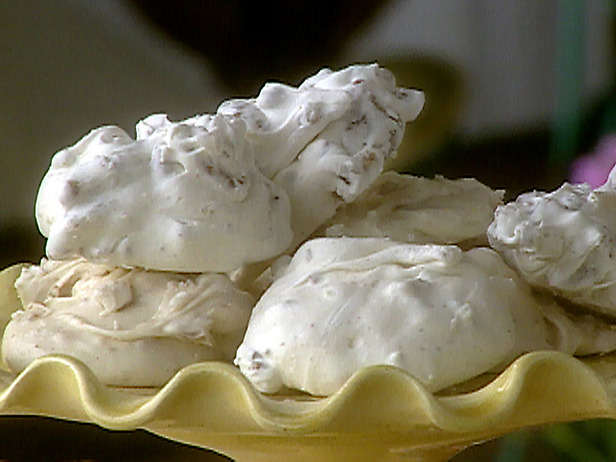
Paula Deen's Divinity, which probably doesn't compare to Mrs. Ashcraft's.

Cruelty among children is just part of growing up. Cruelty inflicted by adults is inexcusable, and this unnecessary incident at Davis School was egregious in every sense of the word. Sara despised bullies, no matter their station or their age, and she had a heart for the broken-hearted, especially little ones. I would like to reach back through the years and tie Mrs. Stinson, Mrs. Roe and Mrs. Gary into one large knot of infamy and shame. One has to hope that they later turned into human beings, but I doubt it.

And poor J.D. Garrick? Where did he run to that day? It couldn’t have been home, as he lived in Money. Apparently, he wound up back at Davis School, for his photo appears in the 1939 Deltonian as a senior. He worked on the Bulldog Broadcast, which Sara edited, so they must have stayed friends. J.D. served in the Navy during World War II and later lived in Grenada, dying there in 1997. May he have avoided mean girls and foolish parents for the rest of his long life.

Joseph Daniel Garrick

Posted in Uncategorized | Leave a comment

Big and Uncle Roy

Big and Uncle Roy in their younger days; Elks Club in the background?

“Big (Olive West Stott) was five years older than Mama. She had been the first member of the family to leave Holmes County when she came to Greenwood to go into nurses’ training. The hospital then was in a big old sprawling house on River Road, and she was the second person to graduate from Nursing School in 1911. There were four in her class. She could tell lots of stories about her early days of nursing and how they would go into the homes to nurse and be on duty 24 hours a day during the typhoid fever epidemics. At the hospital they worked in twelve hour shifts, receiving $10 a month. They furnished their own uniforms and often were sent into private homes to nurse, receiving $3 a day.

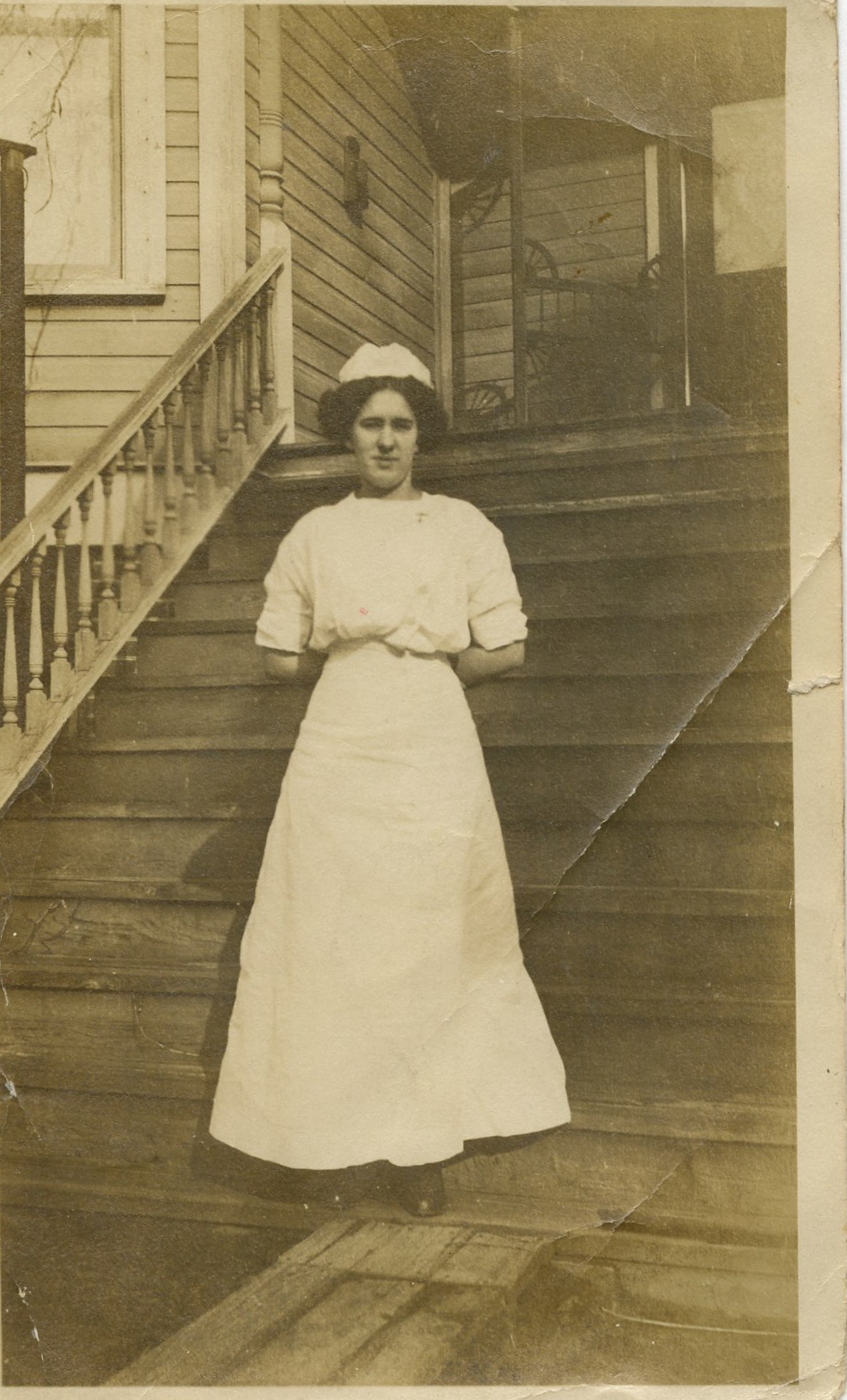
Big in her nurses' training uniform, circa 1911, taken on front steps of old Kings Daughters Hospital

“She married Roy Stott, a country boy from Tennessee, who had come to Greenwood to work as a lineman for the telephone company in 1904. They had three children: Rena West (Rawa), Roy, Jr. (Buddy) and John Anderson.

Roy Stott and Roy Stott, Jr. (Buddy), circa 1921

“Uncle Roy was one of the kindest men I ever knew. He could see some good in everyone, and one of his favorite expressions was ‘Give the poor fellow a chance.’ He went to work for the Greenwood Light and Water Plant in 1906 and after a few years was made manager of the plant. He did not have a lot of education but must have had a really keen mind. He was especially good with figures and dedicated to keeping the rates low and saving the city money. He would go around turning lights off in the house because he did not believe in wasting electricity. He never drank or smoked or said a bad word, and his favorite pastime was sitting in his huge old leather chair by the radio, reading mystery magazines. He also liked country music when it wasn’t popular to like country music. After he retired, he and Big would walk to the library and come home with a grocery sack full of books which he spent his time reading. He was shy and quiet and he had a heart of gold.”

Big and Uncle Roy in front yard of 115 East Washington, 1944.

The picture just above is a treasure, as it shows the Stott house in its full glory, surrounded by trees and Big’s flowers and shrubbery, even with a yard swing. As we move on through Sara’s memoirs, those of you who know this lovely brick home only as a law office, stranded alone in a sea of concrete and asphalt caddy-corner to the hideous 1960s Federal Building, will find it filled with life and laughter and some of the most interesting people to ever live in Greenwood. I knew it first as my grandmother’s home, although of course she was just a “temporary” guest. She had been there for 22 years when I came along. My favorite memories are of sitting in Uncle Roy’s chair, with the doilies on the arms, and the front porch glider hidden behind a wall of vines. Big and Uncle Roy have been gone for so long now, as have all their children, but it makes me happy every time I cross the “new” bridge (which should have been named the Roy Stott Bridge, but that’s a tale for another day) and see the dark bricks of the old house down Walthall. And if it ever goes up for sale, we’re going to have to call an emergency cousins’ conclave to be sure it’s in good hands. Too many memories to take a chance.

Ed. note: Greenwood’ first “hospital” was a house on West Washington street that was designated a “cottage hospital” with a few beds and limited medical staff in the very early 1900s. The Kings’s Daughters Circle, a women’s group, petitioned the city for $7000 to buy the house pictured above in 1908, and it was converted into the first true Greenwood hospital. By 1917, the community was ready for a state-of-the-art dedicated medical facility, and the three-story brick building just down River Road was completed in April of that year. As mentioned earlier in this blog, Jessie Evans was the first mother to give birth there when Tiny was born, and Sara was one of the last when Cathy was born in 1951. The old house hospital was torn down in the 1960s (?) and apartments now occupy the site. All that remains of the 1917 hospital are the basement of the north wing and the intact south wing, both of which are in very poor condition.

Posted in Uncategorized | Leave a comment

The Saints of East Washington

The Stott House at 115 East Washington Street (now the Calhoun Law Office) with Tricia on the sidewalk

“Mama did not know what she was going to do and did not want to stay on in Jackson with no family there. Big and Uncle Roy, who are bound to have been saints, suggested we just all move in with them in the house at 115 East Washington Street in Greenwood. They had completely remodeled the house in 1930, and it was a nice big brick house, but I cannot imagine anyone taking in Mama, five children and Bama in addition to their own family of five.

“On November 11 we headed back to Greenwood, sold the Nash automobile which Amos had driven to Greenwood and moved in with the relatives. Tiny and Mary were very unhappy about having to leave their friends in Jackson. Being just eleven, I hated to say goodbye to mine but was looking forward to getting back with Spot and Joyce and my other friends that I had had before moving to Jackson.

“Rawa gave up her bedroom downstairs, and Mama, Mary, Son, Tricia and I all moved into that front bedroom. Buddy gave up his room in the back of the house, and Bama moved in there. He took one bedroom upstairs, and Tiny and Rawa the other. John slept in the room with Big and Uncle Roy. We had one bath upstairs and one down, and it wasn’t always easy to find one empty.

“Mama kept a lot of her furniture so every room was crowded, and the two attics were full. I am sure this was not meant to be a permanent solution, but it turned out to be, and we stayed on until each of us married and moved out. Then Mama stayed on in the front room until Claude died and Tricia built her duplex. [Ed.note: 1960]

“I think Mama was always insecure and frightened that she could not make it on her own with all of us to take care of. Not only were our lives changed after Daddy’s death, but theirs were too. Despite being crowded, we got along amazingly well, and Big and Uncle Roy were very good to us. The noon meal was the only one we all shared, but there was certainly a lot of good food consumed on Mama’s big dining room table. She and Bama and Big all did the cooking.”

The Stotts

If you ever get the chance to stroll through the Calhoun Law Office on East Washington Street, try to imagine the scene in 1932 and for several years afterwards. Twelve people: Four teenagers (Rawa, Buddy, Tiny and Mamie), one preteen (Sara), two little boys (John and Son), one baby (Tricia), three adults and one granny. Five bedrooms. Two bathrooms. One kitchen, one dining room, one living room, one large screened porch. A small corner lot, right downtown. Good heavens, how did they manage? And what must the conversation have been like at the Stott house as Big and Uncle Roy not only absorbed the enormity of Jessie’s loss but the scarcity of her options? She had not worked since her premarital secretarial days, and she didn’t even drive any longer. Five children to support, plus Bama. And as if that wasn’t enough to give any rational soul pause, it was 1932, the very deepest pit of the Depression years. There were no jobs, even for someone loaded with skill and the flexibility to go out and promote themselves. And Jessie had neither. So the decision was made, and realistically, it was the only possible solution, but it still boggles the mind that these kind people opened their doors for an influx of family that was intended to be temporary. “Temporary” lasted 28 years.

Tomorrow’s blog will diverge to Sara’s description of Olive and Roy Stott, who will always be “Big” and “Uncle Roy.” They stepped forward when the chips were down and pulled Jessie and her children off the cliff, and they are legendary in this family. The stories which Sara will relate through the next few years are often funny and could only have happened in a house filled to overflowing with love and acceptance and more than a small dose of quirkiness.

Jessie’s favorite saying, as I recall it, was “It’s always darkest before the dawn.” As a child, I had no clue just how dark her predawn days had been, and I can never fully appreciate what she must have gone through in 1932. But I also don’t remember her complaining, even once, about her lot in life. She was a survivor, in every way, who found a lot of joy after those hours passed.

Posted in Uncategorized | Leave a comment

“So Sweet and Kind and Good”

“In September I entered the sixth grade at Whitfield School. I was especially happy with school that fall. Our teacher, Miss Carrie Trussell, had asked me to be the one to go out in the hall and answer the phone when it rang, which I thought was a special honor. I was making good grades, enjoying my friends, and loving to get home in the afternoons to see Son and Tricia.

“I was invited to a Halloween party at Cecil’s house and was looking forward to that. Then early on the morning of the 31st of October the doorbell rang. A friend of Daddy’s had come to tell us that our Daddy was dead. He had been gone that weekend.

“Our whole world crumbled. Mama was left with five children ranging in age from five months to fourteen and her mother. We were devastated and could not imagine life without Daddy, who had always been so sweet and kind and good. He always kissed us when he left the house and hugged us when he got home. I only remember one time when he scolded me. We were at the supper table, and I cried because he had never really fussed at me before.

“The Stotts came down and helped Mama make funeral arrangements. Only Mama and Tiny went to the funeral, which was held at Wilson Funeral Home in Greenwood, and the rest of us stayed home with Bama. A lot of people came to the house, and all our little friends were sweet to us. I remember three little boys in my class sending me a bouquet of flowers they had picked. Miss Trussell offered to pick me up and take me to school every morning.

“I still could not comprehend that he would never be coming home again. When they brought his suitcase home, I remember picking up one of his shirts and holding it close because it had the familiar smell of his cigarettes. An empty candy box was sitting on the table, the last box he brought home when he returned from a trip, and I picked it up and told Big that was the last one he’d ever bring, and then I started crying. He had never gone anywhere that he didn’t bring us either candy or gifts.”

Howard Evans was only 38 years old when he died on that Halloween weekend, 1932. Some may think that he leaves Sara’s story at this point, but that would be a wildly inaccurate assumption. His absence and her fond memories affected the rest of Sara’s long and generally happy life, and just talking about him could bring on tears, decades later. Theirs must have been a glorious 2009 reunion, as she tells him of his eight grandchildren, eighteen great-grandchildren, and eight great-great grandchildren, with yet another now on the way. His short life imprinted a legacy of gentleness, dignity and kindness on all five of his children and my generation reaped the blessings left by this much-loved man. 

Posted in Uncategorized | 2 Comments

Summer of ’32

Fairgoers flock to see Sara's and Mamie's quilts

“Mama had to stay in bed for awhile after she came home, and a black woman named Ruth helped out around the house. We stayed at home a lot that summer, had a lot of tea parties, and when she was able, Mama made homemade ice cream in the afternoon. We had attended Bible School at Calvary Baptist Church, and they had let us make a quilt square, a Sunbonnet Baby in my group and an Overall Boy in Mary’s, so she and I spent a lot of time using the scraps left over from our dresses to make quilt squares. Mama showed us how to put them together, and that fall we entered them in the exhibits at the State Fair. Mine won a blue ribbon. Mary was competing in an older class so she did not win a ribbon.”

A Sunbonnet Sue design from the 1930s

Somehow it just makes me sad that Mamie didn’t win a ribbon. She was the most artistic of the three oldest Evans children, the one who crafted incredibly intricate Christmas packages and decorations and hand-painted Christmas cards each year. She could sketch off any subject you asked her to draw, without blinking an eye, just to delight you. Tiny was a talented artist as well, especially in her later years, and Sara was remarkably creative in many, many ways, but it was Mamie who strived so hard for perfection. And usually achieved it.

As the Summer of 1932 drew to a close, and Fall rolled around, the sheltered, almost fairy-tale life of the Evans children was soon to change. And maybe a blue ribbon in a keepsake box would have helped just a little.

Posted in Uncategorized | Leave a comment